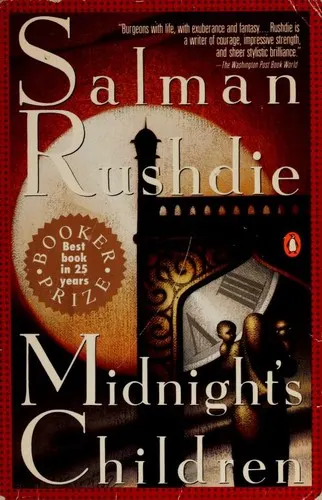
Books like Midnight's Children
Reading Midnight’s Children is like being buttonholed by a dazzling, untrustworthy storyteller while a whole country crowds into his sentences: jokes breed digressions, bodies become historical documents, and catastrophe arrives wearing carnival colors. These novels offer that same exhilarating sense that storytelling can contain more history—and more life—than sober realism admits.
If you liked Midnight's Children, you’ll love these
Not lookalikes — kindred books. Each one shares something essential with Midnight's Children, and we tell you exactly what.
Oskar Matzerath, writing from an institution, claims that at three years old he deliberately stopped growing. Armed with a tin drum and a voice that can shatter glass, he narrates the rise and ruin of Nazi Germany from an angle at once childish, grotesque and disturbingly knowing.
Saleem Sinai’s slippery self-mythologizing owes a genuine debt to Oskar. Both narrators turn bodily peculiarity into a way of resisting official history, mixing confession, vaudeville and accusation until truth becomes inseparable from performance. But Grass’s masterpiece has its own harsher music: black comedy scraping against collective guilt. A landmark of postwar literature by a Nobel laureate, it is the essential next book for anyone enthralled by the audacity of Saleem’s voice.
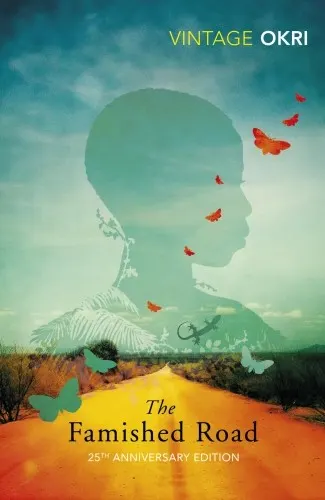
Azaro is an abiku, a spirit child repeatedly tempted away from the difficult world of the living. Through his eyes, an impoverished Nigerian neighborhood becomes porous: political thugs, exhausted parents, shape-shifting spirits and impossible landscapes all occupy the same vivid plane.
What connects it to Midnight’s Children is not merely the supernatural, but the conviction that myth may describe political reality more truthfully than documentary prose. Okri’s Booker Prize–winning novel is dreamier and more incantatory than Rushdie’s, filled with scenes whose colors and textures seem almost physically present. Its admirers return to it because its strangeness never feels decorative; wonder, hunger and violence are bound together in a vision no conventional realist novel could hold.
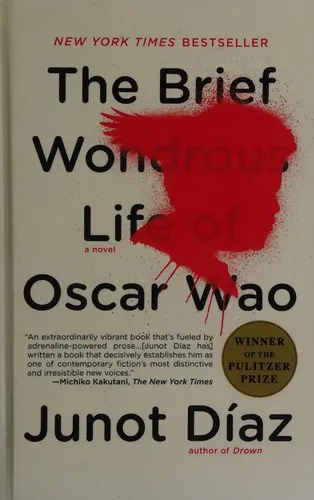
Oscar de León is an overweight Dominican American romantic, science-fiction obsessive and would-be novelist, growing up under the long shadow of his family’s past. His story is told largely by Yunior, whose swaggering, code-switching narration keeps revealing fractures beneath its confidence, while footnotes open trapdoors into the history of Trujillo’s dictatorship.
Like Rushdie, Díaz makes public catastrophe invade family legend, desire and even the vocabulary of everyday speech. English, Spanish, scholarship, gossip, comics and fantasy collide without asking permission; the result is both very funny and quietly devastating. Winner of the Pulitzer Prize and embraced with unusual devotion by readers, Oscar Wao proved that historical fiction could sound like no history lesson ever written. Missing it means missing one of the most infectious narrative voices to follow in Rushdie’s wake.