Author
Books like Umberto Eco
8 books we recommend to Umberto Eco readers, drawn from The Name of the Rose, Foucault's Pendulum and Baudolino — each with the reason why.
If you loved The Name of the Rose
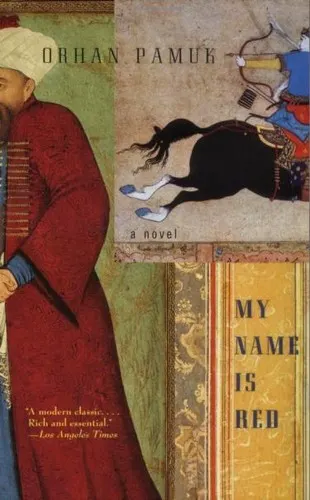
In sixteenth-century Istanbul, an artist’s death draws painters, apprentices, patrons—and even the dead—into a many-voiced inquiry. As in Eco, the mystery is inseparable from a fierce argument about images, faith, power, and whether a new way of seeing can endanger the soul.
Pamuk makes aesthetic theory feel perilous and intimate: each narrator offers a different angle, and certainty keeps dissolving under scrutiny. Winner of the International Dublin Literary Award and one of the novels central to Pamuk’s Nobel-winning reputation, it has the rare combination of intellectual daring and compulsive readability. If you loved how Eco turned theology and semiotics into suspense, this is essential.
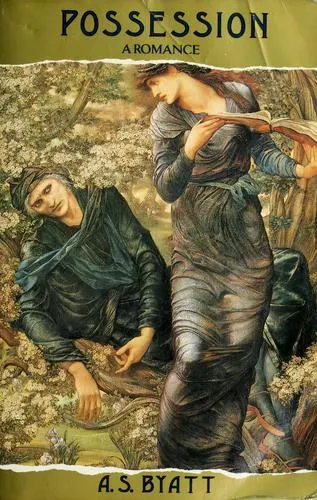
Two modern scholars uncover a hidden connection between celebrated Victorian poets, following clues through letters, diaries, poems, archives, and half-erased histories. The chase is exhilarating because Byatt understands Eco’s great secret: reading closely can be an adventure, and a disputed interpretation can matter as urgently as a locked-room clue.
Yet Possession has its own warmth and abundance. Byatt invents not merely authors but their bodies of work, reproducing competing voices with astonishing conviction while gently skewering academic vanity. The novel won the Booker Prize and remains beloved because its formal brilliance serves genuine emotional discovery. Few books make scholarship feel so romantic—or curiosity so richly rewarded.
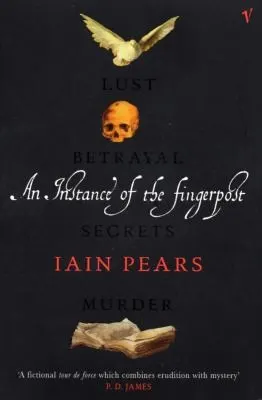
A death in Restoration Oxford is recounted by four witnesses, each confident that he understands what happened. Their accounts do not simply add information; they expose how ambition, religion, politics, memory, and self-interest manufacture seemingly solid truths.
This is the recommendation for readers most captivated by Eco’s suspicion of evidence. Pears surrounds the mystery with the birth pangs of modern science, when experiment competes with inherited authority and every fact requires an interpreter. The result is a large, intricate historical novel whose structure steadily turns the reader into judge, detective, and skeptic. Its devoted reputation rests on that audacity: once all four voices have spoken, you may distrust certainty in an entirely new way.
If you loved Foucault's Pendulum
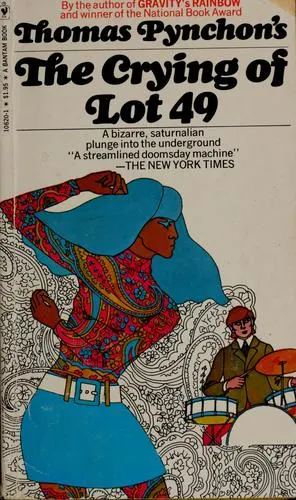
Oedipa Maas begins with an ordinary executor’s errand and encounters signs of a clandestine postal system—or perhaps only signs that can be made to suggest one. Like Eco, Pynchon understands the intoxicating moment when scattered names, symbols, and historical curiosities appear to lock together.
This is the compact, concentrated version of the interpretive vertigo that animates Foucault’s Pendulum. Pynchon is funnier, sadder, and more elusive: every apparent revelation expands uncertainty rather than resolving it. A cult classic and the most approachable entrance to Pynchon’s fiction, it turns reading itself into detective work. Once its muted post horn catches your attention, you will start seeing it everywhere.
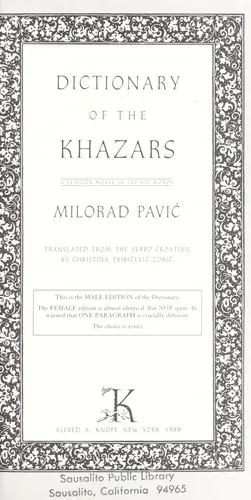
Presented as a lexicon compiled from conflicting Christian, Islamic, and Jewish accounts of a vanished people, Pavić’s novel invites you to roam through entries, compare stories, and construct connections for yourself. Its scholarship is largely imaginary, but rendered with such sensuous precision—dream hunters, poisoned books, lives crossing centuries—that fabrication acquires the authority of myth.
Where Eco depicts editors building a grand design from fragments, Pavić hands the fragments directly to the reader. The result is an unusually intimate trap: interpretation becomes authorship. An international literary sensation after its 1984 publication, this novel has retained devoted readers because no two journeys through it feel quite identical. It is less a book you finish than a strange intellectual object you continue turning over in your mind.
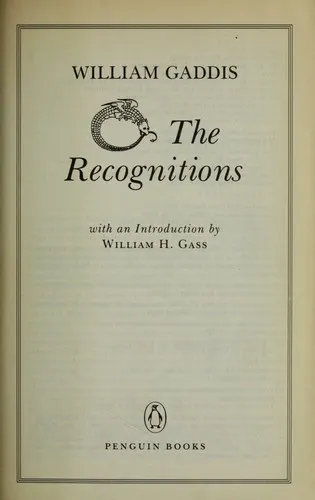
Gaddis’s enormous first novel begins with a failed religious calling and moves into a world of painters, counterfeiters, critics, mystics, and fashionable frauds. Its central obsession is authenticity: how to recognize the genuine article when culture rewards imitation, performance, and persuasive nonsense.
A reader who relished Eco’s learned jokes, theological detours, crowded conversations, and merciless portrait of intellectual vanity will find a formidable feast here. Gaddis makes knowledge dramatic: ideas circulate through parties and studios, are misunderstood, stolen, repeated, and converted into status. Initially neglected, The Recognitions gradually became a fiercely admired landmark of American postwar fiction and an influence on later encyclopedic novelists. It demands attention, but that demand is part of its exhilaration—the novel trains you to see the world’s counterfeits more sharply.
If you loved Baudolino
A young officer crossing the Sierra Morena takes shelter at a deserted inn—and finds himself inside a proliferating maze of cabalists, bandits, ghosts, seducers, and storytellers. Every narrative opens another narrative, until the distinction between testimony, performance, and supernatural event becomes wonderfully precarious.
Like Baudolino, Potocki’s masterpiece treats storytelling as both an intellectual game and a force capable of manufacturing reality. Its vast learning never feels dutiful: theology, folklore, mathematics, and occult lore become props in an endlessly ingenious entertainment. One of European literature’s great rediscovered novels, it offers the rare exhilaration of finding an entire secret library inside a single book.
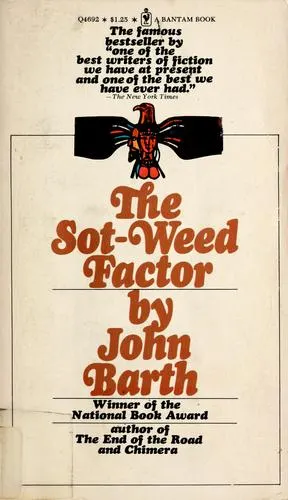
Ebenezer Cooke is a grandiose, spectacularly inexperienced poet who sets out to celebrate colonial Maryland and instead collides with appetites, impostures, forged accounts, and stories too outrageous to dismiss. Barth writes in mock-antique torrents: bawdy, elaborate, argumentative, and mercilessly funny.
The kinship with Baudolino lies not simply in historical comedy but in a shared suspicion that history is what survives the best-told lie. Documents become traps, identities become performances, and lofty ideals are dragged through bodily reality without being rendered meaningless. A landmark of American postmodern fiction, The Sot-Weed Factor is enormous in exactly the rewarding sense: once you surrender to its verbal exuberance, most historical novels seem timid by comparison.