Author
Books like Tove Jansson
10 books we recommend to Tove Jansson readers, drawn from The Summer Book, Finn Family Moomintroll, Fair Play and The True Deceiver — each with the reason why.
If you loved The Summer Book
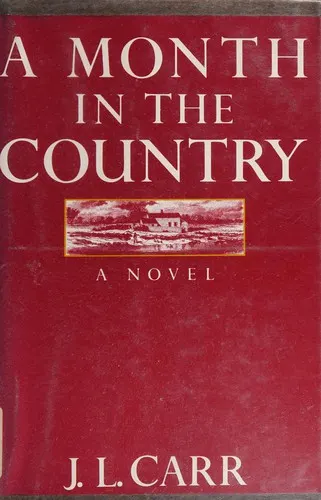
A damaged veteran arrives in a Yorkshire village to uncover a medieval painting hidden beneath whitewash. Carr builds the novel through minute recoveries: a face emerging from plaster, the sound of summer insects, an unexpected kindness, the gradual return of pleasure.
Like Jansson, he understands that grief is most powerful when it is allowed to remain partly unspoken. The book is funny without becoming cozy and tender without softening its awareness that seasons end. Shortlisted for the Booker Prize and cherished far beyond its modest scale, this slender novel has the completeness of a perfect memory. It can be read in an afternoon, but its final ache lasts for years.
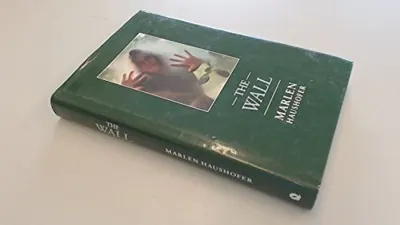
This is the darker, more ferocious choice. While staying at a hunting lodge in the Austrian mountains, a woman discovers an invisible barrier cutting her off from the rest of the world. From there, Haushofer concentrates on the practical substance of existence: animals, weather, food, bodily fatigue and the daily disciplines that keep despair at bay.
A reader who loved the grandmother’s unsentimental competence in The Summer Book will recognize the same respect for action over explanation, and the same refusal to treat nature as either decorative or benevolent. Yet Haushofer pushes that vision toward a haunting extreme, asking what remains of a self when social life falls away. Long a cult novel and now widely recognized as a feminist and ecological classic, The Wall changes the texture of solitude; afterward, even ordinary acts of tending and noticing feel momentous.
If you loved Finn Family Moomintroll
Jones creates the same exhilarating mixture of domestic comfort and magical disorder. Sophie enters a walking castle whose resident wizard is vain, brilliant, unreliable, and impossible not to love; meanwhile, cooking breakfast and cleaning the hearth matter as much as curses and enchantments.
Like Jansson, Jones understands that a household becomes a family by accommodating everyone’s peculiarities. Her comedy is sharper and more argumentative, but beneath it lies the Moomin-like conviction that affection need not make people less strange. The novel inspired a celebrated film, yet devoted readers prize the book’s own sly voice, intricate magic, and gloriously difficult characters.
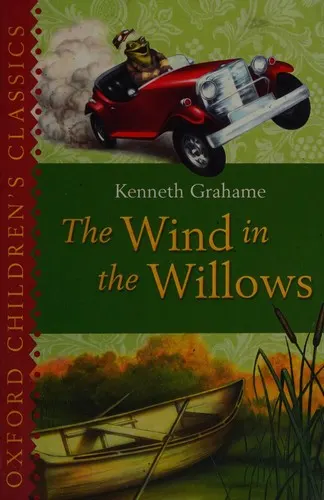
Few novels move so naturally between snug rooms and the dangerous, intoxicating world beyond them. Grahame can make a picnic feel like paradise, then let the landscape deepen into mystery. Mole, Rat, Badger, and the magnificently disastrous Toad possess the same combination of absurdity, vulnerability, and unforced individuality that makes the Moomins feel alive.
Its enduring reputation is not merely nostalgic: the prose can be comic, sensuous, and genuinely numinous, and its central tension—between wandering and returning home—remains powerful. Anyone who loves Moominvalley’s seasonal rhythms and its hospitality toward troublesome adventurers should experience the riverbank that helped define this kind of imaginative refuge.
If you loved Fair Play
A daughter and mother travel together in Japan, visiting galleries, eating small meals, and walking through uncertain weather. Beneath their courteous conversation lies everything they cannot quite ask each other.
Jessica Au shares Jansson’s faith in gesture, silence, and physical detail: a chosen route or remembered object can reveal more than a declaration. The prose is limpid without being emotionally simple, and the novel treats looking at art as part of looking at another person—carefully, imperfectly, with one’s own memories always intervening. Winner of the inaugural Novel Prize, this slender book has acquired devoted readers worldwide. It offers the rare pleasure of a novel whose quietness keeps deepening after it ends.
Offill constructs a marriage from brilliant fragments: jokes, quotations, domestic mishaps, intellectual curiosities, and abrupt flashes of dread. Its narrator once imagined herself becoming an “art monster”; instead, artistic ambition must coexist with teaching, parenting, errands, and the daily maintenance of love.
A Fair Play reader will recognize the unsentimental question underneath it: how can two people share a life without consuming each other’s work or solitude? Offill is sharper-edged and more formally restless than Jansson, but she has the same gift for making a tiny household exchange carry an entire emotional history. Now a touchstone for fragmentary novels about marriage, Dept. of Speculation is funny, piercing, and so compressed that nearly every line feels necessary.
Aaliya is a seventy-two-year-old Beirut bookseller who secretly translates one book into Arabic every year, then stores the manuscript away. No audience waits for her work; its value lies in the discipline, pleasure, and private order it gives her life.
That premise speaks directly to Fair Play’s deepest concern: making art not as performance or career strategy, but as a way of living truthfully. Aaliya is prickly, erudite, dryly funny, and fiercely protective of her independence—an older woman granted the full range of appetite, vanity, judgment, and doubt. Alameddine’s National Book Award finalist is more expansive than Jansson’s novel, yet equally resistant to sentimental ideas about aging and female fulfillment. Its portrait of a life built through books is unforgettable.
If you loved The True Deceiver
A writer hires Emerence, an imperious housekeeper who insists on choosing whom she will serve. Their relationship becomes an intricate negotiation over work, privacy, gratitude, and authority: every kindness incurs a debt, and every attempt at intimacy risks becoming trespass.
Like Jansson, Szabó sets a practical, fiercely self-governing woman against an artist whose apparent openness conceals its own vanity. The prose is lucid, but the moral balance keeps shifting beneath it. Szabó’s internationally beloved masterpiece makes care feel as dangerous as deception; anyone haunted by Katri and Anna’s struggle should not miss Emerence.
Irene Redfield’s reunion with Clare Kendry—a childhood acquaintance living as a white woman—begins a relationship charged with attraction, suspicion, envy, and fear. Larsen never lets Irene, or the reader, occupy a secure vantage point: observation may be projection, solicitude may be possession, and respectable self-command may conceal the deepest dishonesty.
This Harlem Renaissance classic has Jansson’s extraordinary compression and her talent for making two women’s mutual fascination into a whole moral climate. Its polished sentences invite confidence while quietly undermining it. Few novels so short leave so much unresolved and alive.
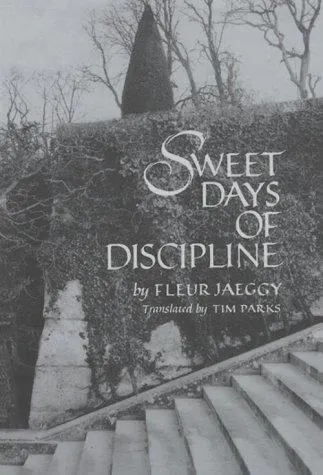
At a Swiss boarding school, an unnamed girl becomes captivated by the brilliant, self-contained Frédérique. Jaeggy writes attachment without sentimentality: admiration shades into rivalry, intimacy into surveillance, and the school’s severe routines acquire the clarity of a dream or fable.
The kinship with Jansson lies above all in the temperature of the prose—cold, clean, and startlingly alive—and in the refusal to explain away difficult women. Winner of Italy’s Premio Bagutta and now a cult modern classic, this slender novel has readers devoted to its strange perfection. It feels less written than cut from ice.