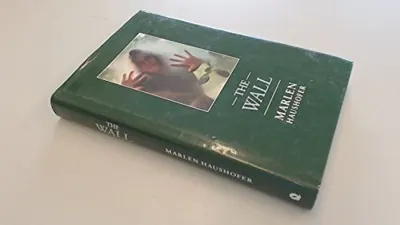
Books like The Wall
After Haushofer’s final page, one longs for more fiction in which solitude sharpens rather than empties the world—where daily labor, landscape, animals, and a woman’s unadorned consciousness acquire immense moral weight.
If you liked The Wall, you’ll love these
Not lookalikes — kindred books. Each one shares something essential with The Wall, and we tell you exactly what.

A woman returns to a remote Quebec island to search for her missing father, accompanied by three people whose chatter and assumptions increasingly seem like artifacts of a damaged civilization. Like Haushofer, Atwood strips away social language until buried fear, anger, and instinct become impossible to disguise.
This is not simply another wilderness novel. Its real kinship with The Wall lies in its distrust of human mastery: nature is neither benevolent refuge nor symbolic scenery, and the narrator’s altered attention becomes both frightening and clarifying. Surfacing helped establish Atwood’s reputation as a major feminist and ecological novelist; its lean, hallucinatory intensity remains unmatched. Readers haunted by Haushofer’s quiet dismantling of the civilized self should not miss its fiercer counterpart.
After separating from her husband, a young mother moves with her daughter into a Tokyo apartment flooded with light. Across twelve compact chapters, one year of childcare, exhaustion, precarious work, anger, and brief freedom becomes a complete existential landscape.
Tsushima shares Haushofer’s genius for making repetitive female labor visible without romanticizing it. Her protagonist can be tender, selfish, watchful, and overwhelmed—never reduced to either victim or heroine. The luminous apartment feels almost like another consciousness, changing with weather and season as the woman’s life contracts and then subtly rearranges itself. Long revered in Japan, Tsushima has gained an equally devoted international readership; this novel shows why in fewer than two hundred piercing pages.
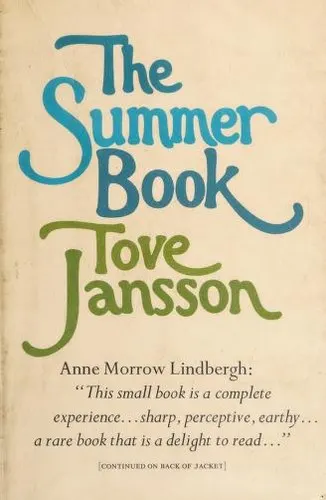
On a small Finnish island, an elderly artist and her six-year-old granddaughter talk, quarrel, explore, invent stories, and study the weather. Jansson’s short chapters appear gentle, but they contain the same unsentimental attentiveness that makes The Wall so powerful: every plant, animal, storm, and household task is granted its own stubborn reality.
What begins as an island summer gradually reveals a profound book about mortality, independence, and the limits of companionship. Jansson never forces tenderness; affection emerges through impatience, silence, practical care, and the freedom to leave another person alone. The Summer Book has become a beloved modern classic because it is endlessly rereadable yet never cloying—a quieter companion to Haushofer, and one of the rare novels equally alert to human intimacy and the world that exists without us.