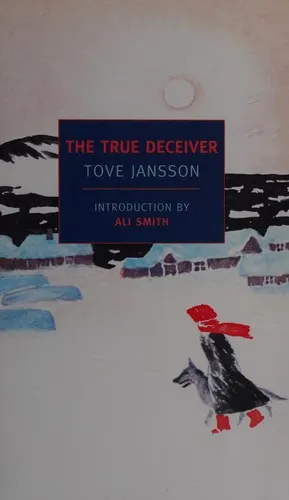
Books like The True Deceiver
After Jansson’s wintry contest of wills, one craves more fiction that is spare, psychologically exact, and unwilling to decide where honesty ends and cruelty begins.
If you liked The True Deceiver, you’ll love these
Not lookalikes — kindred books. Each one shares something essential with The True Deceiver, and we tell you exactly what.
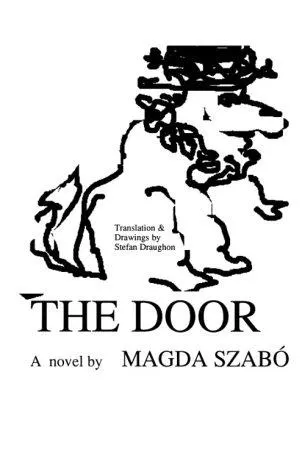
A writer hires Emerence, an imperious housekeeper who insists on choosing whom she will serve. Their relationship becomes an intricate negotiation over work, privacy, gratitude, and authority: every kindness incurs a debt, and every attempt at intimacy risks becoming trespass.
Like Jansson, Szabó sets a practical, fiercely self-governing woman against an artist whose apparent openness conceals its own vanity. The prose is lucid, but the moral balance keeps shifting beneath it. Szabó’s internationally beloved masterpiece makes care feel as dangerous as deception; anyone haunted by Katri and Anna’s struggle should not miss Emerence.
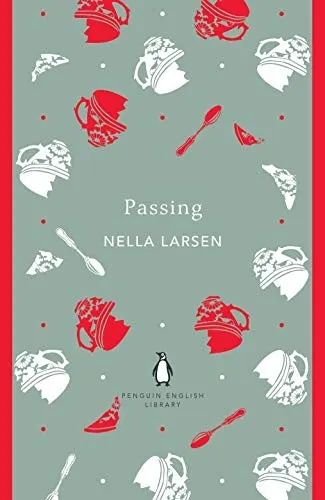
Irene Redfield’s reunion with Clare Kendry—a childhood acquaintance living as a white woman—begins a relationship charged with attraction, suspicion, envy, and fear. Larsen never lets Irene, or the reader, occupy a secure vantage point: observation may be projection, solicitude may be possession, and respectable self-command may conceal the deepest dishonesty.
This Harlem Renaissance classic has Jansson’s extraordinary compression and her talent for making two women’s mutual fascination into a whole moral climate. Its polished sentences invite confidence while quietly undermining it. Few novels so short leave so much unresolved and alive.
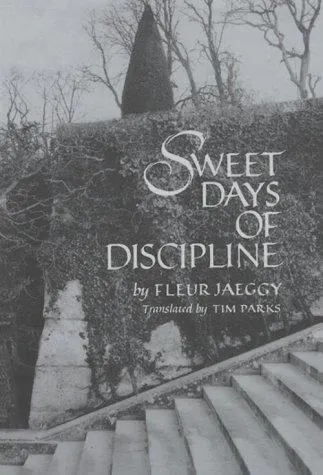
At a Swiss boarding school, an unnamed girl becomes captivated by the brilliant, self-contained Frédérique. Jaeggy writes attachment without sentimentality: admiration shades into rivalry, intimacy into surveillance, and the school’s severe routines acquire the clarity of a dream or fable.
The kinship with Jansson lies above all in the temperature of the prose—cold, clean, and startlingly alive—and in the refusal to explain away difficult women. Winner of Italy’s Premio Bagutta and now a cult modern classic, this slender novel has readers devoted to its strange perfection. It feels less written than cut from ice.