Books like Howl's Moving Castle
The devoted Howl reader likes fairy tales with their collars loosened: impossible houses, sharp-witted women, vain magicians, domestic squabbles, and comedy that never cancels genuine peril or feeling. These three novels share that rare mixture of enchantment, irreverence, and emotional precision.
If you liked Howl's Moving Castle, you’ll love these
Not lookalikes — kindred books. Each one shares something essential with Howl's Moving Castle, and we tell you exactly what.
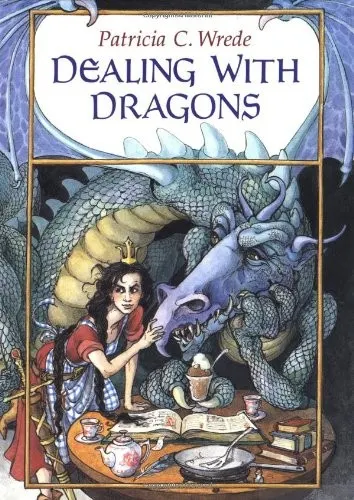
Princess Cimorene has no patience for embroidery, etiquette, or being rescued, so she volunteers to become a dragon’s princess instead. What follows has the same bracing pleasure as watching Sophie refuse to behave like a cursed damsel: Cimorene meets fairy-tale conventions as practical problems, solvable through nerve, research, and competent housekeeping.
Wrede’s beloved Enchanted Forest novel is brisk, warm, and extremely funny, especially when witches, wizards, and dragons argue over the proper procedures for magic. Beneath the parody lies Howl’s most appealing conviction: character matters more than destiny, and resourcefulness is its own kind of enchantment.
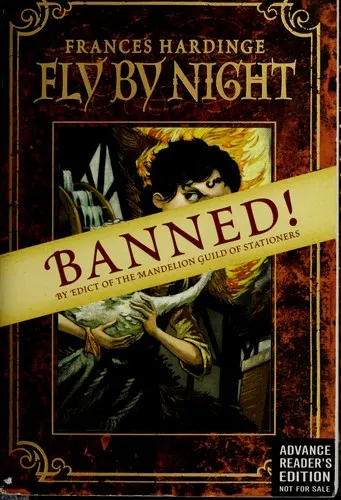
Mosca Mye, a ferociously intelligent girl with an equally ferocious goose, escapes her narrow life in the company of Eponymous Clent, a silver-tongued confidence man whose talents greatly exceed his reliability. Their prickly alliance should delight anyone who loves Sophie’s exasperated dealings with Howl: affection must find its way through vanity, suspicion, argument, and spectacularly questionable decisions.
Hardinge’s language crackles with grotesque jokes and startling images, while her world operates according to elaborate rules that feel both absurd and utterly solid. Winner of the Branford Boase Award, Fly by Night has the exhilarating density of a classic children’s fantasy and the political cunning of an adult novel. Mosca’s voice alone makes it indispensable.
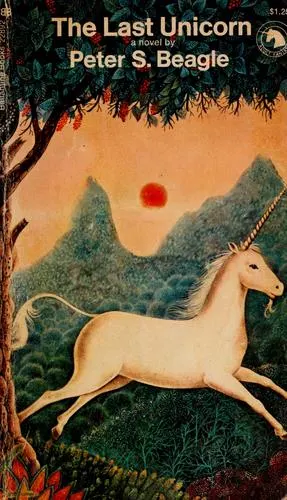
Beagle’s modern classic understands, as Jones does, that fairy tales become more powerful when their characters are allowed to be vain, tired, disappointed, funny, and hungry. A unicorn leaves her forest to discover what has happened to the others of her kind; she soon encounters Schmendrick, a magician whose grand claims sit painfully beside his unreliable abilities, and Molly Grue, one of fantasy’s great clear-eyed, unsentimental women.
The prose moves effortlessly between comedy and piercing sorrow, often within a single exchange. Like Howl’s Moving Castle, it knows that transformation exposes the self rather than replacing it, and that love is stranger and less tidy than the stories promise. Its enduringly devoted readership is deserved: few fantasy novels are so quotable, so tender, or so quietly devastating.