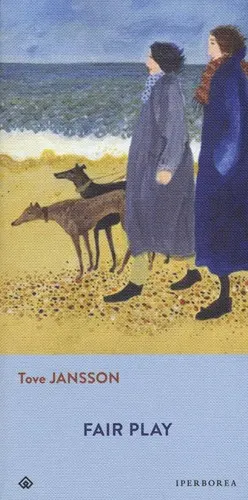
Books like Fair Play
Room to breathe. Fair Play understands that love thrives not through perfect fusion but through attention, candor, shared work, and the freedom to remain separate. These novels preserve that spaciousness in three very different ways.
If you liked Fair Play, you’ll love these
Not lookalikes — kindred books. Each one shares something essential with Fair Play, and we tell you exactly what.
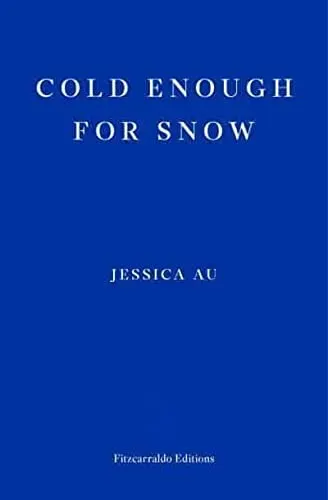
A daughter and mother travel together in Japan, visiting galleries, eating small meals, and walking through uncertain weather. Beneath their courteous conversation lies everything they cannot quite ask each other.
Jessica Au shares Jansson’s faith in gesture, silence, and physical detail: a chosen route or remembered object can reveal more than a declaration. The prose is limpid without being emotionally simple, and the novel treats looking at art as part of looking at another person—carefully, imperfectly, with one’s own memories always intervening. Winner of the inaugural Novel Prize, this slender book has acquired devoted readers worldwide. It offers the rare pleasure of a novel whose quietness keeps deepening after it ends.
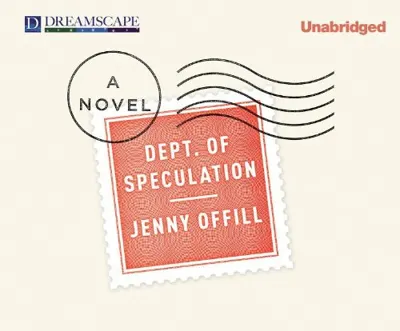
Offill constructs a marriage from brilliant fragments: jokes, quotations, domestic mishaps, intellectual curiosities, and abrupt flashes of dread. Its narrator once imagined herself becoming an “art monster”; instead, artistic ambition must coexist with teaching, parenting, errands, and the daily maintenance of love.
A Fair Play reader will recognize the unsentimental question underneath it: how can two people share a life without consuming each other’s work or solitude? Offill is sharper-edged and more formally restless than Jansson, but she has the same gift for making a tiny household exchange carry an entire emotional history. Now a touchstone for fragmentary novels about marriage, Dept. of Speculation is funny, piercing, and so compressed that nearly every line feels necessary.
Aaliya is a seventy-two-year-old Beirut bookseller who secretly translates one book into Arabic every year, then stores the manuscript away. No audience waits for her work; its value lies in the discipline, pleasure, and private order it gives her life.
That premise speaks directly to Fair Play’s deepest concern: making art not as performance or career strategy, but as a way of living truthfully. Aaliya is prickly, erudite, dryly funny, and fiercely protective of her independence—an older woman granted the full range of appetite, vanity, judgment, and doubt. Alameddine’s National Book Award finalist is more expansive than Jansson’s novel, yet equally resistant to sentimental ideas about aging and female fulfillment. Its portrait of a life built through books is unforgettable.