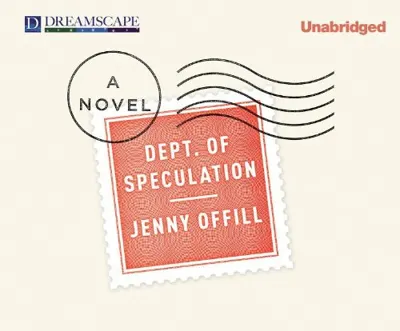
Books like Dept. of Speculation
Dry wit flickering over panic; domestic life rendered as a field of tiny absurdities, private betrayals, and startling flashes of thought.
If you liked Dept. of Speculation, you’ll love these
Not lookalikes — kindred books. Each one shares something essential with Dept. of Speculation, and we tell you exactly what.
If Offill’s fragments felt less like omissions than the exact shape of consciousness, read this cult classic. Adler assembles overheard remarks, memories, jokes, anxieties, and intellectual detours into the life of a young New York journalist. Every shard seems casual until the accumulated pressure becomes unmistakable.
First published in 1976 and later triumphantly revived by New York Review Books, Speedboat helped establish the discontinuous, aphoristic mode in which Offill writes. Yet Adler’s cool, quizzical rhythm is wholly her own: sentences keep turning up perceptions you will want to underline, repeat, and quietly steal.
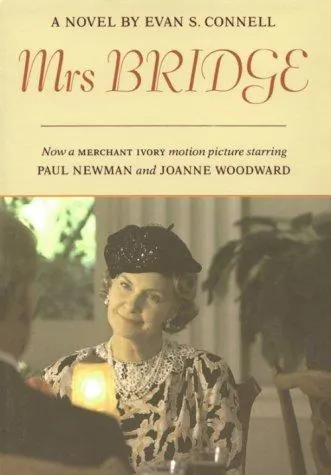
Connell builds an entire marriage from brief episodes: a social embarrassment, a child’s question, an afternoon with nowhere to go. His Kansas City housewife appears comfortably settled, yet the spaces between these miniature scenes reveal loneliness, baffled desire, and the frightening possibility that a life can pass almost unnoticed by the person living it.
Like Dept. of Speculation, Mrs. Bridge is funny without offering comedy as protection. Its restraint makes every small recognition land harder. This mid-century masterpiece has inspired unusually fierce devotion because it performs a rare feat: it makes ordinary domestic time feel both ridiculous and tragic, then leaves you seeing your own routines differently.
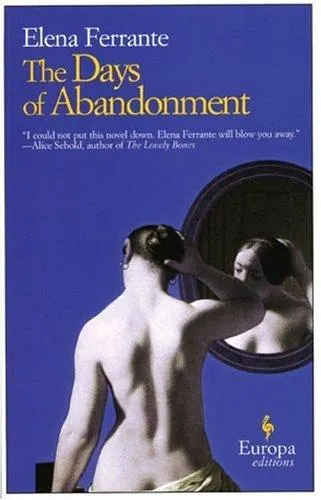
For the emotional emergency beneath Offill’s elegant fragments, turn to Ferrante. When Olga’s husband announces that he is leaving, the orderly language of wifehood and motherhood begins to fail her. Ferrante follows the resulting fury and disorientation with an honesty so severe that the novel can feel electrically dangerous.
Where Offill uses white space, quotation, and wit to circle marital catastrophe, Ferrante drives straight through its most humiliating thoughts. The book is compact, unsentimental, and impossible to read at a safe distance. It is one of Ferrante’s defining novels: not merely a story about abandonment, but a ferocious account of a woman discovering what remains when the identity she inhabited is torn away.