Author
Books like Roddy Doyle
12 books we recommend to Roddy Doyle readers, drawn from Paddy Clarke Ha Ha Ha, The Commitments, The Woman Who Walked into Doors and A Star Called Henry — each with the reason why.
If you loved Paddy Clarke Ha Ha Ha
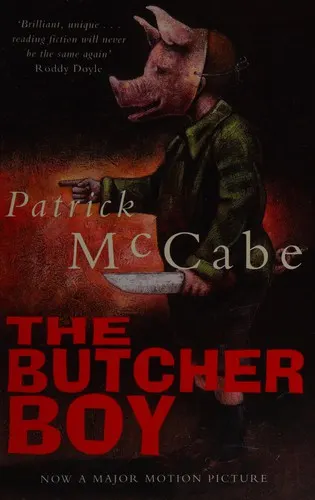
Francie Brady narrates with the same irresistible mixture of bravado, slang, fantasy and imperfect understanding that makes Paddy feel alive. His voice turns a troubled home, neighborhood feuds and everyday humiliations into a breathless private mythology; the comedy is uproarious precisely because you can hear how desperately it is keeping pain at bay.
Shortlisted for the Booker Prize, McCabe’s novel is darker and more feverish than Doyle’s, but it shares Doyle’s great achievement: adults never explain the child to us. We inhabit his logic from the inside, laughing until the laughter becomes morally unsettling. If Paddy’s cheerful evasions and sudden flashes of comprehension stayed with you, Francie’s voice is one you cannot afford to miss.

Billy Casper is another boy whom the adult world persistently underestimates. At school he is mocked, punished and written off; away from it, his patient training of a kestrel reveals powers of concentration and tenderness that nobody has thought to look for.
Hines writes working-class childhood without sentimentality. The school scenes are painfully funny, the dialogue has the snap of overheard speech, and moments of freedom feel precious because the surrounding cruelty is so casual. Its celebrated film adaptation, Kes, helped make the story a British cultural touchstone, but the novel’s close attention to Billy’s mind is its deepest pleasure. Like Doyle, Hines makes a supposedly ordinary boy’s inner life seem urgent and immense.
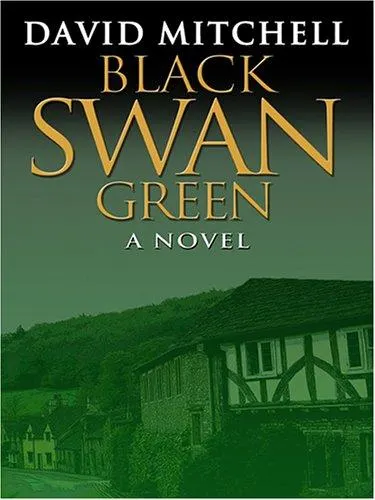
Jason Taylor spends thirteen months navigating the vicious rankings of adolescent life: who may speak, who must laugh, which enthusiasms invite punishment. His stammer makes language both an enemy and a secret obsession, giving the novel an unusually exact feeling for the calculations behind every sentence a child says—or decides not to say.
Mitchell builds the book from episodes that accumulate into a whole life, much as Doyle does through Paddy’s games, boasts and observations. Beneath Jason’s comic vigilance lie tensions at home that he registers before he can interpret them. Best known for formally dazzling novels such as Cloud Atlas, Mitchell is just as impressive here on an intimate scale: Black Swan Green captures the terror, absurdity and fierce intelligence of boyhood with such precision that many readers cherish it as his most emotionally immediate book.
If you loved The Commitments
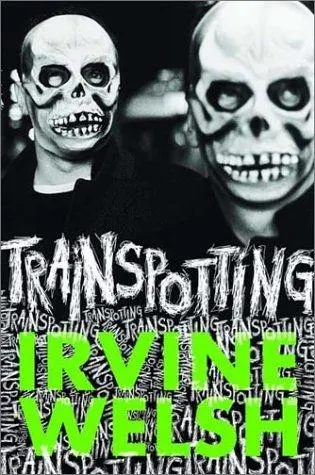
Welsh turns vernacular into propulsion. Renton and his Edinburgh circle speak in competing, unmistakable voices—funny, aggressive, evasive—and, as with Doyle’s band, the group itself becomes the novel’s unruly central character.
The territory is harsher than in The Commitments, but the kinship lies in the anarchic comedy, working-class defiance, and refusal to translate its people for polite outsiders. Booker-shortlisted and hugely influential, Trainspotting proved that demotic speech could carry a major novel without losing a volt of its energy. If Doyle’s dialogue sounded thrillingly alive, Welsh’s will feel positively combustible.
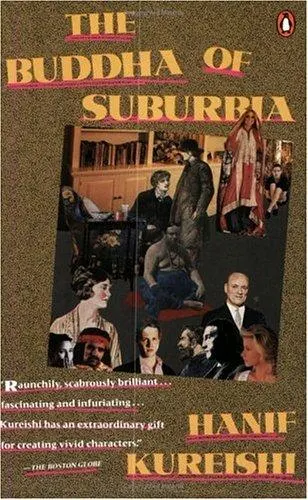
Karim Amir introduces himself as English—“almost”—and launches into a story powered by appetite, embarrassment, reinvention, and the irresistible fraudulence of performance. His father’s transformation into a suburban guru opens doors into London’s theatrical and musical worlds, where identity is something people rehearse in public and revise backstage.
Like Doyle, Kureishi understands that ambition can be ridiculous and completely serious at once. The comedy is sharp about class, race, fashion, and artistic pretension, yet generous toward anyone desperate to escape the role assigned to them. Winner of the Whitbread First Novel Award, this is a swaggering, crowded, irresistibly voiced novel about making yourself up as you go.
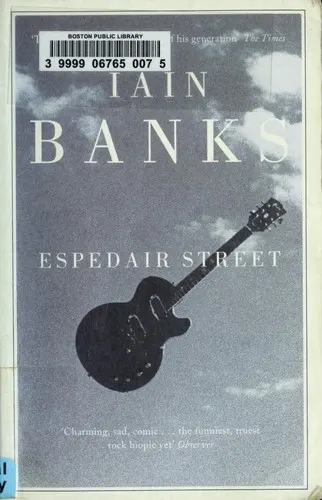
Daniel Weir—known in his rock-star years as Weird—looks back on how an awkward, working-class Scottish songwriter became part of a stadium-filling band. Banks gives the fantasy of musical escape its full charge: the private thrill of writing a song, the chemistry of incompatible bandmates, and the absurd momentum by which a few hopeful people become a public phenomenon.
But Espedair Street also asks what remains when the noise dies down. Its narrator is wry, self-lacerating, and unexpectedly tender, making this less a conventional rise-and-fall story than a novel about friendship, guilt, and the strange burden of getting what you wanted. A cherished book among Banks’s admirers, it offers the musical exhilaration of The Commitments with a deeper, lingering emotional echo.
If you loved The Woman Who Walked into Doors
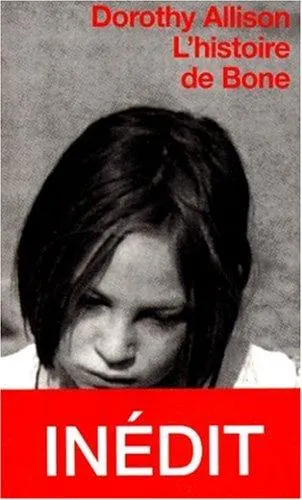
Bone Boatwright narrates her childhood among a poor Southern family with the same volatile mixture of shame, loyalty, fury, and comedy that makes Paula Spencer unforgettable. Allison never turns poverty into picturesque hardship or violence into a tidy lesson; she shows how love and cruelty can inhabit the same household, and how fiercely a child may defend the people who fail her.
A National Book Award finalist, this has become a landmark of American working-class fiction because Bone is never reduced to what happens to her. Her appetite, pride, watchfulness, and scorching intelligence fill every page. If Doyle’s great achievement was making Paula’s voice feel like an act of survival, Allison accomplishes something comparably indelible.
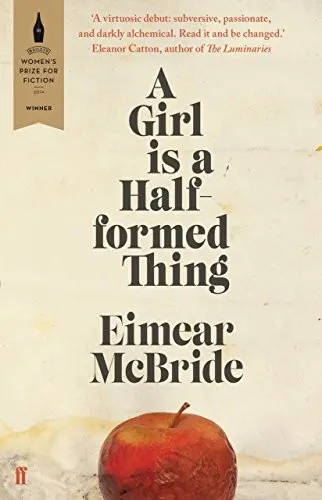
McBride pushes even further into the syntax of a mind under pressure. Her unnamed Irish narrator speaks in fractured, rushing phrases: thought before it has been cleaned up for anyone else. The opening pages require attention, but soon the prose becomes startlingly intimate—you do not merely hear her story; you experience memory, desire, dread, and defiance as they form.
Winner of both the inaugural Goldsmiths Prize and the Baileys Women’s Prize, the novel earned its reputation through genuine formal daring rather than literary ornament. Like Doyle, McBride understands that broken language can be more truthful than polished testimony. It is harrowing, but its ferocity and originality make it impossible to dismiss as simply bleak.

What Stuart shares most profoundly with Doyle is moral vision: an ability to portray addiction, deprivation, humiliation, and family damage without surrendering tenderness or humor. Young Shuggie’s devotion to his glamorous, increasingly vulnerable mother Agnes is rendered with painful clarity. Neither is made into a symbol; both remain vain, funny, exasperating, loving people.
The Booker Prize recognized a novel whose emotional power comes from close observation rather than manipulation—the careful outfit, the neighbor’s remark, the small ritual that preserves dignity for another day. Readers who loved Paula Spencer’s contradictions will recognize Agnes as another magnificent refusal of easy judgment. Shuggie Bain is expansive where Doyle is compressed, but it leaves the same sense that truly seeing a damaged life is itself a form of respect.
If you loved A Star Called Henry
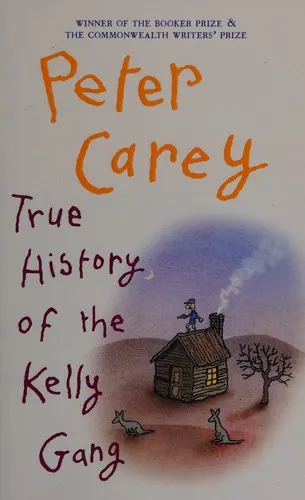
Carey gives Australia’s legendary outlaw Ned Kelly the same dangerous privilege Doyle gives Henry Smart: the right to manufacture himself in language. Kelly’s breathless, largely unpunctuated testimony turns poverty, humiliation and violence into a private epic, while continually exposing the desperation beneath the swagger.
Winner of the Booker Prize, this is no dutiful historical reconstruction. It asks how an abused boy becomes a national emblem—and whether rebellion can ever escape the myths built around it. Its vernacular has such urgency that Ned seems to be inventing both his country and himself as you read.
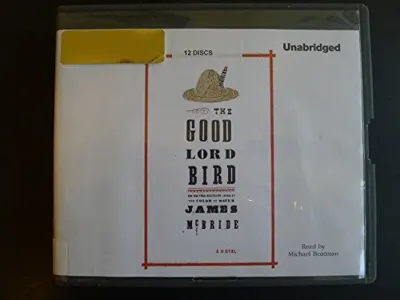
John Brown’s doomed crusade against slavery is retold by Onion, a young Black narrator who survives partly by letting Brown mistake him for a girl. That premise releases a superb comic voice: sly, frightened, opportunistic and sharply alert to the absurdities of heroic men.
Like Doyle, McBride can make revolutionary violence farcical without trivializing its stakes. His National Book Award winner treats official legend as material for a tall tale, but the jokes keep opening onto moral seriousness. Readers drawn to Henry’s insolence, velocity and unstable place inside history will find Onion almost impossible to resist.
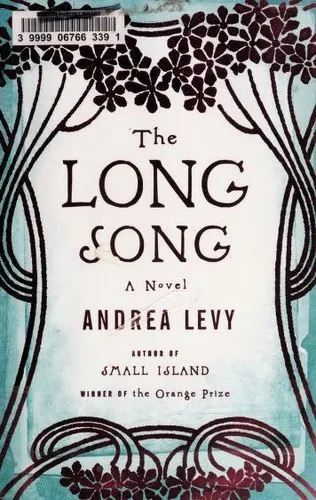
July, born enslaved on a Jamaican sugar plantation, is supposedly recording her life under the supervision of her fussy printer son—but she immediately begins disputing his version of events. That quarrel over who controls the story gives Levy’s Booker-shortlisted novel its wit, intimacy and defiance.
July is not offered as a solemn witness. She edits, embellishes, mocks and withholds, claiming the freedom to be entertaining as well as truthful. Levy’s great achievement is to make historical testimony feel like a living contest between memory and authority. Anyone who loved Doyle’s demolition of clean patriotic narratives should not miss July’s mischievous, hard-won authorship of her own past.