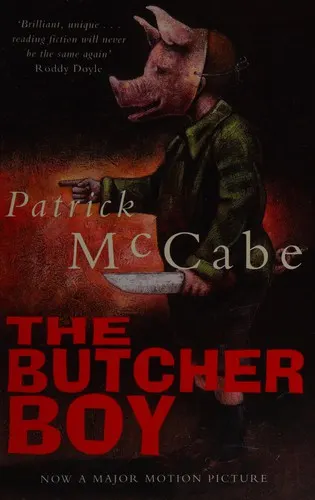
Books like The Butcher Boy
Begin in the dank London household of Barbara Comyns’s The Vet’s Daughter, where an apparently artless young woman narrates horrors with unnerving calm. That same collision of innocence, comedy, and gathering dread runs through all three choices: each traps you inside a voice whose distortions become more revealing than ordinary realism could be.
If you liked The Butcher Boy, you’ll love these
Not lookalikes — kindred books. Each one shares something essential with The Butcher Boy, and we tell you exactly what.
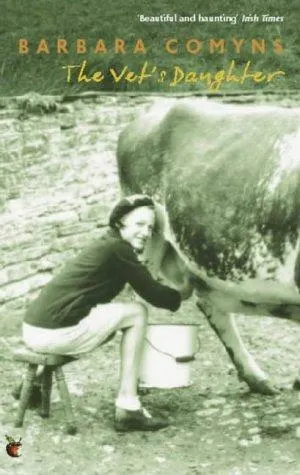
Alice lives above her father’s veterinary surgery, surrounded by sick animals, domestic tyranny, and casual humiliations. She reports it all in plain, almost prim sentences—and that restraint makes the grotesque details simultaneously funnier and more awful.
Like McCabe, Comyns understands that a vulnerable narrator’s peculiar language can transform abuse into a private mythology. The novel gradually acquires the logic of a poisoned fairy tale, without losing the grubby physical reality of the household. Long cherished as a cult classic and revived by Virago, it is short, singular, and haunting: once Alice’s voice enters your head, its guileless strangeness is hard to dislodge.
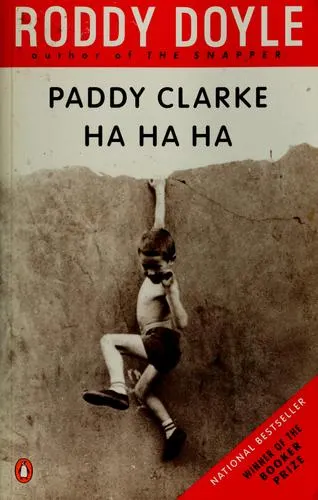
Doyle’s Booker Prize winner captures childhood not by explaining it retrospectively but by rebuilding its speed, noise, cruelty, jokes, loyalties, and sudden terrors from within. Paddy’s Dublin is made from chants, boasts, experiments, scraps of overheard adult speech, and rules that children enforce with absolute seriousness.
A reader who loved Francie Brady’s verbal momentum will recognize the deeper achievement here: voice becomes consciousness, and consciousness becomes plot. Doyle is less grotesque than McCabe, but equally alert to the moment when comedy stops protecting a child from what is happening at home. The apparently loose episodes accumulate with devastating precision; few novels make laughter and heartbreak occupy the same sentence so naturally.
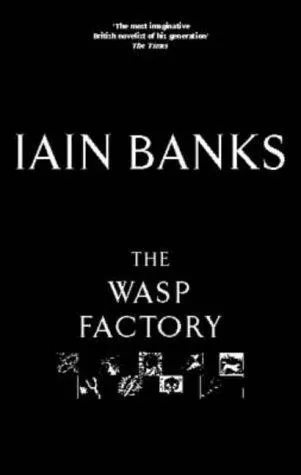
Frank, Banks’s teenage narrator, patrols an isolated Scottish island, tends private altars, invents rituals, and speaks about violence with brisk ingenuity. The shock is not merely what Frank tells us, but how seductive the telling becomes: elaborate jokes, wounded vanity, grand theories, and appalling acts all belong to one persuasive imaginative system.
That is the closest kinship with The Butcher Boy. Both novels make monstrosity intimate rather than safely alien, forcing the reader to notice the loneliness and social damage inside a narrator’s black comedy without excusing anything. Banks’s notorious debut became a modern cult novel because its provocations are supported by formidable control of voice. It remains outrageous, horribly funny, and far more emotionally complicated than its scandalous reputation suggests.