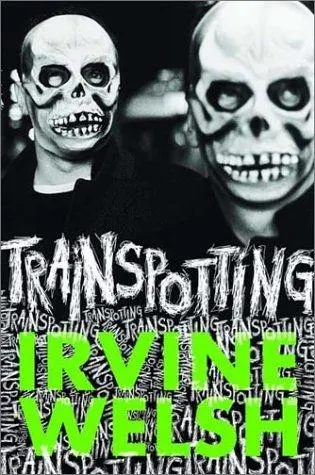
Books like Trainspotting
James Kelman traps you inside one battered, defiant consciousness; Hubert Selby Jr. lets an entire district howl through the cracks. Patrick McCabe completes the trio with comedy so infectious that its gathering horror arrives almost unnoticed. All three share Trainspotting’s faith in outlaw voices, abrasive humour and lives respectable fiction often tidies away.
If you liked Trainspotting, you’ll love these
Not lookalikes — kindred books. Each one shares something essential with Trainspotting, and we tell you exactly what.
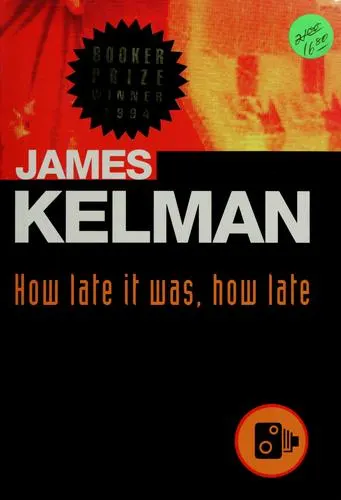
Sammy wakes after a drinking binge, collides with the police and finds that he can no longer see. From there, Kelman renders every thought, curse and stubborn improvisation in uncompromising Glaswegian demotic. As in Trainspotting, vernacular is not decoration: it determines the novel’s rhythm, politics and sense of reality.
Sammy is abrasive, funny and resourceful, while the welfare and medical bureaucracies around him become a quietly surreal machinery of humiliation. The novel’s profanity scandalised some judges when it won the 1994 Booker Prize, but its real audacity lies in granting a disregarded man complete authority over the page. If Welsh’s voices changed what you thought literary prose could sound like, Kelman’s masterpiece is indispensable.
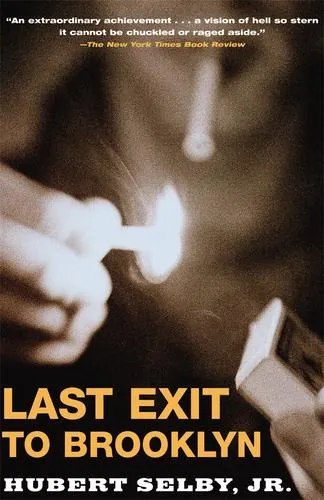
Selby’s Brooklyn is delivered as a barrage: crowded bars, street fights, sexual desperation, factory resentment and moments of startling tenderness. Moving among several damaged lives, the novel achieves the same volatile ensemble effect as Trainspotting—characters can be cruel, ridiculous and heartbreakingly exposed within a few lines.
Its compressed punctuation and breathless sentences make the prose feel spoken under pressure. Published in 1964, it became notorious, faced an obscenity prosecution in Britain and went on to exert enormous influence on transgressive urban fiction. Yet it endures not because it shocks, but because Selby refuses either sentimental rescue or superior judgment. Few novels make degradation feel so immediate—or compassion so hard-won.
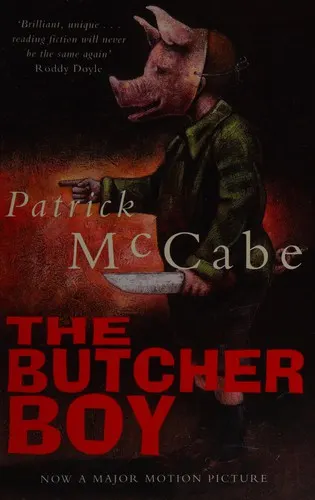
Francie Brady narrates his small-town childhood in a tumbling, punctuation-light monologue full of jokes, fantasies, grudges and borrowed voices. He is captivating company from the first page: inventive, insolent and capable of turning humiliation into private theatre. Like Welsh, McCabe understands that black comedy is not relief from pain but one of the forms pain takes.
The brilliance lies in the widening gap between Francie’s buoyant account and what the reader begins to perceive around him. Social respectability, family damage and communal cruelty are exposed without the novel ever abandoning its protagonist’s unruly idiom. Booker-shortlisted and now regarded as a modern Irish classic, The Butcher Boy offers that rare Trainspotting mixture: linguistic exhilaration, appalling laughter and a tenderness the book would never admit to possessing.