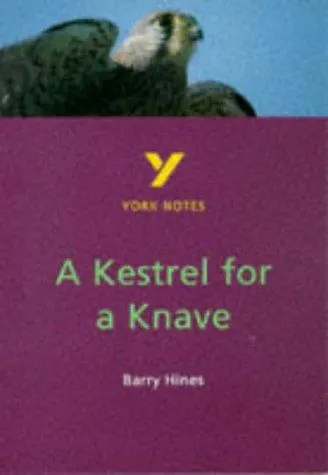
Books like A Kestrel for a Knave
—because Billy’s story endures not simply as social realism, but as a fierce act of attention: to a disregarded child, to the language of his world, and to the brief freedom found beyond it.
If you liked A Kestrel for a Knave, you’ll love these
Not lookalikes — kindred books. Each one shares something essential with A Kestrel for a Knave, and we tell you exactly what.

Like Hines, Porter looks past the label “troubled boy” and finds a whole, painfully alert person underneath. Shy slips away from a last-chance school one night, carrying a rucksack full of rocks while the voices of teachers, parents, music and memory crowd his head.
Porter’s fragmented, rhythmically charged prose is very different from Hines’s plainspoken realism, yet it achieves something similar: it makes institutional judgment feel crude beside the complexity of the child being judged. The nocturnal landscape offers Shy moments of heightened sensory freedom without becoming an easy cure. Short, formally daring and intensely compassionate, this is the rare novel that understands why boys who cannot explain themselves may still deserve our closest attention.

The Booker Prize-winning Shuggie Bain has Hines’s gift for making deprivation concrete without reducing its characters to case studies. Its Glasgow is built from exact speech, household economies, humiliations, jokes and small displays of pride. At its centre is Shuggie, a fastidious, conspicuous boy devoted to his glamorous, alcohol-dependent mother.
Stuart writes on a broader canvas than Hines, but with the same combination of anger and tenderness. He is unsparing about addiction, poverty and the cruelty children learn from adults, while remaining alert to comedy, beauty and stubborn love. Shuggie is as vulnerable and indelible as Billy Casper; once Stuart has made you see the world at his height, looking away feels impossible.
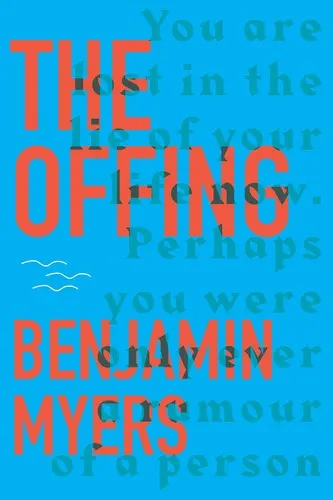
The Offing feels, in one sense, like the summer Billy Casper should have been allowed. Robert Appleyard, a miner’s son in postwar northern England, sets out on foot before the pit can claim him and encounters Dulcie, an older woman whose cottage opens onto unfamiliar pleasures: abundant food, poetry, conversation and the natural world.
Myers shares Hines’s belief that attention—to birds, weather, work, words—can enlarge a life hemmed in by class. But where Billy meets adults who belittle what they cannot measure, Robert meets one who recognizes and nourishes his hunger for more. The novel’s sensuous landscape writing never forgets the economic future waiting beyond the summer. Warm without being sugary, it offers the exhilaration of seeing a working-class boy’s inner life not merely witnessed, but encouraged.