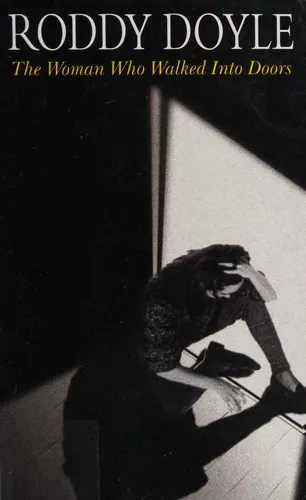
Books like The Woman Who Walked into Doors
These novels preserve the bruising intimacy, black humor, and hard-won dignity of a voice refusing to let violence have the final word.
If you liked The Woman Who Walked into Doors, you’ll love these
Not lookalikes — kindred books. Each one shares something essential with The Woman Who Walked into Doors, and we tell you exactly what.
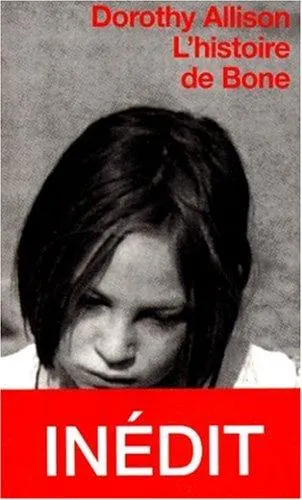
Bone Boatwright narrates her childhood among a poor Southern family with the same volatile mixture of shame, loyalty, fury, and comedy that makes Paula Spencer unforgettable. Allison never turns poverty into picturesque hardship or violence into a tidy lesson; she shows how love and cruelty can inhabit the same household, and how fiercely a child may defend the people who fail her.
A National Book Award finalist, this has become a landmark of American working-class fiction because Bone is never reduced to what happens to her. Her appetite, pride, watchfulness, and scorching intelligence fill every page. If Doyle’s great achievement was making Paula’s voice feel like an act of survival, Allison accomplishes something comparably indelible.
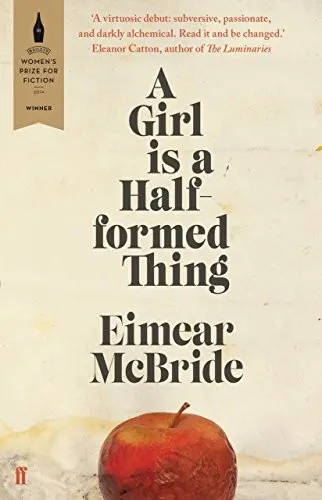
McBride pushes even further into the syntax of a mind under pressure. Her unnamed Irish narrator speaks in fractured, rushing phrases: thought before it has been cleaned up for anyone else. The opening pages require attention, but soon the prose becomes startlingly intimate—you do not merely hear her story; you experience memory, desire, dread, and defiance as they form.
Winner of both the inaugural Goldsmiths Prize and the Baileys Women’s Prize, the novel earned its reputation through genuine formal daring rather than literary ornament. Like Doyle, McBride understands that broken language can be more truthful than polished testimony. It is harrowing, but its ferocity and originality make it impossible to dismiss as simply bleak.

What Stuart shares most profoundly with Doyle is moral vision: an ability to portray addiction, deprivation, humiliation, and family damage without surrendering tenderness or humor. Young Shuggie’s devotion to his glamorous, increasingly vulnerable mother Agnes is rendered with painful clarity. Neither is made into a symbol; both remain vain, funny, exasperating, loving people.
The Booker Prize recognized a novel whose emotional power comes from close observation rather than manipulation—the careful outfit, the neighbor’s remark, the small ritual that preserves dignity for another day. Readers who loved Paula Spencer’s contradictions will recognize Agnes as another magnificent refusal of easy judgment. Shuggie Bain is expansive where Doyle is compressed, but it leaves the same sense that truly seeing a damaged life is itself a form of respect.