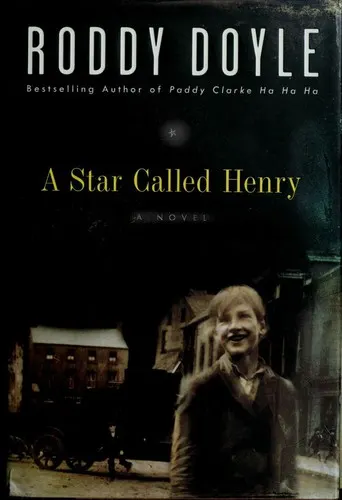
Books like A Star Called Henry
History hurtles forward on dirty boots here: loud, funny, violent, and narrated by people who refuse to let respectable chroniclers have the last word.
If you liked A Star Called Henry, you’ll love these
Not lookalikes — kindred books. Each one shares something essential with A Star Called Henry, and we tell you exactly what.
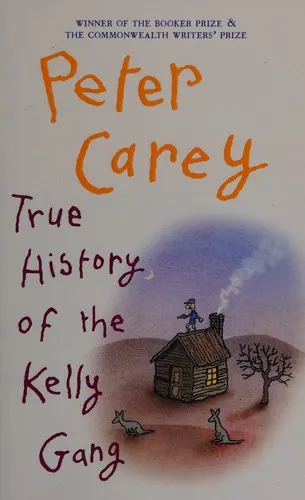
Carey gives Australia’s legendary outlaw Ned Kelly the same dangerous privilege Doyle gives Henry Smart: the right to manufacture himself in language. Kelly’s breathless, largely unpunctuated testimony turns poverty, humiliation and violence into a private epic, while continually exposing the desperation beneath the swagger.
Winner of the Booker Prize, this is no dutiful historical reconstruction. It asks how an abused boy becomes a national emblem—and whether rebellion can ever escape the myths built around it. Its vernacular has such urgency that Ned seems to be inventing both his country and himself as you read.
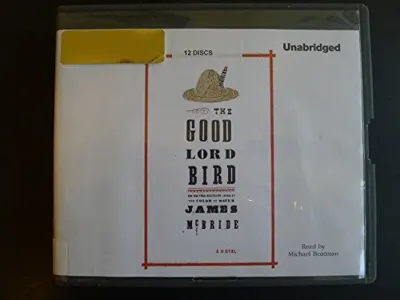
John Brown’s doomed crusade against slavery is retold by Onion, a young Black narrator who survives partly by letting Brown mistake him for a girl. That premise releases a superb comic voice: sly, frightened, opportunistic and sharply alert to the absurdities of heroic men.
Like Doyle, McBride can make revolutionary violence farcical without trivializing its stakes. His National Book Award winner treats official legend as material for a tall tale, but the jokes keep opening onto moral seriousness. Readers drawn to Henry’s insolence, velocity and unstable place inside history will find Onion almost impossible to resist.
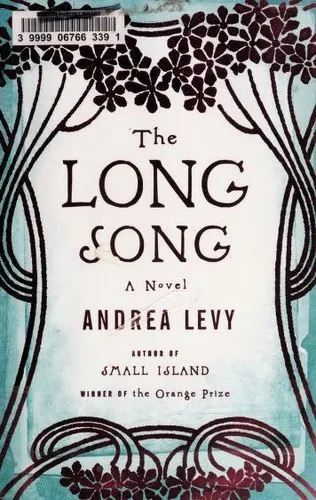
July, born enslaved on a Jamaican sugar plantation, is supposedly recording her life under the supervision of her fussy printer son—but she immediately begins disputing his version of events. That quarrel over who controls the story gives Levy’s Booker-shortlisted novel its wit, intimacy and defiance.
July is not offered as a solemn witness. She edits, embellishes, mocks and withholds, claiming the freedom to be entertaining as well as truthful. Levy’s great achievement is to make historical testimony feel like a living contest between memory and authority. Anyone who loved Doyle’s demolition of clean patriotic narratives should not miss July’s mischievous, hard-won authorship of her own past.