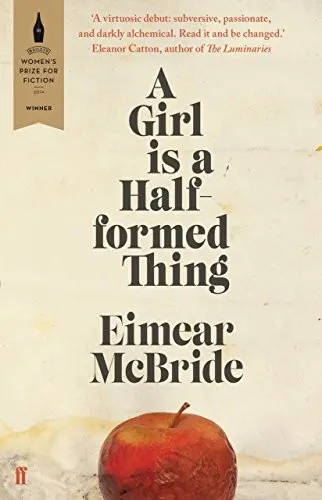
Books like A Girl Is a Half-formed Thing
After McBride’s prose has made language feel like a nervous system—stammering, flaring, and carrying what ordinary sentences cannot—you want fiction in which form itself bears the pressure of desire, shame, grief, and survival.
If you liked A Girl Is a Half-formed Thing, you’ll love these
Not lookalikes — kindred books. Each one shares something essential with A Girl Is a Half-formed Thing, and we tell you exactly what.

Burns creates another young woman’s consciousness under intolerable pressure, but her method is darkly comic, digressive, and hypnotically circular. In a community governed by rumor and surveillance, an unnamed narrator tries to preserve a private self while everyone around her insists on interpreting her.
Winner of the Booker Prize, Milkman earns its difficulty: its long, evasive sentences reproduce the mental ingenuity required to live where direct speech can be dangerous. If McBride thrilled you by breaking grammar open to reveal experience, Burns will show you language becoming camouflage, resistance, and wit.
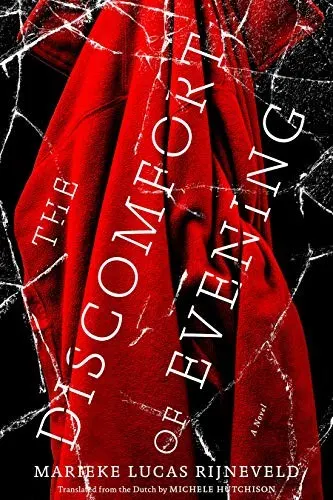
A child in a rigid farming family tries to comprehend a sibling’s death through biblical dread, private rituals, animals, food, and the alarming mysteries of the body. Rijneveld does not tidy childhood grief into adult psychology; the novel remains inside its narrator’s literal, obsessive logic, where tenderness and cruelty can occupy the same thought.
Michele Hutchison’s visceral translation helped this debut win the International Booker Prize. Like McBride, Rijneveld understands that trauma is physical before it is explainable. The result is disturbing, strangely beautiful, and so sensorially precise that its images seem to lodge beneath the skin.
Duras approaches sexual awakening and family damage with an opposite but equally radical music. Where McBride’s sentences rush and fracture, Duras pares memory down to crystalline declarations, repetitions, gaps, and sudden changes of perspective. A teenage French girl in colonial Indochina recalls crossing the Mekong and meeting a wealthy Chinese man; from the outset, desire is inseparable from money, race, power, self-invention, and the gaze of others.
The Lover won the Prix Goncourt and became Duras’s most widely read novel, but its lasting force lies in how unmastered it feels: memory keeps revising the person who claims to remember. Brief enough to read in a sitting and resonant enough to haunt decades, it is one of the essential novels about turning a wounded life into uncompromising art.