Author
Books like John le Carré
6 books we recommend to John le Carré readers, drawn from Tinker Tailor Soldier Spy, A Perfect Spy and The Little Drummer Girl — each with the reason why.
If you loved Tinker Tailor Soldier Spy
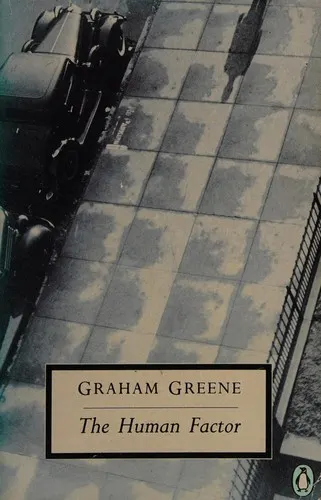
A suspected leak subjects a quiet London intelligence department to closer scrutiny. Greene dwells on the unglamorous machinery: files, lunches, office teasing, domestic worries, and bland conversations whose implications become steadily more menacing.
This is the novel for anyone who loved Tinker Tailor’s refusal to divide people neatly into loyalists and traitors. Greene is less interested in ingenious tradecraft than in what happens when private decency collides with an institution’s pitiless logic. One of his finest late novels, The Human Factor achieves suspense through moral pressure rather than spectacle; its restraint makes every small kindness, evasion, and bureaucratic decision matter.
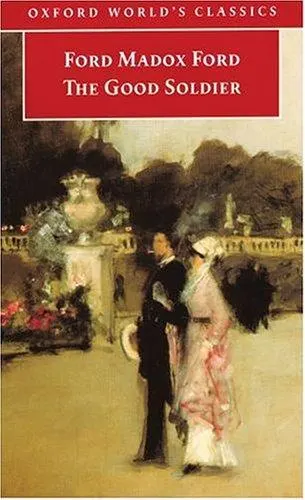
John Dowell begins by calling his account of two affluent couples “the saddest story” he has ever heard. Yet as he circles backward, corrects himself, and supplies details belatedly, the reader realizes that understanding what happened will require interrogating the teller as closely as the tale.
Reading it produces a pleasure remarkably like following Smiley through testimony and half-truths: chronology becomes evidence, manners become camouflage, and omissions speak louder than declarations. Beneath the polished social surface lies the same devastating question that haunts Tinker Tailor—how well can we know those closest to us? Ford’s compact modernist classic rewards rereading almost indecently well; once finished, its famous opening sentence has become an entirely different sentence.
If you loved A Perfect Spy
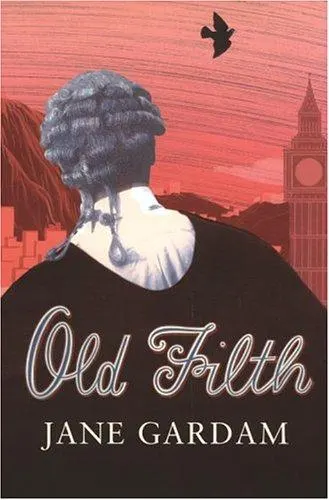
Sir Edward Feathers—nicknamed FILTH, for “Failed in London Try Hong Kong”—appears to be a finished product of the British establishment: distinguished, controlled and unreadable. Gardam gradually reveals the abandoned child beneath that polished exterior.
Like le Carré, she makes biography feel like an investigation. Memories arrive out of order; apparent minor incidents acquire devastating weight; charm and reticence become survival techniques. Her prose is lighter and more mischievous than le Carré’s, but she shares his understanding that empire, boarding schools and emotional neglect manufacture people who can perform identities brilliantly while scarcely knowing themselves. Widely cherished as one of Gardam’s finest novels, Old Filth achieves in a short compass the same painful fusion of public success and private exile that gives Magnus Pym’s life its force.
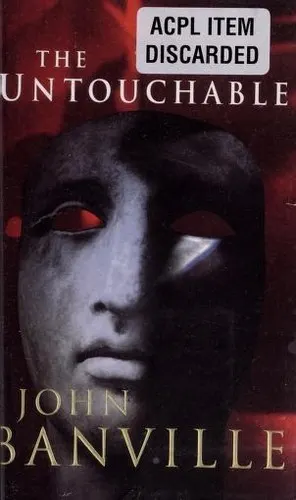
An elderly art historian, aristocratic insider and exposed Soviet spy sets down his account of a lifetime spent among Britain’s elite. Yet the real attraction is not the historical model behind him; it is Banville’s magnificently slippery confessional voice. Victor Maskell is vain, cultivated, comic, wounded and always alert to the aesthetic possibilities of his own disgrace.
A reader who loved Pym’s self-invention will recognize the thrill of watching intelligence become both gift and deformity. Every explanation may also be camouflage, every intimacy another divided loyalty. Banville’s sensuous, exact prose gives betrayal an almost physical texture, while refusing to reduce the traitor to either monster or victim. The Untouchable is among the most admired novels from the Booker-winning author, and it offers the rare espionage narrative that can stand beside le Carré as a serious anatomy of doubleness.
If you loved The Little Drummer Girl
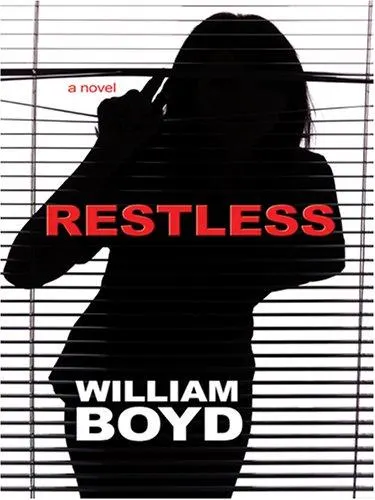
An ordinary Englishwoman tells her daughter that she was once Eva Delectorskaya, recruited into British intelligence before the Second World War. What follows is less a conventional spy story than a study of how someone learns to make deception feel instinctive.
Like Charlie, Eva is shaped by a charismatic handler who recognizes her talent for becoming what others need to see. Boyd is superb on the practical craft of duplicity—the rehearsed gestures, improvised lies, and constant reading of an audience—but even better on its psychological aftermath. Winner of the Costa Novel Award, Restless has the pace of a thriller and the lingering ache of a life permanently estranged from innocence.
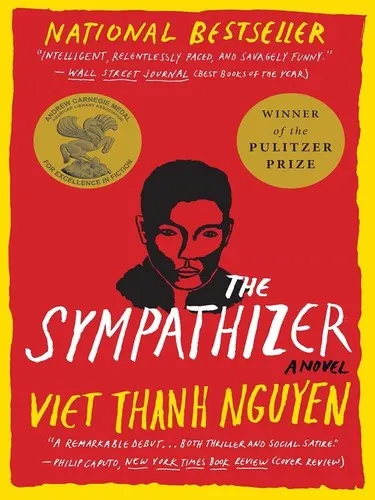
Nguyen’s Pulitzer Prize-winning novel places us inside the mind of a man whose loyalties are irreconcilably divided. A communist agent embedded among South Vietnamese exiles, he is intellectually capable of seeing every side—and therefore unable to belong wholly to any of them.
The kinship with The Little Drummer Girl lies in its understanding of politics as theater: roles harden into identities, private affection interferes with doctrine, and revolutionary language disguises vanity, cruelty, and longing. Nguyen adds savage comedy and a fiercely distinctive confessional voice. Few novels make divided allegiance feel so exhilarating, corrosive, and painfully human.