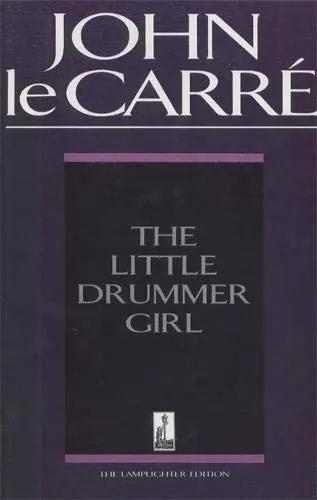
Books like The Little Drummer Girl
Love becomes leverage, conviction becomes a costume, and every convincing performance threatens to consume the person beneath it. These novels sustain le Carré’s atmosphere of intimate danger and compromised loyalties.
If you liked The Little Drummer Girl, you’ll love these
Not lookalikes — kindred books. Each one shares something essential with The Little Drummer Girl, and we tell you exactly what.
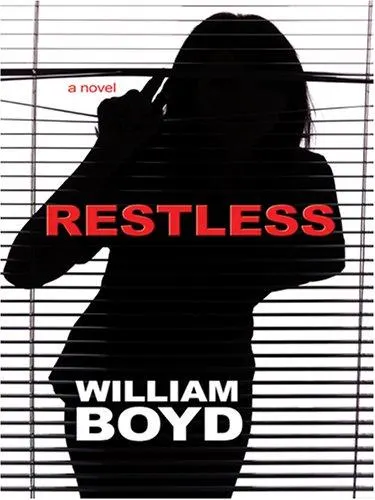
An ordinary Englishwoman tells her daughter that she was once Eva Delectorskaya, recruited into British intelligence before the Second World War. What follows is less a conventional spy story than a study of how someone learns to make deception feel instinctive.
Like Charlie, Eva is shaped by a charismatic handler who recognizes her talent for becoming what others need to see. Boyd is superb on the practical craft of duplicity—the rehearsed gestures, improvised lies, and constant reading of an audience—but even better on its psychological aftermath. Winner of the Costa Novel Award, Restless has the pace of a thriller and the lingering ache of a life permanently estranged from innocence.
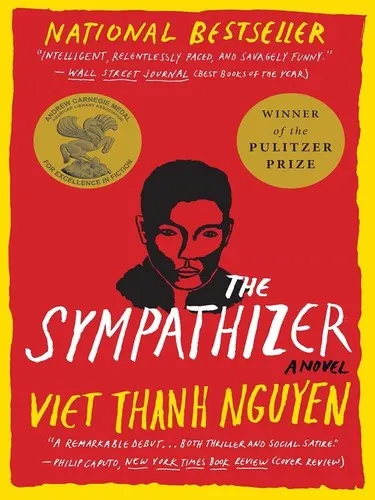
Nguyen’s Pulitzer Prize-winning novel places us inside the mind of a man whose loyalties are irreconcilably divided. A communist agent embedded among South Vietnamese exiles, he is intellectually capable of seeing every side—and therefore unable to belong wholly to any of them.
The kinship with The Little Drummer Girl lies in its understanding of politics as theater: roles harden into identities, private affection interferes with doctrine, and revolutionary language disguises vanity, cruelty, and longing. Nguyen adds savage comedy and a fiercely distinctive confessional voice. Few novels make divided allegiance feel so exhilarating, corrosive, and painfully human.
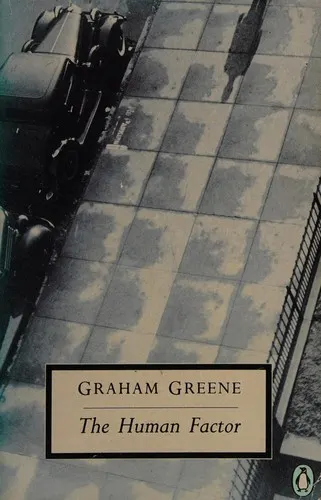
Maurice Castle is a quiet British intelligence officer whose domestic happiness matters more to him than flags, abstractions, or institutional loyalty. When a leak is discovered inside his department, Greene strips espionage of glamour and reveals an organization in which bureaucratic tidiness can become a form of brutality.
Readers drawn to le Carré’s refusal to separate betrayal from love will find this indispensable. Greene makes suspense from conscience: a marriage, a debt of gratitude, or one humane decision can carry greater weight than grand ideological claims. Widely regarded as one of his finest late novels, The Human Factor is spare, merciless, and devastating precisely because nobody in it can be reduced to hero or traitor.