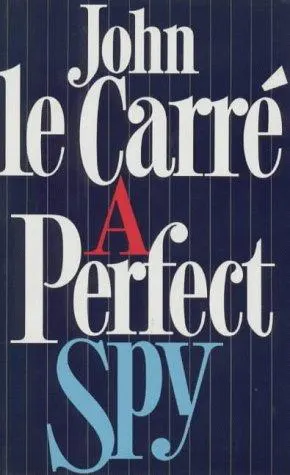
Books like A Perfect Spy
Begin with a retired judge rather than a secret agent: Jane Gardam’s Old Filth understands that the deepest suspense in A Perfect Spy comes not from tradecraft but from the childhood wounds hidden inside an impeccable English persona. The other two choices turn more directly toward treachery and confession.
If you liked A Perfect Spy, you’ll love these
Not lookalikes — kindred books. Each one shares something essential with A Perfect Spy, and we tell you exactly what.
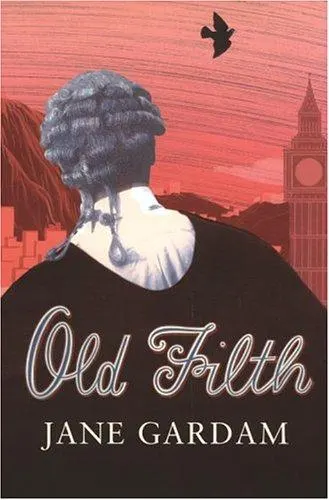
Sir Edward Feathers—nicknamed FILTH, for “Failed in London Try Hong Kong”—appears to be a finished product of the British establishment: distinguished, controlled and unreadable. Gardam gradually reveals the abandoned child beneath that polished exterior.
Like le Carré, she makes biography feel like an investigation. Memories arrive out of order; apparent minor incidents acquire devastating weight; charm and reticence become survival techniques. Her prose is lighter and more mischievous than le Carré’s, but she shares his understanding that empire, boarding schools and emotional neglect manufacture people who can perform identities brilliantly while scarcely knowing themselves. Widely cherished as one of Gardam’s finest novels, Old Filth achieves in a short compass the same painful fusion of public success and private exile that gives Magnus Pym’s life its force.
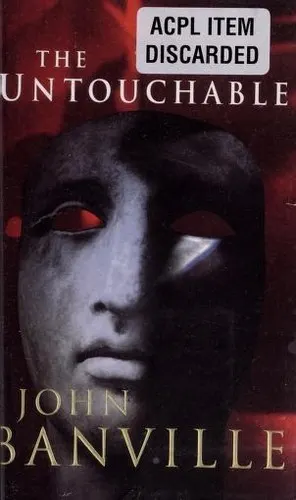
An elderly art historian, aristocratic insider and exposed Soviet spy sets down his account of a lifetime spent among Britain’s elite. Yet the real attraction is not the historical model behind him; it is Banville’s magnificently slippery confessional voice. Victor Maskell is vain, cultivated, comic, wounded and always alert to the aesthetic possibilities of his own disgrace.
A reader who loved Pym’s self-invention will recognize the thrill of watching intelligence become both gift and deformity. Every explanation may also be camouflage, every intimacy another divided loyalty. Banville’s sensuous, exact prose gives betrayal an almost physical texture, while refusing to reduce the traitor to either monster or victim. The Untouchable is among the most admired novels from the Booker-winning author, and it offers the rare espionage narrative that can stand beside le Carré as a serious anatomy of doubleness.
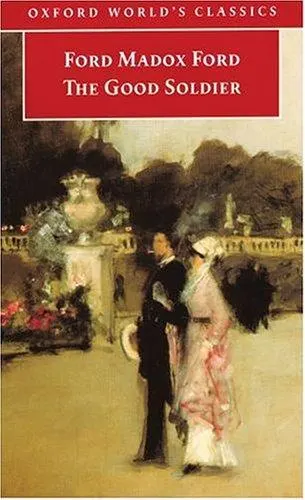
Ford’s narrator begins by promising the history of apparently decent, civilized people. As he circles their marriages and friendships, revising himself and remembering too late, the reader discovers how thoroughly a life can be falsified without any single lie holding it together.
There are no intelligence services here, but few novels are closer to A Perfect Spy in method. Both turn retrospective narration into moral suspense: what does the speaker know, when did he know it, and how much of his bewilderment is itself a performance? Ford’s fractured chronology and radically unreliable voice influenced generations of novelists, yet the book remains startlingly immediate—elegant, intimate and quietly savage. If le Carré made you feel that the ultimate double agent is the storyteller inside the self, The Good Soldier is indispensable.