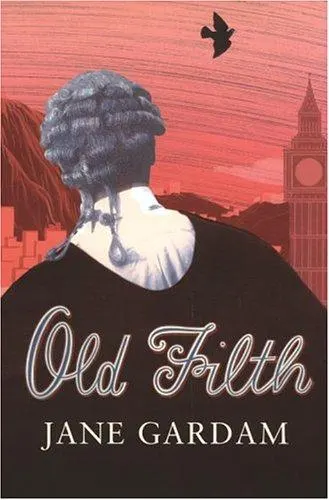
Books like Old Filth
Afterlives. Old Filth is compelling because a seemingly settled old age keeps opening onto abandoned children, private loyalties and feelings disciplined almost out of existence. These novels share Gardam’s faith that an entire life can hide inside manners, omissions and belated understanding.
If you liked Old Filth, you’ll love these
Not lookalikes — kindred books. Each one shares something essential with Old Filth, and we tell you exactly what.
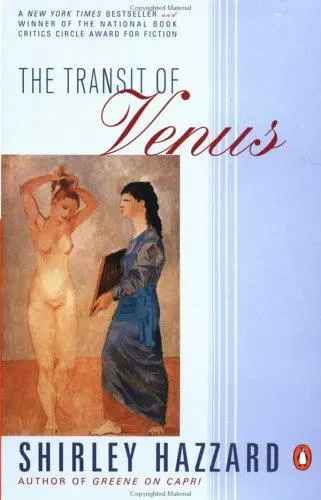
Hazzard follows two orphaned Australian sisters into adult lives abroad, but the deepest kinship with Gardam lies in her extraordinary control of time. A sentence can glance years ahead, turning a casual encounter into fate; an urbane conversation may contain an emotional catastrophe no one present will name.
Winner of the National Book Critics Circle Award and now regarded as Hazzard’s masterpiece, the novel has Old Filth’s worldly intelligence, expatriate dislocation and pitiless awareness of what self-command costs. Its elegance is not ornamental: every polished phrase tightens the hidden design. Readers who love discovering how Gardam has quietly rearranged their understanding will find Hazzard’s revelations even more intricately prepared.
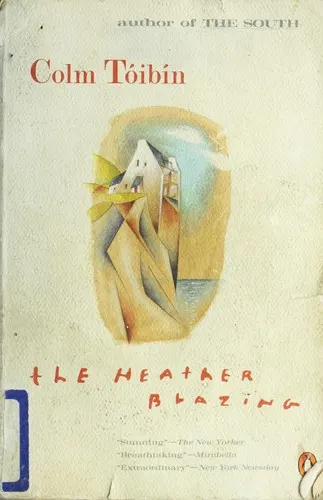
Eamon Redmond, a senior Irish judge, has built himself from discipline, work and silence. Tóibín moves between his public authority, his childhood memories and the domestic life whose emotional claims he does not always know how to meet.
This is a superb companion to Old Filth because it examines a formidable, apparently self-sufficient man without either condemning or excusing him. Landscape and memory keep breaking through the legal mind’s neat compartments; family members possess truths about him that his own account cannot absorb. Tóibín’s quiet prose makes small hesitations momentous. By the end, an entire history of class, country and marriage seems to tremble beneath one reserved man’s life.
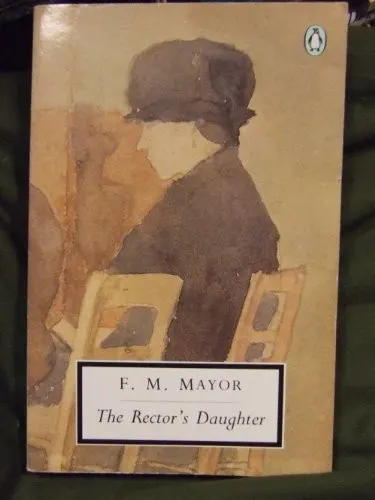
Mary Jocelyn has spent her adulthood caring for her demanding father in an English village, becoming indispensable while remaining almost unseen. When companionship offers the possibility of another kind of life, Mayor records each hope and retreat with devastating precision.
First published in 1924 and cherished through generations of rediscovery, this is one of English fiction’s great novels of unexpressed feeling. Its affinities with Gardam are tonal: dry social comedy beside real anguish, exact observation without sentimentality, and an understanding that dignity can be both shelter and prison. Mary is not merely a victim of convention; she is intelligent, difficult, funny and painfully alive. Anyone moved by the emotional pressure beneath Old Filth’s impeccable surfaces should not miss her.