Author
Books like C. S. Lewis
8 books we recommend to C. S. Lewis readers, drawn from The Screwtape Letters, The Magician's Nephew and Till We Have Faces — each with the reason why.
If you loved The Screwtape Letters
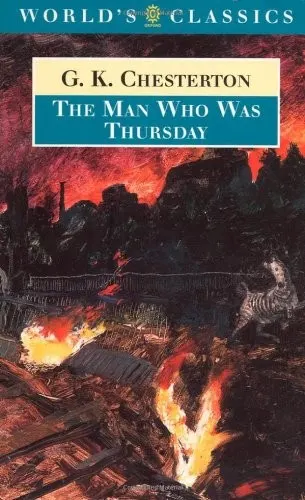
Chesterton’s dazzling “metaphysical thriller” begins with an argument between a poet and an anarchist, then turns logic, disguise, and paradox into instruments of spiritual inquiry. Like Lewis, Chesterton makes ideas exhilarating: jokes suddenly reveal moral abysses, and apparently sensible positions become traps.
Lewis deeply admired Chesterton, and this influential novel shows why. It has Screwtape’s combination of intellectual play, comic menace, and the unnerving suspicion that ordinary appearances conceal a much larger conflict. Few books make theology feel so much like a chase across rooftops.
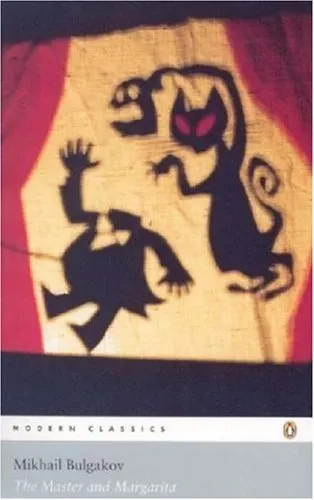
When the Devil arrives in officially atheistic Moscow, he scarcely needs to corrupt anyone; vanity, cowardice, greed, and careerism are already doing excellent work. Bulgakov exposes them through supernatural spectacle, savage farce, and scenes of astonishing imaginative freedom.
What connects it to Screwtape is not merely the diabolical cast but the comic precision with which evil reveals what people have chosen to become. Written under Stalin and first published posthumously in censored form, it survived suppression to become one of the twentieth century’s most beloved novels. It is wilder and stranger than Lewis, but it shares his gift for making damnation horribly funny—and moral seriousness irresistible.
If you loved The Magician's Nephew
Lewis regarded George MacDonald as one of his great imaginative masters, and here the inheritance is unmistakable. Princess Irene lives in a mountain castle above a subterranean goblin kingdom, while a mysterious, radiant great-grandmother offers guidance that must sometimes be trusted before it can be understood.
Like Lewis, MacDonald makes faith tangible without reducing it to allegory: a thread, a song, a half-lit staircase can carry spiritual weight. The novel combines cozy nursery-story warmth with genuine darkness, and Irene’s courage has the same clear, unsentimental quality as Digory’s. To love Lewis’s enchanted moral atmosphere and miss the book that helped teach him how to create it would be to leave one of fantasy’s richest family connections unexplored.
If Digory’s impulsive striking of the bell fascinated you—the instant when curiosity becomes choice and choice acquires enormous consequences—Ged will feel like a compellingly close relation. He is a gifted boy on the island of Gont, impatient to discover the reach of his power; Le Guin treats magic not as wish fulfillment but as a force bound to character, language, and responsibility.
Her prose is lean, grave, and luminous, giving Earthsea the authority of an old legend rather than the busy texture of an invented franchise. This foundational fantasy novel has influenced generations of writers, yet its greatest power remains intimate: it understands pride, fear, and the difficult work of becoming whole. Few books better match Lewis’s ability to make a young person’s moral decisions feel cosmically important.
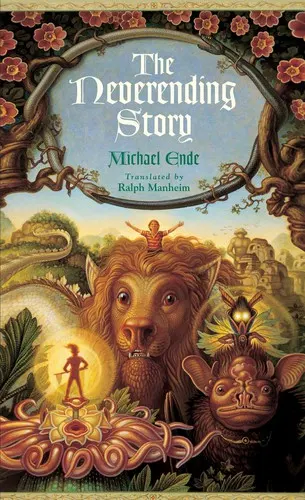
Bastian Balthasar Bux begins as a lonely boy hiding away with a stolen book—and soon reading becomes something far stranger and more consequential than escape. Ende captures the particular thrill found in the Wood between the Worlds: the sense that stories and worlds are alive, that they may call to us, and that entering them changes both traveler and realm.
This internationally beloved German classic is much richer and more unsettling than its famous film adaptation suggests. Its marvels are lavish, but its real subject is desire: what we ask imagination to give us, what our wishes cost, and how creation can shade into possession. The physical book itself often reinforces the enchantment through two-colored printing for its intertwined realities. Readers who cherish Aslan singing Narnia into being will find here another unforgettable vision of imagination as both gift and test.
If you loved Till We Have Faces
Le Guin gives a voice to the nearly silent princess of Virgil’s Aeneid, but the deepest resemblance to Till We Have Faces is not the classical setting. It is the eerie intimacy between mortal consciousness and sacred story: Lavinia senses that she is both a living woman and a figure shaped by powers she cannot fully comprehend.
Le Guin’s grave, translucent prose makes prophecy and ordinary affection feel equally real. Like Orual, Lavinia must distinguish love from possession and freedom from the role destiny has written for her. Winner of the Locus Award, this late Le Guin novel is quieter than her best-known work, but for many readers it is among her most beautiful: a book of startling spiritual poise that seems to speak from inside myth rather than merely revising it.
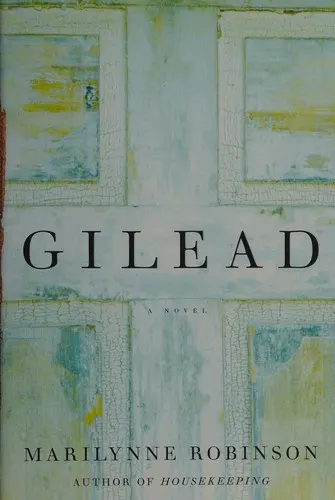
The surprise kinship here is the confessional voice. An elderly minister, knowing he will soon die, writes a long letter to the young son who will scarcely remember him. He intends to leave wisdom and blessing; instead, the letter gradually reveals the jealousies, evasions, and unresolved grief within a fundamentally good man.
That is precisely the moral territory Lewis explores through Orual: we become visible to ourselves only when our carefully justified account begins to crack. Robinson treats theology not as ornament but as lived experience—an effort to perceive grace while pride keeps clouding the glass. Her sentences possess a luminous patience, attentive to water, light, memory, and the strangeness of being alive. Gilead won both the Pulitzer Prize and the National Book Critics Circle Award, and its devoted reputation is deserved: it is one of the rare novels that can make self-knowledge feel like revelation.
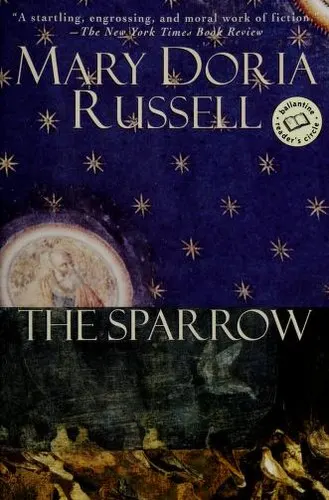
If what gripped you most was Orual’s case against the gods, read The Sparrow. It opens after a disastrous Jesuit mission to another world: the sole survivor, Emilio Sandoz, has returned physically shattered and apparently unwilling to explain what happened. The novel then returns to the mission’s hopeful beginnings, when beauty, friendship, and coincidence seem to form an unmistakable summons.
Russell makes the problem of divine hiddenness brutally concrete. What does faith mean when providence appears first seductive and then monstrous? Can a person tell the truth about suffering without turning pain into a complete explanation of reality? Like Till We Have Faces, this Arthur C. Clarke Award winner refuses both easy piety and easy disbelief. Its warmth makes its theological ordeal more devastating, and its fiercely loyal readers tend to remember Emilio not as an argument but as someone whose wounded questions became their own.