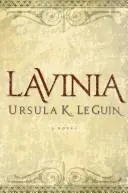
Books like Lavinia
Barely more than a name in the poet’s song, Lavinia discovers that even a half-written woman may claim a voice. These novels share Le Guin’s grave intimacy with myth, her attention to lives hidden behind heroic legend, and her sense that storytelling can both confine a person and set her free.
If you liked Lavinia, you’ll love these
Not lookalikes — kindred books. Each one shares something essential with Lavinia, and we tell you exactly what.

Cassandra speaks while the heroic story of Troy closes around her, examining how a society teaches itself to prefer glorious lies to unbearable truths. Like Le Guin, Wolf strips war of its epic radiance and redirects attention toward palace rooms, private compromises, women’s knowledge, and the machinery that turns fear into public destiny.
Wolf’s voice is fiercer and more compressed than Le Guin’s, but it has the same authority: this is not a modern character wearing antique costume, but an ancient consciousness made startlingly present. A landmark of twentieth-century mythic revision, Cassandra is essential for anyone moved by Lavinia’s quiet refusal to remain what a male poet made her.
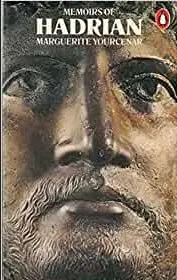
The dying emperor Hadrian writes to his successor, attempting to understand the life he has governed as carefully—and imperfectly—as he governed Rome. Yourcenar’s great achievement is the one Le Guin accomplishes in Lavinia: she crosses the apparent distance of two millennia without flattening the past into either pageantry or contemporary allegory.
Here are the same pleasures of lucid, meditative prose; politics understood through households and bodies; and a narrator contemplating mortality from inside a civilization that assumes its own permanence. Widely regarded as Yourcenar’s masterpiece, Memoirs of Hadrian makes historical imagination feel almost like resurrection. Readers who loved Lavinia’s wisdom about rule, fate, love, and death should not miss it.
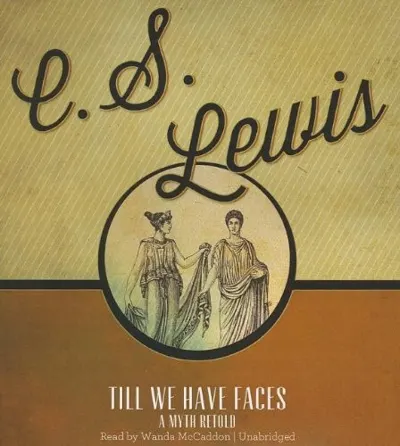
An aging queen sets down an accusation against the gods, retelling the myth of Cupid and Psyche from the perspective of the sister whom the familiar story condemns. Her voice is formidable: intelligent, wounded, practical, and certain that the official version has mistaken judgment for truth.
What makes this such a close companion to Lavinia is not simply its reclaimed female viewpoint, but its profound interest in who gets to tell a myth—and what self-knowledge that telling demands. Lewis gives equal weight to queenship, family intimacy, physical labor, religious terror, and possessive love. Often considered his finest novel, Till We Have Faces has inspired unusually devoted readers because it changes as they change; its questions about love and justice are difficult to finish reading and impossible to finish thinking about.