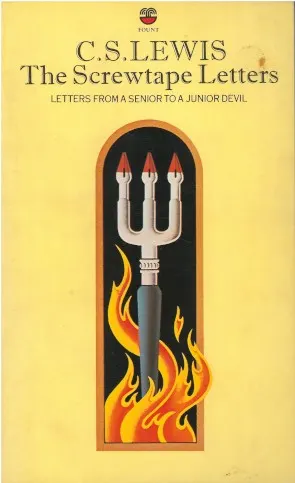
Books like The Screwtape Letters
Because its real pleasure lies in watching temptation translated into wit—and self-deception exposed one plausible thought at a time—these three books carry Lewis’s moral comedy in strikingly different directions.
If you liked The Screwtape Letters, you’ll love these
Not lookalikes — kindred books. Each one shares something essential with The Screwtape Letters, and we tell you exactly what.
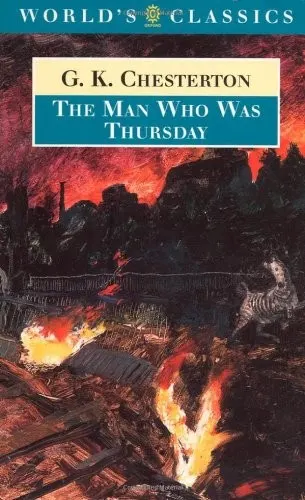
Chesterton’s dazzling “metaphysical thriller” begins with an argument between a poet and an anarchist, then turns logic, disguise, and paradox into instruments of spiritual inquiry. Like Lewis, Chesterton makes ideas exhilarating: jokes suddenly reveal moral abysses, and apparently sensible positions become traps.
Lewis deeply admired Chesterton, and this influential novel shows why. It has Screwtape’s combination of intellectual play, comic menace, and the unnerving suspicion that ordinary appearances conceal a much larger conflict. Few books make theology feel so much like a chase across rooftops.
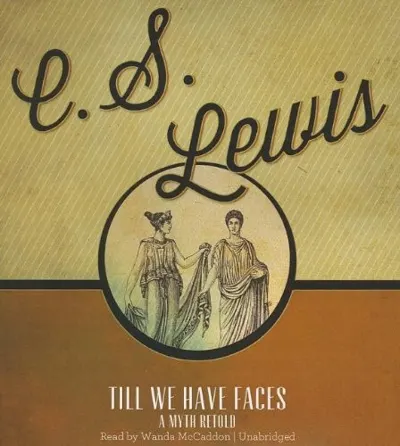
If Screwtape’s sharpest insight is that we can disguise possessiveness, vanity, and resentment as virtue, Lewis’s finest novel drives that insight deeper. Orual, a princess of the imaginary kingdom of Glome, tells her grievance against the gods with formidable intelligence—and with blind spots that gradually become the book’s true subject.
This is Lewis without the safety rail of overt instruction: psychologically intricate, emotionally fierce, and steeped in myth. Many admirers regard it as his masterpiece. Its account of love’s capacity to consume the beloved is the tragic counterpart to Screwtape’s comic anatomy of temptation.
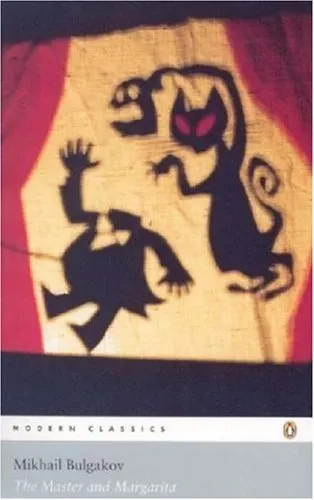
When the Devil arrives in officially atheistic Moscow, he scarcely needs to corrupt anyone; vanity, cowardice, greed, and careerism are already doing excellent work. Bulgakov exposes them through supernatural spectacle, savage farce, and scenes of astonishing imaginative freedom.
What connects it to Screwtape is not merely the diabolical cast but the comic precision with which evil reveals what people have chosen to become. Written under Stalin and first published posthumously in censored form, it survived suppression to become one of the twentieth century’s most beloved novels. It is wilder and stranger than Lewis, but it shares his gift for making damnation horribly funny—and moral seriousness irresistible.