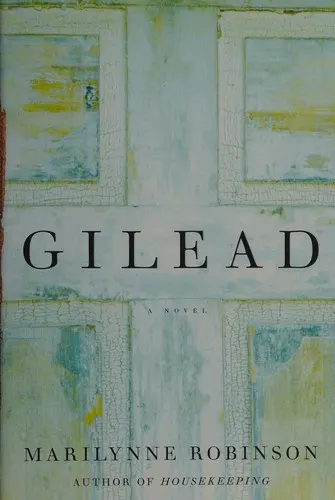
Books like Gilead
How can someone nearing death still find the world inexhaustibly worthy of blessing? These three novels answer with the same moral attentiveness as Gilead, but in distinctly different voices.
If you liked Gilead, you’ll love these
Not lookalikes — kindred books. Each one shares something essential with Gilead, and we tell you exactly what.
Maxwell’s short, immaculate novel shares Gilead’s deepest conviction: that remembering another person is an act of moral responsibility. An aging narrator revisits his Illinois childhood, a broken friendship, and a murder whose meaning he could not grasp at the time. Like Ames, he speaks gently while testing his own failures of sympathy.
Maxwell, long the revered fiction editor of The New Yorker, compresses an entire vanished world into lucid, unshowy sentences. The novel’s power lies in the moment recollection becomes imaginative mercy—when the narrator tries to see lives other than his own from within. Widely regarded as Maxwell’s masterpiece, it is one of those rare books whose brevity makes its emotional reach seem miraculous.
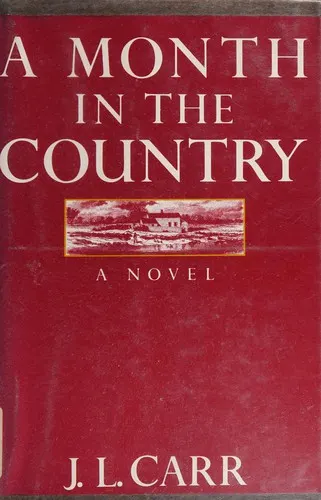
In the summer of 1920, a traumatized veteran arrives in a Yorkshire village to uncover a medieval wall painting in a church. Carr turns that modest task into a radiant novel about damaged people, fleeting happiness, and the saving discipline of paying attention.
A Gilead reader will recognize the tenderness toward small rituals, weather, work, and imperfect fellowship—but Carr’s reticence is peculiarly English, with sorrow flickering beneath dry comedy. Shortlisted for the Booker Prize and cherished far beyond its initial modest reception, this slender novel leaves readers mourning a single summer as though it were their own lost paradise.
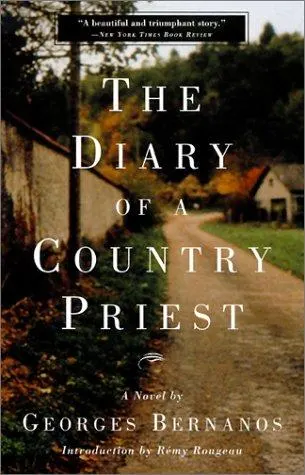
Bernanos offers the most searching companion to Robinson’s theology of grace. His young, ailing priest records his ministry in a French village: awkward visits, hostile parishioners, self-doubt, bodily weakness, and the frightening possibility that good intentions may accomplish nothing. The diary form creates the same intimacy as Ames’s letter, but its voice is rawer and more embattled.
This is no pious success story. Bernanos makes spiritual life feel dramatic because pride, despair, love, and grace can occupy the same sentence. A landmark of twentieth-century Catholic fiction—later adapted into Robert Bresson’s equally revered film—it culminates in one of literature’s most enduring expressions of grace. Anyone moved by Ames’s humility should encounter this fiercer, unforgettable counterpart.