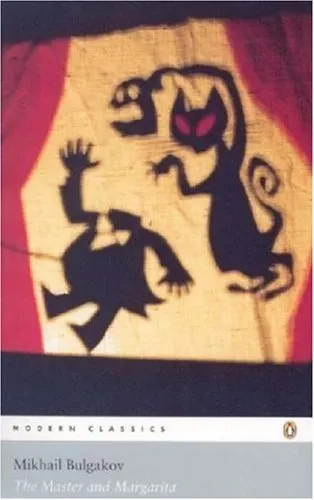
Books like The Master and Margarita
Where Invitation to a Beheading distills tyranny into a crystalline nightmare, The Hearing Trumpet gleefully lets surrealism tear the walls down. Between those poles, these three novels share Bulgakov’s rarest gifts: metaphysical mischief, savage comedy, and fantasy used to expose realities that sober realism cannot reach.
If you liked The Master and Margarita, you’ll love these
Not lookalikes — kindred books. Each one shares something essential with The Master and Margarita, and we tell you exactly what.
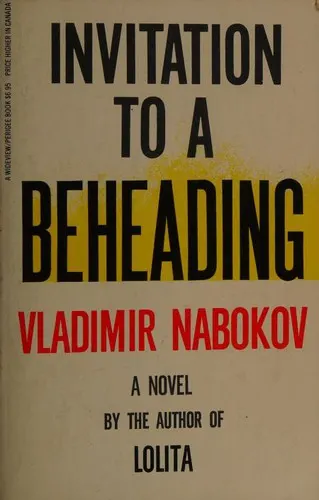
Cincinnatus C. has been condemned for the inscrutable crime of “gnostical turpitude,” and his prison is run like a shabby theatrical production whose actors keep forgetting their parts. As in The Master and Margarita, official power is both terrifying and ludicrous: it can destroy a person, yet it remains spiritually vulgar and imaginatively second-rate.
Nabokov’s prose gives Cincinnatus an inward freedom his jailers cannot comprehend. The novel is shorter and more concentrated than Bulgakov’s, but it offers the same exhilarating conviction that art, love, and the private self possess a reality beyond the state’s counterfeit world. One of Nabokov’s most fiercely admired novels, it is essential reading for anyone who loved Bulgakov’s marriage of political nightmare and metaphysical escape.
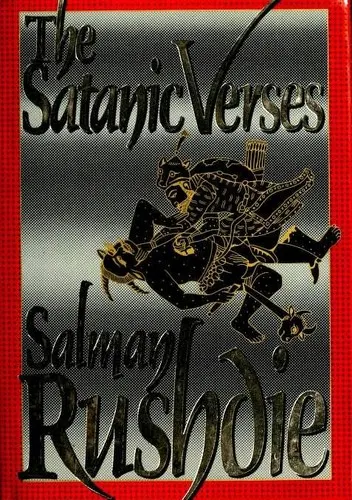
Rushdie begins with two men tumbling from an exploded airplane, singing as they fall toward the English Channel. From there, identities mutate, dreams invade waking life, and theology becomes material for comedy, argument, terror, and wonder.
What links it most powerfully to Bulgakov is not the presence of devils or religious provocation, but its audacity: both novels treat the sacred and the ridiculous as inseparable. Rushdie shifts between slapstick and anguish, public spectacle and private betrayal, while asking how stories can remake—or deform—the people who live by them. Its controversy has sometimes obscured its achievement, but its verbal abundance and imaginative fearlessness have made it a landmark of postwar fiction. If Woland’s theatrical havoc delighted you, Rushdie’s grand, dangerous performance is hard to resist.
Ninety-two-year-old Marian Leatherby is nearly deaf, cheerfully peculiar, and treated by her family as an inconvenience. When a friend gives her an ornate hearing trumpet, she discovers that her relatives plan to send her away. That modest betrayal opens the door to a world governed by bizarre rituals, eccentric women, occult clues, and logic that becomes more liberating as it grows less respectable.
Carrington has Bulgakov’s gift for making the impossible feel like a correction to ordinary life rather than an escape from it. Her comedy is drier, her rebellion more distinctly feminist, and her surrealism has the unnerving authority of a genuine vision. Long cherished as a cult classic and increasingly recognized as a major work of twentieth-century surrealism, The Hearing Trumpet is the rare novel whose lunacy feels both playful and necessary.