Author
Books like Anthony Trollope
10 books we recommend to Anthony Trollope readers, drawn from The Way We Live Now, Barchester Towers, The Warden, The Small House at Allington, The Prime Minister and The Belton Estate — each with the reason why.
If you loved The Way We Live Now
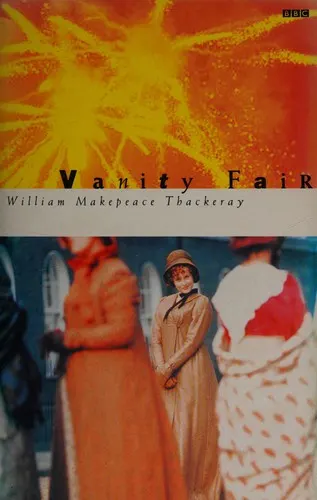
If Trollope’s great pleasure lies in watching an entire society compromise itself around money, Thackeray is his indispensable co-conspirator. Becky Sharp leaves school armed with charm, intelligence, and no intention of accepting the modest place allotted to her. Around her, courtship, friendship, and respectability become forms of bargaining.
Thackeray’s famous “novel without a hero” has the same exhilarating doubleness as The Way We Live Now: it condemns social corruption while delighting in the wit and vitality of its operators. The narrator needles readers for enjoying the very spectacle he exposes, and the huge cast accumulates into a merciless comic panorama. This landmark of English satire is not merely adjacent to Trollope; it is one of the books that makes his achievement legible.
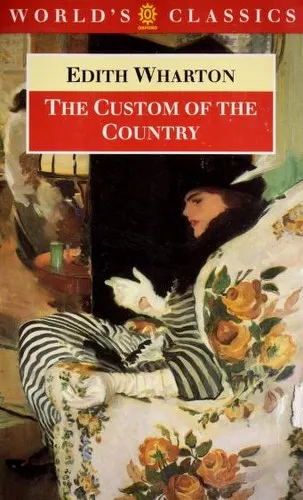
Undine Spragg is what happens when the marriage market produces its perfect consumer. Newly arrived in New York society, she studies people chiefly for the access, admiration, and advancement they might provide. Wharton never softens her, yet makes her energy horribly compelling.
A lover of Trollope will recognize the exact accounting of status: who may visit whom, what a name is worth, how taste becomes currency, and how romantic language disguises acquisition. But Wharton is leaner and icier; every polished sentence closes like a trap. Long overshadowed by her better-known novels, The Custom of the Country is now widely cherished as one of her fiercest achievements—and Undine as one of fiction’s unforgettable social predators.
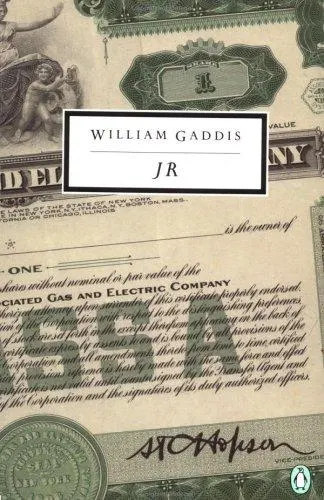
Gaddis takes Trollope’s insight—that financial confidence can become more powerful than reality—and unleashes it on twentieth-century America. An eleven-year-old schoolboy, learning the rudiments of investing, begins assembling a business empire through telephones, paperwork, leverage, and other people’s credulity.
Almost entirely composed of overlapping dialogue, J R initially feels chaotic; soon its voices become a prodigious comic orchestra of executives, teachers, lawyers, artists, and functionaries talking past one another while money acquires a life of its own. Like Melmotte’s world, this one implicates far more than a single rogue: fraud flourishes because respectable institutions already speak its language. Gaddis’s National Book Award-winning masterpiece demands attention, but its devotees treasure it as one of the funniest and most devastating American novels about capitalism. Trollope readers willing to meet it halfway may find their modern epic.
If you loved Barchester Towers
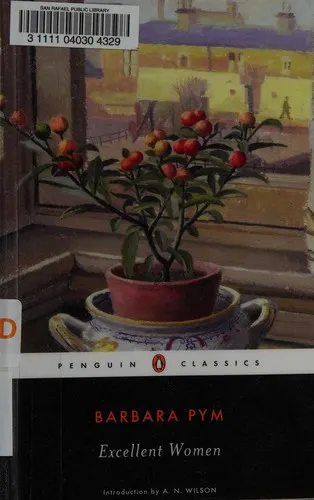
Pym turns an Anglican parish into a complete social ecosystem, observed by Mildred Lathbury, an intelligent, self-effacing woman whom everyone assumes will organize the jumble sale, soothe the clergy, and absorb their confidences. Like Trollope, Pym knows that tiny questions of precedence and propriety can carry the emotional force of revolutions.
Her comedy is quieter than Trollope’s but just as exact: a cup of tea can become a tactical maneuver, and an apparently harmless clergyman can reveal astonishing reserves of vanity. Philip Larkin helped restore Pym’s reputation because beneath that exquisite dryness lies real feeling—especially for people whom society finds useful but fails to see. If Mrs Proudie’s drawing room delighted you, Mildred’s parish will become indispensable.
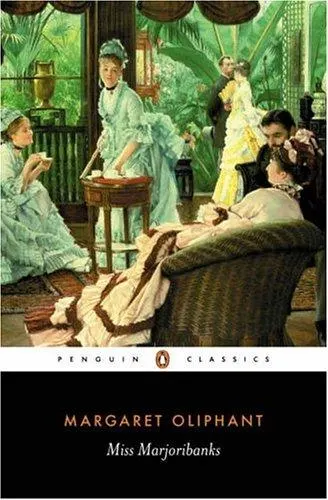
Lucilla Marjoribanks returns to provincial Carlingford determined to become a comfort to her widowed father—and, with magnificent tact, begins arranging the social life of everyone around him. She is neither a conventional schemer nor a sentimental heroine: she is a born administrator whose dinners, invitations, and conversational rescues amount to a form of power.
Oliphant matches Trollope’s gift for showing politics where polite society insists none exist. Lucilla’s campaigns unfold through drawing rooms rather than cathedral offices, but they generate the same delicious collisions among ambition, self-deception, romance, and respectability. Long overshadowed, the Carlingford novels are now recognized as one of the great achievements of Victorian provincial comedy; this is their sparkling centerpiece.

When the head of a Cambridge college is dying, its fellows divide over who should succeed him. Snow follows the contest from whispered soundings to formal votes, making every hesitation, private loyalty, and seemingly neutral remark politically charged.
This is the choice for anyone who especially loved the struggle over Barchester’s appointments. Snow has Trollope’s understanding that institutions are governed not by abstract principles but by alliances among vain, decent, frightened, ambitious people. The comedy is cooler and the pressure more severe, yet the moral fascination is identical: how much compromise can an honorable person tolerate in pursuit of the right result? Often regarded as the finest volume of Snow’s acclaimed Strangers and Brothers sequence, The Masters is one of the great novels of committee-room combat.
If you loved The Warden
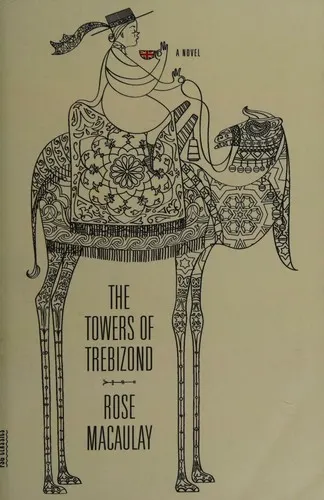
An eccentric aunt, an Anglican mission, and a camel set this novel moving, and its comedy initially seems almost weightless. But Rose Macaulay is doing something rare: treating ecclesiastical absurdity and genuine religious longing as inseparable rather than mutually cancelling.
A reader who admired The Warden’s refusal to reduce conscience to a slogan will recognize the deeper kinship. Macaulay’s narrator is witty, evasive, intelligent, and painfully aware that knowing the good is not the same as choosing it. The novel won the James Tait Black Memorial Prize, but its lasting distinction is tonal: few books travel so naturally from high comedy into spiritual seriousness. Its lightness makes its moral pressure all the more haunting.
If you loved The Small House at Allington
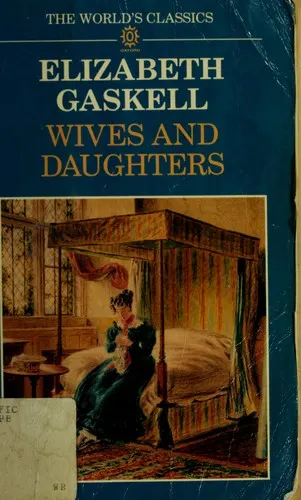
Gaskell offers the same rare pleasure of becoming thoroughly at home among a whole community. Molly Gibson’s emotional education unfolds amid visits, dinners, gossip, family embarrassments, and tiny shifts in allegiance; meanwhile, Gaskell treats vanity and absurdity with an amusement that never cancels compassion.
Like Trollope, she understands that love is shaped by household arrangements, money, reputation, and bad timing—and that apparently secondary figures can become the people one most treasures. Often regarded as Gaskell’s masterpiece, Wives and Daughters has the spaciousness, moral tact, and quietly addictive characterization that make leaving Allington feel like losing a neighborhood.
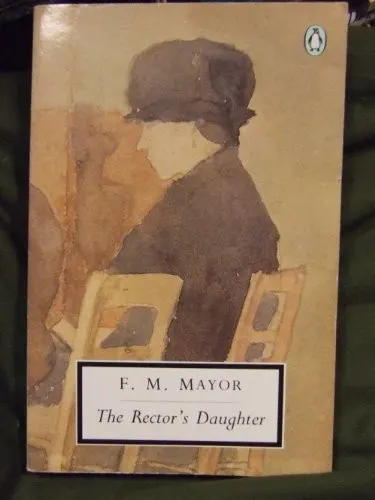
For readers most moved by Lily Dale’s wounded constancy, this is the indispensable choice. Mary Jocelyn is an intelligent, constrained woman whose inward life has gone largely unnoticed in the narrow clerical society around her. When emotional possibility enters that life, Mayor records hope, hesitation, pride, and disappointment with almost frightening precision.
The book is sparer and more melancholy than Trollope, but it shares his refusal to treat an unmarried woman as a problem to be tidily solved. Long cherished as an unjustly neglected twentieth-century classic, The Rector’s Daughter turns an outwardly uneventful existence into a drama of immense moral and emotional consequence. Its quietness is exactly what makes it devastating.
If you loved The Prime Minister
What Trollope does for political duty, Eliot does for reforming ambition. Dorothea Brooke longs to devote herself to something larger than comfort, while the newly arrived doctor Tertius Lydgate hopes to modernize provincial medicine. Around them, money, marriage, family pressure, and reputation quietly determine what idealism can accomplish.
A lover of Plantagenet Palliser will recognize Eliot’s compassion for serious people who are ill-equipped for ordinary happiness. A lover of Glencora will relish the alertness to everything a marriage permits or suppresses. Regularly acclaimed as one of the supreme English novels, Middlemarch earns that standing not through monumentality but through intimacy: it makes every dinner, debt, hesitation, and mistaken judgment part of its moral world.