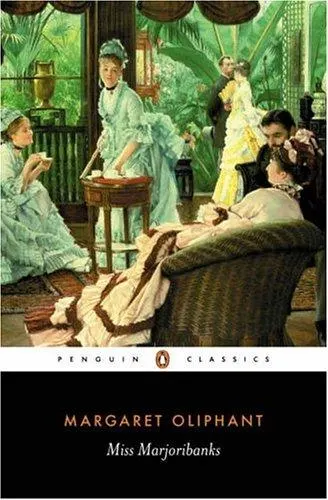
Books like Miss Marjoribanks
Social genius. Miss Marjoribanks delights because Lucilla sees manners, hospitality, and conversation as instruments of power—and because Oliphant treats her campaigns with both admiration and exquisite irony. These novels offer three distinct versions of that pleasure.
If you liked Miss Marjoribanks, you’ll love these
Not lookalikes — kindred books. Each one shares something essential with Miss Marjoribanks, and we tell you exactly what.
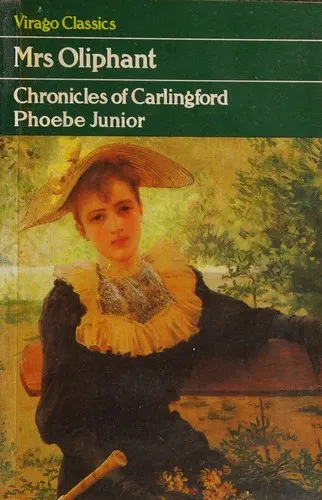
The essential next step. In the final Carlingford novel, Oliphant creates another formidably self-possessed young woman: Phoebe Beecham, educated, socially alert, and able to read a room before everyone else has found a chair.
Phoebe is not Lucilla repeated. Questions of class, religion, money, and sincerity make her calculations more precarious, while Oliphant’s comedy has acquired an extra edge. Often ranked among the strongest Carlingford Chronicles, this is where Oliphant proves that Miss Marjoribanks was not a lucky accident: nobody else made female competence, provincial absurdity, and moral ambiguity work together quite like this.
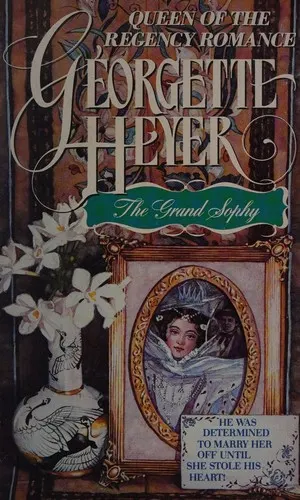
Sophy Stanton-Lacy enters a disorderly household and immediately recognizes that everyone’s supposedly private difficulties are really failures of management. She applies nerve, charm, theatrical timing, and an Olympian disregard for timid convention.
One of Heyer’s most beloved comedies, the novel has the same intoxicating faith in an energetic woman’s ability to rearrange her social world. Sophy’s methods are wilder than Lucilla’s, but the underlying pleasure is identical: watching a heroine understand the rules so thoroughly that she can bend them while everyone else is still insisting they are fixed.
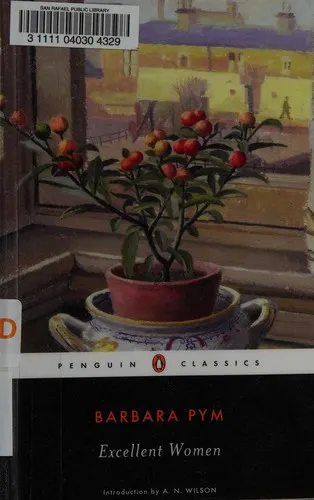
Mildred Lathbury appears to be merely useful: the unmarried woman who makes tea, helps at church, and receives other people’s confidences. Pym gradually reveals how much of communal life depends upon such supposedly peripheral women—and how sharply Mildred observes those who take her for granted.
The comedy is quieter than Oliphant’s but just as exact about status, self-deception, clerical society, and the meanings hidden inside ordinary courtesies. It is easy to see why Philip Larkin became one of Pym’s great champions. Readers return to this novel because every modest sentence contains a flicker of rebellion; missing it would mean missing one of English fiction’s funniest anatomies of underestimated female intelligence.