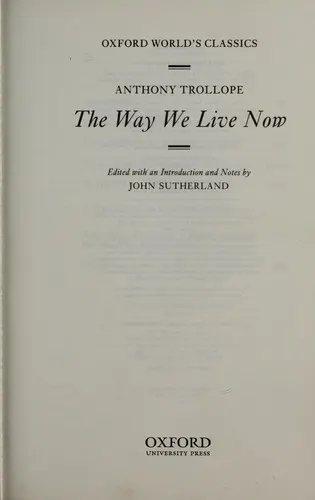
Books like The Way We Live Now
Vanity Fair offers Trollope’s social predation in silk gloves; J R translates it into the static and babble of modern finance. Between them, The Custom of the Country supplies the coldest, most concentrated portrait of appetite as a way of life.
If you liked The Way We Live Now, you’ll love these
Not lookalikes — kindred books. Each one shares something essential with The Way We Live Now, and we tell you exactly what.
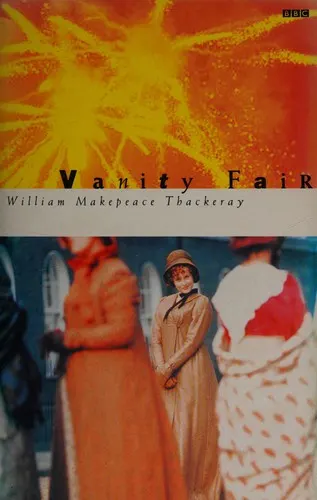
If Trollope’s great pleasure lies in watching an entire society compromise itself around money, Thackeray is his indispensable co-conspirator. Becky Sharp leaves school armed with charm, intelligence, and no intention of accepting the modest place allotted to her. Around her, courtship, friendship, and respectability become forms of bargaining.
Thackeray’s famous “novel without a hero” has the same exhilarating doubleness as The Way We Live Now: it condemns social corruption while delighting in the wit and vitality of its operators. The narrator needles readers for enjoying the very spectacle he exposes, and the huge cast accumulates into a merciless comic panorama. This landmark of English satire is not merely adjacent to Trollope; it is one of the books that makes his achievement legible.
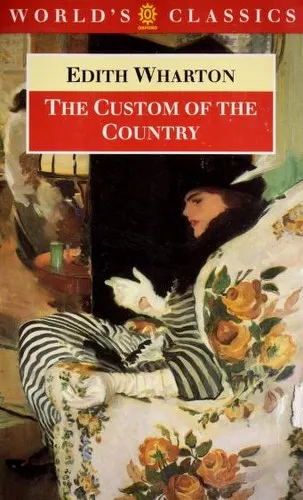
Undine Spragg is what happens when the marriage market produces its perfect consumer. Newly arrived in New York society, she studies people chiefly for the access, admiration, and advancement they might provide. Wharton never softens her, yet makes her energy horribly compelling.
A lover of Trollope will recognize the exact accounting of status: who may visit whom, what a name is worth, how taste becomes currency, and how romantic language disguises acquisition. But Wharton is leaner and icier; every polished sentence closes like a trap. Long overshadowed by her better-known novels, The Custom of the Country is now widely cherished as one of her fiercest achievements—and Undine as one of fiction’s unforgettable social predators.
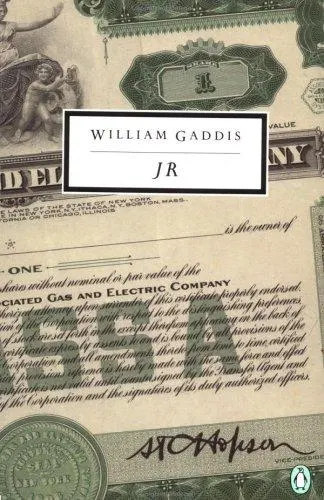
Gaddis takes Trollope’s insight—that financial confidence can become more powerful than reality—and unleashes it on twentieth-century America. An eleven-year-old schoolboy, learning the rudiments of investing, begins assembling a business empire through telephones, paperwork, leverage, and other people’s credulity.
Almost entirely composed of overlapping dialogue, J R initially feels chaotic; soon its voices become a prodigious comic orchestra of executives, teachers, lawyers, artists, and functionaries talking past one another while money acquires a life of its own. Like Melmotte’s world, this one implicates far more than a single rogue: fraud flourishes because respectable institutions already speak its language. Gaddis’s National Book Award-winning masterpiece demands attention, but its devotees treasure it as one of the funniest and most devastating American novels about capitalism. Trollope readers willing to meet it halfway may find their modern epic.