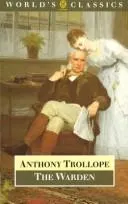
Books like The Warden
After its last quiet page, one longs for more comedy that cherishes human decency without pretending it is simple—and for moral conflicts in which no one has the whole truth.
If you liked The Warden, you’ll love these
Not lookalikes — kindred books. Each one shares something essential with The Warden, and we tell you exactly what.
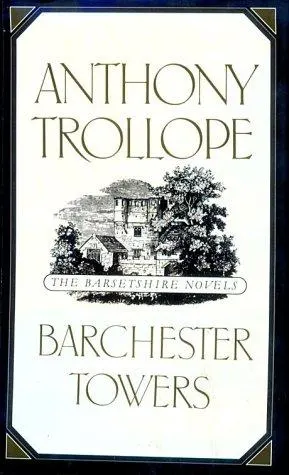
The natural next step is also one of Trollope’s great comic achievements. Mr Harding remains part of the story, but the close of one bishop’s reign brings Barchester a formidable new household: the domineering Mrs Proudie and the oily, ambitious chaplain Obadiah Slope.
The Warden’s quiet dispute expands into a brilliant contest over power, patronage, conscience, and clerical office. Yet Trollope still distinguishes weakness from wickedness and absurdity from worthlessness. His characters can be ridiculous without forfeiting his affection—or ours. More bustling and openly comic than The Warden, Barchester Towers reveals how much life Trollope could draw from the moral pressures already present in that slender first novel.
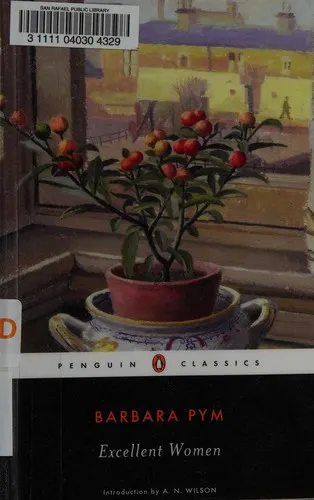
Mildred Lathbury is one of literature’s indispensable, taken-for-granted people: an unmarried clergyman’s daughter whom everyone expects to manage jumble sales, offer tea, absorb confidences, and repair other people’s disorder. Her dry first-person voice makes these obligations extremely funny while gradually exposing their cost.
Like Trollope, Pym understands that a parish is both a spiritual community and a miniature political system, sustained by vanity, kindness, appetite, convention, and invisible labor. Her irony is exact but never cruel. Long neglected, Pym was famously championed by Philip Larkin and Lord David Cecil before enjoying a major revival; Excellent Women shows why her readers become so devoted. Few novels make self-effacement so entertaining—or examine it so searchingly.
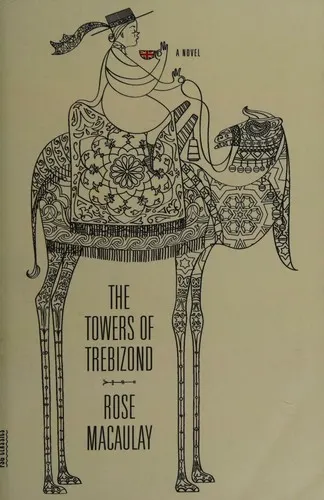
An eccentric aunt, an Anglican mission, and a camel set this novel moving, and its comedy initially seems almost weightless. But Rose Macaulay is doing something rare: treating ecclesiastical absurdity and genuine religious longing as inseparable rather than mutually cancelling.
A reader who admired The Warden’s refusal to reduce conscience to a slogan will recognize the deeper kinship. Macaulay’s narrator is witty, evasive, intelligent, and painfully aware that knowing the good is not the same as choosing it. The novel won the James Tait Black Memorial Prize, but its lasting distinction is tonal: few books travel so naturally from high comedy into spiritual seriousness. Its lightness makes its moral pressure all the more haunting.