Books like J R
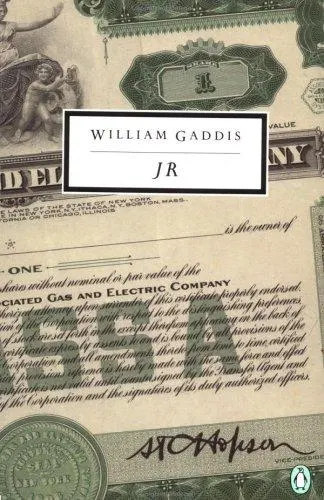
After J R, ordinary realism can seem suspiciously quiet: what satisfies now is fiction that turns verbal noise into music, exposes institutions as runaway human inventions, and makes bewilderment exhilarating.
If you liked J R, you’ll love these
Not lookalikes — kindred books. Each one shares something essential with J R, and we tell you exactly what.
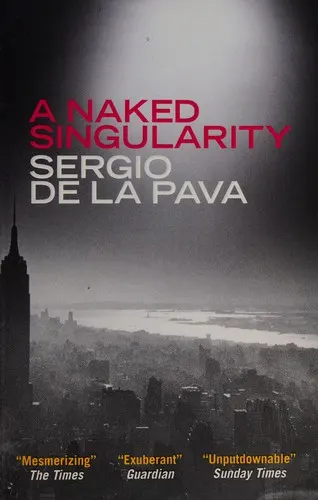
Casi, an overworked New York public defender, moves through courtrooms where law has become an improvisation conducted at punishing speed. The dialogue crackles, digresses and collides; intellectual arguments, workplace absurdity and urban chaos keep threatening to overwhelm the story even as they propel it.
Like Gaddis, De La Pava understands systems as both ridiculous and terrifying: nobody fully controls them, yet everyone learns to speak their language. The novel’s audacity earned it a remarkable passage from self-publication to the PEN/Robert W. Bingham Prize. It is one of the few post-Gaddis maximalist novels with comparable comic velocity—and its own unmistakable moral pressure.
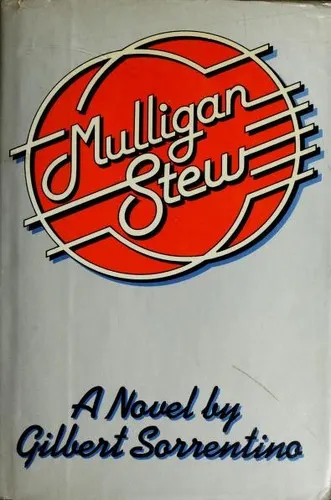
This cult masterpiece begins with a bad novelist attempting to write a murder mystery using characters borrowed from other writers. From there, Sorrentino constructs a mutiny of forms: letters, notebooks, questionnaires, lists, scraps of manuscripts and voices that sabotage one another.
A reader who loved piecing J R together without a supervising narrator will relish how Mulligan Stew makes confusion participatory. Its satire of literary ambition is savage, but the real pleasure is inexhaustible invention: every discarded cliché becomes material for another joke or formal ambush. Since its 1979 publication, its reputation among writers and adventurous readers has only deepened. Skipping it means missing one of American metafiction’s funniest and most gloriously unmanageable performances.
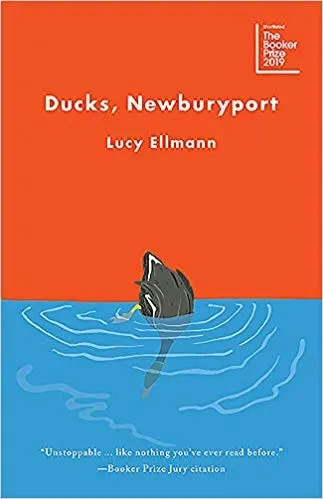
Lucy Ellmann transforms the anxious thoughts of an Ohio baker and mother into a vast, nearly unbroken sentence. Advertising slogans, recipes, films, family memories, political dread and verbal tics circulate through her mind until contemporary America seems to be speaking through one person.
Where J R builds its world from overheard conversation, Ellmann builds hers from consciousness colonized by everything it has heard. The result is not merely a stunt: beneath the comedy and obsessive repetition lies fierce attention to care, vulnerability and the cost of remaining human amid relentless commercial and informational noise. Winner of the Goldsmiths Prize and shortlisted for the Booker, Ducks, Newburyport proves that maximalism can be intimate as well as monumental. Once its rhythm takes hold, its thousand pages feel less excessive than necessary.