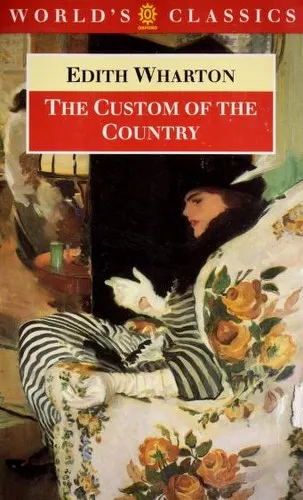
Books like The Custom of the Country
What if the woman society condemns as monstrous has merely understood its values better than everyone else? These novels share Wharton’s exhilaration in watching appetite, money, and self-deception strip respectable society of its alibis.
If you liked The Custom of the Country, you’ll love these
Not lookalikes — kindred books. Each one shares something essential with The Custom of the Country, and we tell you exactly what.
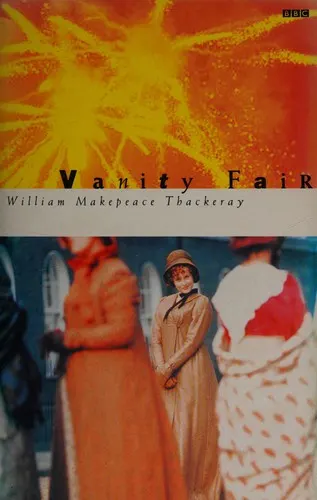
Becky Sharp is Undine Spragg’s great literary ancestor: intelligent, unsentimental, and unwilling to accept the modest destiny assigned to her. From the moment she leaves school, she treats society not as a moral order but as a game whose rules can be exploited.
What makes Vanity Fair an essential companion to Wharton is its wider indictment. Becky is ruthless, but the supposedly respectable people around her are vain, acquisitive, and easily manipulated; her success exposes them. Thackeray’s insinuating narrator makes readers enjoy judgments they may later regret. Few novels have exerted more influence on the social-climbing antiheroine, and Undine’s admirers should meet the woman who helped make her possible.
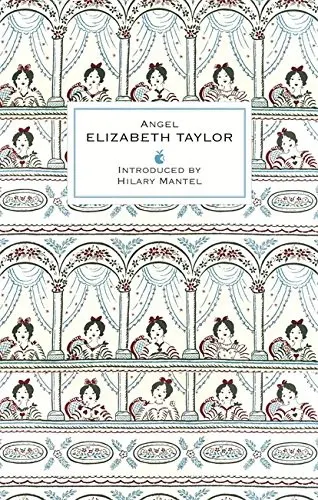
Angelica Deverell, a provincial girl possessed by grandiose literary dreams, has Undine’s magnificent immunity to embarrassment. She does not perceive the gulf between her fantasies and reality, and that blindness becomes a formidable source of power. Taylor renders her with merciless comic precision while preserving the mystery of how sheer self-belief can bend other lives around it.
Elizabeth Taylor is cherished by novelists for her psychological exactness, and Angel is among her boldest creations: funny, grotesque, unexpectedly moving, and utterly unlike the tasteful domestic fiction its setting initially suggests. If Undine’s indestructibility delighted you—even as it appalled you—Angel will feel like the discovery of another irresistible natural force.
Aroon St Charles believes that breeding and “good behaviour” can keep every ugliness safely unnamed. The reader understands almost immediately that her decorous account is concealing catastrophe from everyone except herself. Molly Keane turns table manners, euphemisms, and family rituals into instruments of devastating irony.
Where Wharton exposes the barbarism beneath modern social ambition, Keane exposes the violence beneath aristocratic composure. Her comedy is darker and more intimate, built from everything the narrator cannot admit. Booker-shortlisted on publication and now regarded as Keane’s masterpiece, Good Behaviour delivers the rare pleasure of a novel whose every courteous sentence tightens the trap.