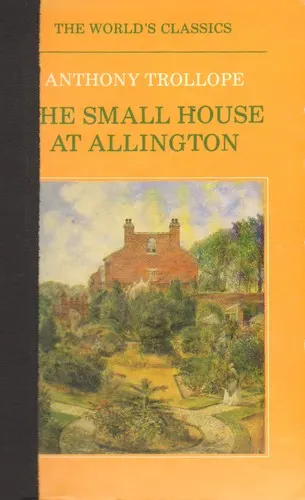
Books like The Small House at Allington
To read The Small House at Allington is to settle into a companionable social world and then discover, almost too late, how much heartbreak its drawing-room comedy contains. Trollope makes pride, constancy, money, and self-deception feel inseparable from everyday life—and leaves even his foolish characters recognizably human.
If you liked The Small House at Allington, you’ll love these
Not lookalikes — kindred books. Each one shares something essential with The Small House at Allington, and we tell you exactly what.
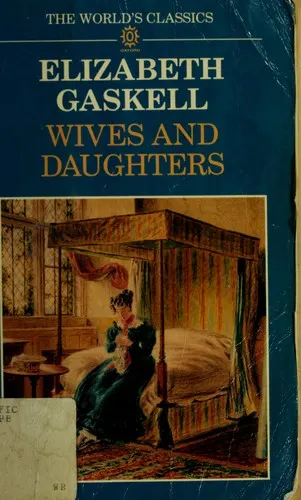
Gaskell offers the same rare pleasure of becoming thoroughly at home among a whole community. Molly Gibson’s emotional education unfolds amid visits, dinners, gossip, family embarrassments, and tiny shifts in allegiance; meanwhile, Gaskell treats vanity and absurdity with an amusement that never cancels compassion.
Like Trollope, she understands that love is shaped by household arrangements, money, reputation, and bad timing—and that apparently secondary figures can become the people one most treasures. Often regarded as Gaskell’s masterpiece, Wives and Daughters has the spaciousness, moral tact, and quietly addictive characterization that make leaving Allington feel like losing a neighborhood.
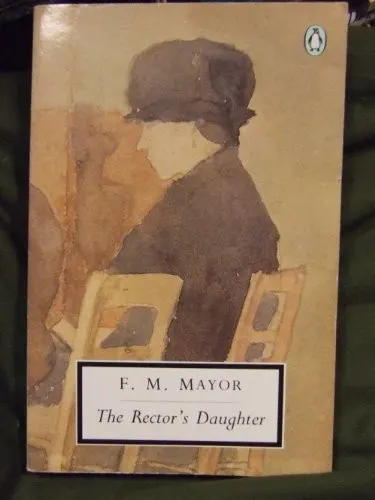
For readers most moved by Lily Dale’s wounded constancy, this is the indispensable choice. Mary Jocelyn is an intelligent, constrained woman whose inward life has gone largely unnoticed in the narrow clerical society around her. When emotional possibility enters that life, Mayor records hope, hesitation, pride, and disappointment with almost frightening precision.
The book is sparer and more melancholy than Trollope, but it shares his refusal to treat an unmarried woman as a problem to be tidily solved. Long cherished as an unjustly neglected twentieth-century classic, The Rector’s Daughter turns an outwardly uneventful existence into a drama of immense moral and emotional consequence. Its quietness is exactly what makes it devastating.
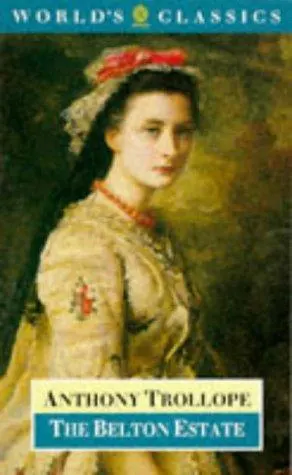
The Belton Estate distills Trollope’s great strengths into one compact, exceptionally satisfying novel. Clara Amedroz faces insecure prospects and competing claims upon her affections, but the real fascination lies in Trollope’s patient testing of character: who confuses persistence with generosity, who behaves well when hurt, and how gratitude can complicate love.
Its people are never fixed as heroes or villains. They reveal themselves through awkward conversations, impulsive proposals, practical kindnesses, and revisions of judgment—the very moral texture that makes The Small House at Allington so absorbing. Less sprawling than the Barsetshire books but every bit as shrewd, it is one of Trollope’s finest demonstrations that ordinary courtship can carry the suspense of a crisis of conscience.