Author
Books like Victor Hugo
5 books we recommend to Victor Hugo readers, drawn from Les Misérables and The Hunchback of Notre-Dame — each with the reason why.
If you loved Les Misérables
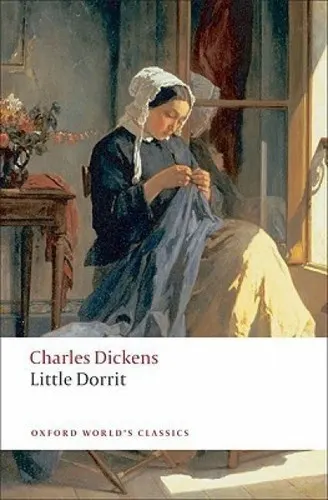
Dickens matches Hugo’s gift for making an institution feel like both a physical place and a moral disease. Amy Dorrit grows up in the Marshalsea debtors’ prison, while beyond its walls London teems with officials, financiers, parasites, eccentrics, and people practicing quiet kindness.
The comedy is sharper and stranger than Hugo’s, but beneath it lies the same fury at systems that punish poverty while protecting privilege. Its vast cast gradually locks into place with extraordinary precision, and Amy’s unadvertised goodness has something of Jean Valjean’s power: it exposes the moral poverty of everyone who mistakes status for worth. Often counted among Dickens’s richest late novels, Little Dorrit offers the rare pleasure of a social panorama with a tender human pulse.
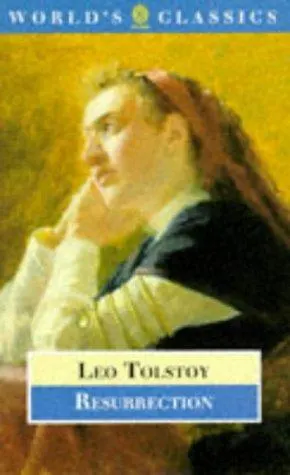
A nobleman serving on a jury recognizes the accused woman as someone he grievously wronged years before. From that shock, Tolstoy builds a fierce novel about guilt becoming responsibility—not as a private feeling, but as a demand for action.
This is perhaps the closest match for readers moved by Valjean’s moral transformation and Hugo’s insistence that law and justice are not the same thing. Tolstoy takes the reader through courts, prisons, estates, and bureaucracies, stripping respectable society of its excuses while refusing to reduce the condemned to symbols. His final novel, Resurrection has the force of a great writer putting his whole reputation behind an indictment. It is less celebrated than War and Peace, but for a lover of Les Misérables it may strike even closer to the heart.

Steinbeck begins with dust settling over ruined Oklahoma fields and a family being pushed from its land. He then alternates their intimate struggle with sweeping, almost biblical interludes about banks, hunger, migration, and the machinery that turns suffering into profit.
That movement between individual lives and the fate of a whole people is pure Hugo in spirit. Steinbeck can be wrathful, sentimental, comic, documentary, and prophetic—sometimes within a few pages—and he shares Hugo’s unfashionable conviction that compassion should be enormous rather than tasteful. The novel won the Pulitzer Prize and helped secure Steinbeck’s lasting stature, but its real authority comes from how fiercely readers continue to carry the Joad family with them. If Les Misérables made poverty feel epic without making it abstract, The Grapes of Wrath performs the same miracle in an American key.
If you loved The Hunchback of Notre-Dame
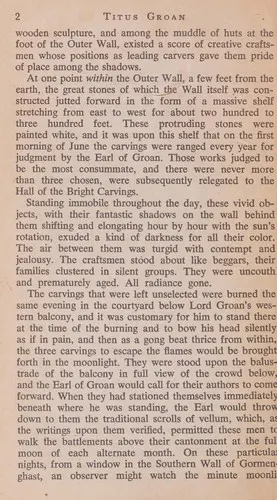
Gormenghast Castle dominates this novel as completely as Notre-Dame dominates Hugo’s: not as a backdrop, but as an ancient organism whose stones, ceremonies, and hidden passages shape everyone inside it. Peake fills the castle with grotesques who initially seem like caricatures, then reveals their loneliness, vanity, hunger, and capacity for suffering.
His lush, shadow-heavy prose makes rooms and faces almost unnervingly tangible, while the young kitchen boy Steerpike brings dangerous ambition into Gormenghast’s rigid order. The result is funny, macabre, compassionate, and magnificently strange. The opening volume of Peake’s revered Gormenghast sequence, Titus Groan is one of the rare novels whose architecture and inhabitants achieve the force of myth.
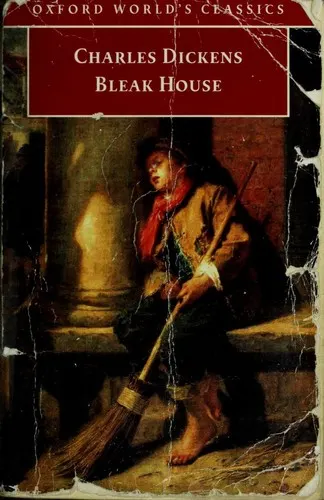
If you loved Hugo’s ability to embrace an entire city—from the powerful to the despised—Bleak House offers a similarly panoramic act of imagination. Dickens moves between a young woman’s intimate narration and a colder, sweeping voice that watches London’s fog seep through streets, drawing rooms, slums, and the interminable Court of Chancery.
Like Hugo, Dickens combines melodrama, satire, social fury, startling coincidences, and fierce tenderness toward people whom respectable society prefers not to see. Its enormous cast never feels merely decorative: each comic eccentricity belongs to a web of dependence and neglect. Often judged among Dickens’s supreme achievements, Bleak House turns institutional cruelty into something atmospheric—and makes compassion feel like the only light capable of penetrating it.