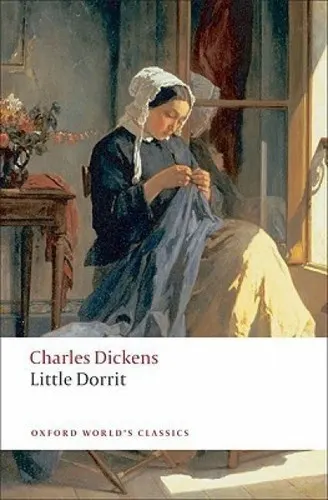
Books like Little Dorrit
In Little Dorrit, the Marshalsea’s walls are only the visible part of the prison: bureaucracy, money, family obligation, and shame keep almost everyone else confined just as effectively.
If you liked Little Dorrit, you’ll love these
Not lookalikes — kindred books. Each one shares something essential with Little Dorrit, and we tell you exactly what.
If Merdle’s prestige and the Circumlocution Office made you laugh with mounting horror, Trollope’s great social satire is indispensable. Augustus Melmotte arrives in London trailing rumors of immense wealth, and society swiftly decides that asking where the money came from would be vulgar. Around him orbit speculators, politicians, aristocrats, and Lady Carbury, who manufactures literary fame through strategic flattery.
Trollope lacks Dickens’s phantasmagoric grotesques, but he is even more exact about the tiny accommodations by which dishonesty becomes respectable. Widely regarded as his fiercest novel, The Way We Live Now turns financial credulity, social climbing, and self-deception into a vast comedy of compromised judgment. It is the novel to read if Little Dorrit convinced you that a society’s institutions are merely its private vanities enlarged.
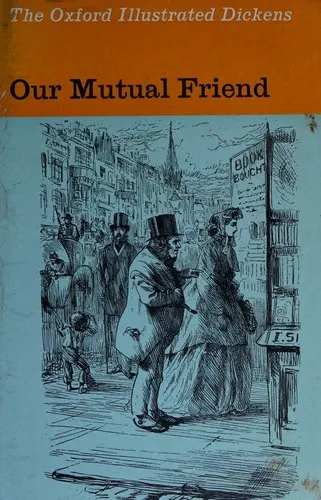
Dickens’s last completed novel returns to the moral territory of Little Dorrit with an even stranger, murkier imagination. A body found in the Thames, an inheritance built from London’s refuse, and a marriage stipulated in a will set money circulating through the book like a contaminant. The Veneerings’ gleaming emptiness recalls the Merdle world, while Silas Wegg belongs among Dickens’s most insinuating comic predators.
Yet the novel’s real kinship with Little Dorrit lies in its suspicion of fixed identities. People are imprisoned by the roles others assign them—heir, gentleman, servant, commodity—and salvation begins in seeing someone without the price tag. Its river fog, dust heaps, predatory dinners, and unexpected tenderness make it one of Dickens’s richest late achievements. Anyone who loves the darkness surrounding Amy and Arthur should not leave Dickens without entering this final, glitteringly corrupt London.
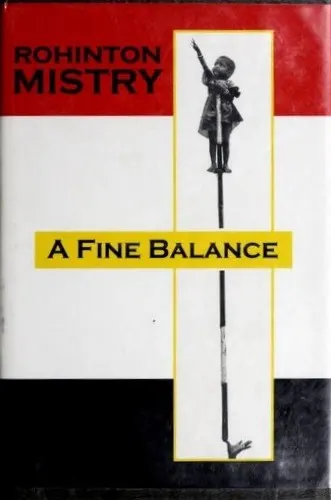
What if the quality you most cherish in Little Dorrit is its refusal to let institutional cruelty erase individual tenderness? Mistry’s novel brings four sharply different people together in an Indian city during the Emergency of the 1970s. Their improvised household becomes a place of quarrels, jokes, work, food, and precarious fellowship while political power presses brutally into ordinary life.
Mistry has Dickens’s gift for crowded social vision: minor figures arrive fully alive, comedy survives beside suffering, and public injustice is felt through rent, employment, bodily safety, and the possibility of trusting another person. Winner of the Giller Prize and shortlisted for the Booker, A Fine Balance inspires unusually fierce devotion because its compassion is never sentimental or easy. It is harrowing, but a reader moved by Little Dorrit’s belief that kindness can remain morally significant inside a crushing system may find it unforgettable.