
Books like Les Misérables
Les Misérables can turn a pair of candlesticks, a barricade, or even the Paris sewers into parts of one immense argument: society crushes people, yet mercy can remake them.
If you liked Les Misérables, you’ll love these
Not lookalikes — kindred books. Each one shares something essential with Les Misérables, and we tell you exactly what.
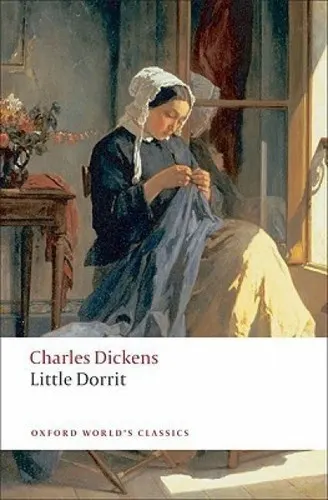
Dickens matches Hugo’s gift for making an institution feel like both a physical place and a moral disease. Amy Dorrit grows up in the Marshalsea debtors’ prison, while beyond its walls London teems with officials, financiers, parasites, eccentrics, and people practicing quiet kindness.
The comedy is sharper and stranger than Hugo’s, but beneath it lies the same fury at systems that punish poverty while protecting privilege. Its vast cast gradually locks into place with extraordinary precision, and Amy’s unadvertised goodness has something of Jean Valjean’s power: it exposes the moral poverty of everyone who mistakes status for worth. Often counted among Dickens’s richest late novels, Little Dorrit offers the rare pleasure of a social panorama with a tender human pulse.
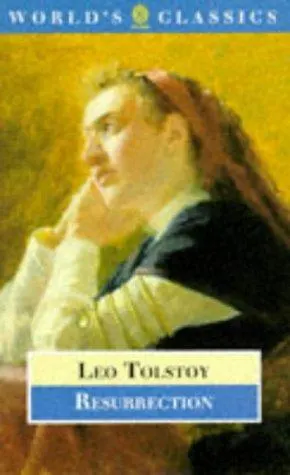
A nobleman serving on a jury recognizes the accused woman as someone he grievously wronged years before. From that shock, Tolstoy builds a fierce novel about guilt becoming responsibility—not as a private feeling, but as a demand for action.
This is perhaps the closest match for readers moved by Valjean’s moral transformation and Hugo’s insistence that law and justice are not the same thing. Tolstoy takes the reader through courts, prisons, estates, and bureaucracies, stripping respectable society of its excuses while refusing to reduce the condemned to symbols. His final novel, Resurrection has the force of a great writer putting his whole reputation behind an indictment. It is less celebrated than War and Peace, but for a lover of Les Misérables it may strike even closer to the heart.

Steinbeck begins with dust settling over ruined Oklahoma fields and a family being pushed from its land. He then alternates their intimate struggle with sweeping, almost biblical interludes about banks, hunger, migration, and the machinery that turns suffering into profit.
That movement between individual lives and the fate of a whole people is pure Hugo in spirit. Steinbeck can be wrathful, sentimental, comic, documentary, and prophetic—sometimes within a few pages—and he shares Hugo’s unfashionable conviction that compassion should be enormous rather than tasteful. The novel won the Pulitzer Prize and helped secure Steinbeck’s lasting stature, but its real authority comes from how fiercely readers continue to carry the Joad family with them. If Les Misérables made poverty feel epic without making it abstract, The Grapes of Wrath performs the same miracle in an American key.