Author
Books like Jeanette Winterson
8 books we recommend to Jeanette Winterson readers, drawn from Oranges Are Not the Only Fruit, Sexing the Cherry and The Passion — each with the reason why.
If you loved Oranges Are Not the Only Fruit
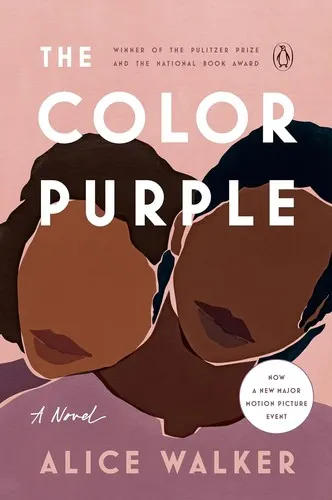
Like Winterson, Walker makes a supposedly humble voice powerful enough to challenge family, scripture, and the authority of men. Celie’s letters begin under the shadow of a punitive God, but her language gradually enlarges as she discovers desire, fellowship, anger, and a spirituality she can inhabit without surrendering herself.
The Pulitzer Prize–winning novel is devastating, but its lasting force comes from its exuberance: jokes, gossip, sensuality, and hard-won delight. Readers who loved how Oranges turns queer self-discovery into a revision of the sacred will find here another unforgettable act of linguistic and spiritual reclamation.
Molly Bolt has Jeanette’s irrepressible conviction that other people’s categories are their problem. Poor, adopted, intellectually ravenous, and openly attracted to women, she meets every attempt to shame her with insolence, ingenuity, and a devastating punch line.
Published in 1973, Rubyfruit Jungle became a landmark of lesbian fiction because it refused tragedy, apology, and respectable victimhood. Its structure is less fabulist than Winterson’s, but its propulsion is strikingly similar: a gifted outsider talks herself past every gatekeeper. Molly’s audacity is so infectious that not meeting her feels like declining a dare.
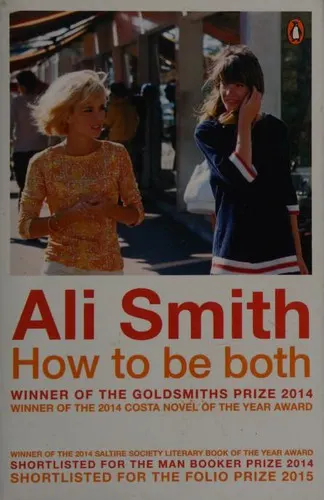
This is the choice for readers who loved the fairy tales, sermons, temporal leaps, and sly arguments hidden inside Winterson’s coming-of-age narrative. Smith intertwines a contemporary teenage girl with a Renaissance painter; editions were printed in two different orders, so neither story is permitted to become the other’s supporting act. Identity, gender, art, grief, and desire remain gloriously unsettled.
Smith shares Winterson’s faith that formal play can carry real emotional urgency. Her sentences pivot from jokes to sorrow with startling speed, while images and phrases cross between the novel’s halves like secret messages. Winner of the Goldsmiths, Costa Novel, and Baileys prizes and shortlisted for the Booker, How to Be Both is not merely clever: it makes doubleness feel like a richer, freer way of being alive.
If you loved Sexing the Cherry
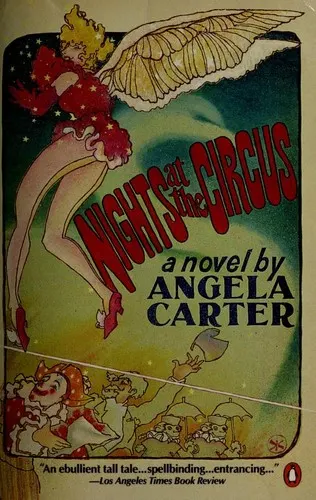
Few novels match Winterson’s combination of intellectual play, physical extravagance and bawdy delight as closely as Carter’s exuberant masterpiece. Its heroine, Fevvers, is a celebrated aerialist who may—or may not—have wings, and her account of herself continually wrong-foots the journalist trying to pin down the facts.
Like the Dog-Woman, Fevvers is too magnificent for ordinary ideas of femininity, realism or good taste. Carter makes spectacle politically potent: tall tales expose the assumptions hidden inside respectable history. Winner of the James Tait Black Memorial Prize and now one of Carter’s defining novels, Nights at the Circus offers that rarest pleasure—a book whose wildness is also its precision.
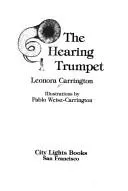
Marian Leatherby is ninety-two, nearly toothless and presented with a hearing trumpet just in time to discover that her family intends to send her away. From that wonderfully dry beginning, Carrington ushers her into a world of sinister institutions, occult histories and increasingly sublime disorder.
What will delight a Winterson reader is the novel’s refusal to make women decorous, plausible or small. Old age becomes a gateway to adventure; absurdity becomes liberation. Long cherished as a cult classic, The Hearing Trumpet has acquired generations of devoted readers because it feels genuinely ungovernable—funny, visionary and gleefully hostile to common sense.
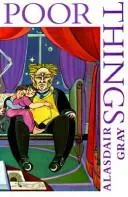
Poor Things arrives disguised as a recovered Victorian document, complete with editorial apparatus, contradictory testimony and Gray’s extraordinary illustrations. At its center is Bella Baxter, whose voracious appetite for experience threatens every man who attempts to define her story for her.
Gray shares Winterson’s suspicion that official narratives—especially those concerning women, sex and progress—are elaborate acts of possession. The novel keeps changing the ground beneath the reader: Gothic fantasy collides with social satire, while competing versions of Bella expose how storytelling manufactures authority. Winner of both the Whitbread Novel Award and the Guardian Fiction Prize, it is audacious, filthy-minded and formally ingenious—the sort of book that makes conventional historical fiction seem timid afterward.
If you loved The Passion
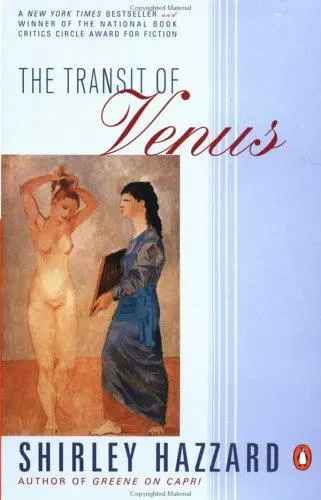
Two Australian sisters arrive in postwar England, where love, class and chance begin shaping their lives. Hazzard’s world appears realistic, but her audacious narration makes time feel almost supernatural: a sentence may suddenly disclose the future, turning an ordinary encounter into fate.
Like Winterson, Hazzard writes in polished, quotable flashes and treats romantic obsession as both revelation and self-deception. The novel’s social comedy is exquisitely sharp, but beneath it lies the dangerous conviction that love can become a private mythology. Winner of the National Book Critics Circle Award and now widely regarded as Hazzard’s masterpiece, it offers the rare pleasure of a novel whose every sentence seems to know more than its characters do.
After catastrophe overturns her former life, Agnes DeWitt assumes the identity of Father Damien Modeste and serves an Ojibwe community in North Dakota. Erdrich does not reduce this transformation to a disguise: it becomes a profound inquiry into gender, vocation, bodily longing and the stories through which a person becomes real.
This is the match for readers who loved the spiritual ache beneath The Passion’s playfulness. Miracles and absurdities enter without fanfare; history is intimate, contested and carried by many voices; love repeatedly exceeds the names religion or society gives it. A National Book Award finalist and one of the most cherished novels in Erdrich’s formidable body of work, it is expansive where Winterson is compressed, but comparably fearless about the borderlands between faith and invention, identity and performance.