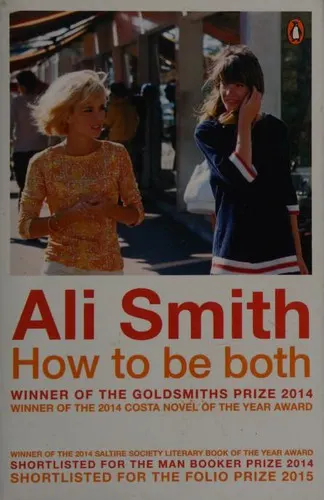
Books like How to Be Both
If what captivated you was Ali Smith’s ability to make form, art, identity, and grief illuminate one another, these three novels offer equally exhilarating transformations of how a story can be told.
If you liked How to Be Both, you’ll love these
Not lookalikes — kindred books. Each one shares something essential with How to Be Both, and we tell you exactly what.
Johnson’s cult masterpiece arrives as loose sections in a box: only the first and last are fixed, while the rest may be read in any order. That is not a stunt. The narrator, visiting a city to report on a football match, finds memories of a dead friend surfacing unpredictably; the shuffled form reproduces the unruly movement of grief.
Like How to Be Both, it makes reading order part of the novel’s meaning. Chance creates echoes, time folds over itself, and formal play becomes unexpectedly intimate. A landmark of British experimental fiction, The Unfortunates is one of those rare books whose physical design reveals something emotionally true that conventional narration cannot.
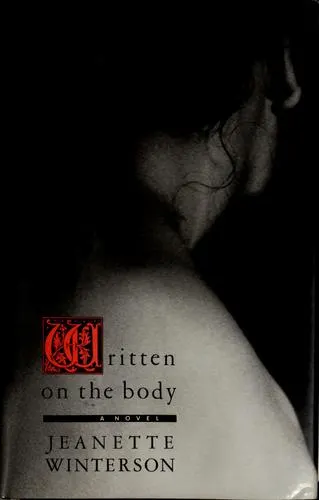
Winterson never discloses the sex or gender of the narrator who tells this story of consuming love. The omission opens rather than empties the character: every assumption the reader makes becomes visible, unstable, and newly questionable.
A lover of Ali Smith’s fluid treatment of gender will recognize the freedom here, but also the sensuous intelligence. Winterson turns anatomy into lyric, desire into interpretation, and the beloved body into something like a text—studied closely yet never possessed completely. Published in 1992, Written on the Body remains one of Winterson’s defining novels because its daring feels inseparable from its emotional force.
An unnamed woman in Buenos Aires looks at paintings and tells stories: about her family, her anxieties, artists’ lives, and the strange ways an image can lodge inside a person. Gainza moves lightly between fiction, memoir-like confession, and art criticism, making each painting feel less like an object to decode than a living presence.
Readers who loved the frescoes in How to Be Both—and Smith’s conviction that looking is an active, intimate exchange—will find this irresistible. In Thomas Bunstead’s supple translation, Gainza’s short novel is witty, erudite, and wonderfully unacademic. It changes your attention: afterward, galleries, reproductions, and even remembered pictures seem charged with secret personal histories.