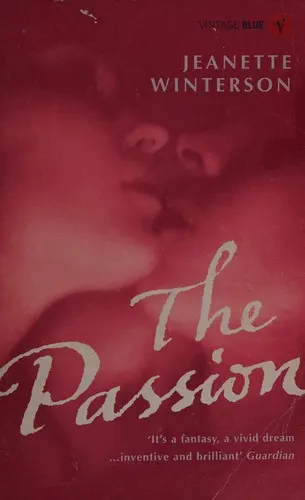
Books like The Passion
Shirley Hazzard’s The Transit of Venus has none of Winterson’s overt magic, yet it understands the same unsettling truth: passion does not make life clearer; it rearranges reality. Together, these three novels match Winterson’s fatalism, sensuous language and delight in stories that refuse to behave like facts.
If you liked The Passion, you’ll love these
Not lookalikes — kindred books. Each one shares something essential with The Passion, and we tell you exactly what.
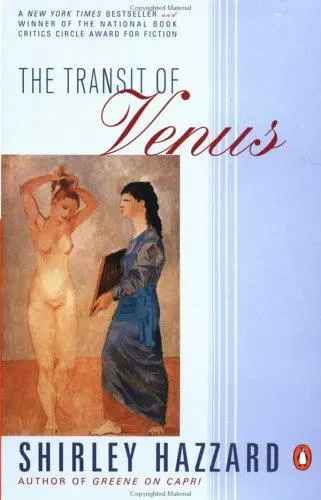
Two Australian sisters arrive in postwar England, where love, class and chance begin shaping their lives. Hazzard’s world appears realistic, but her audacious narration makes time feel almost supernatural: a sentence may suddenly disclose the future, turning an ordinary encounter into fate.
Like Winterson, Hazzard writes in polished, quotable flashes and treats romantic obsession as both revelation and self-deception. The novel’s social comedy is exquisitely sharp, but beneath it lies the dangerous conviction that love can become a private mythology. Winner of the National Book Critics Circle Award and now widely regarded as Hazzard’s masterpiece, it offers the rare pleasure of a novel whose every sentence seems to know more than its characters do.
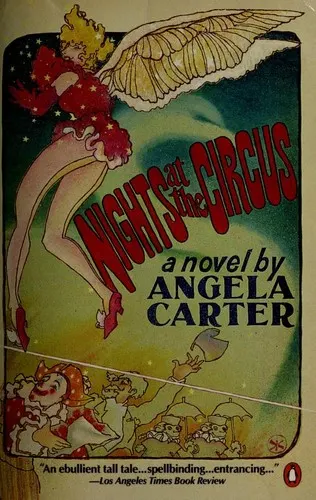
Sophie Fevvers—music-hall celebrity, magnificent liar and purported winged woman—begins telling her life story to an American journalist determined to expose her. From that irresistible premise, Carter makes history into a gaudy theatrical performance where identities are invented, desire is unruly and the distinction between truth and storytelling becomes gloriously useless.
A lover of Villanelle’s bravado and Winterson’s conspiratorial voice will immediately recognize the appeal. Carter’s prose is more baroque and bawdy, but it has the same appetite for paradox, metamorphosis and women who refuse the reality assigned to them. The novel won the James Tait Black Memorial Prize and became a landmark of feminist fabulism; few books make intellectual freedom feel so much like running away with the circus.
After catastrophe overturns her former life, Agnes DeWitt assumes the identity of Father Damien Modeste and serves an Ojibwe community in North Dakota. Erdrich does not reduce this transformation to a disguise: it becomes a profound inquiry into gender, vocation, bodily longing and the stories through which a person becomes real.
This is the match for readers who loved the spiritual ache beneath The Passion’s playfulness. Miracles and absurdities enter without fanfare; history is intimate, contested and carried by many voices; love repeatedly exceeds the names religion or society gives it. A National Book Award finalist and one of the most cherished novels in Erdrich’s formidable body of work, it is expansive where Winterson is compressed, but comparably fearless about the borderlands between faith and invention, identity and performance.