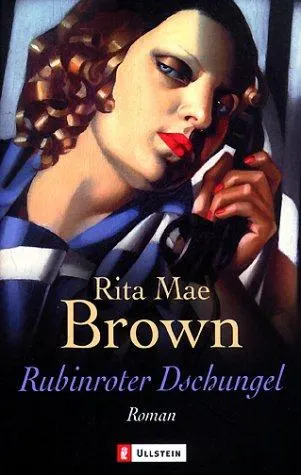
Books like Rubyfruit Jungle
Molly Bolt’s great talent is turning everything meant to shame her—poverty, ambition, desire, sheer unruliness—into fuel for a life lived on her own terms.
If you liked Rubyfruit Jungle, you’ll love these
Not lookalikes — kindred books. Each one shares something essential with Rubyfruit Jungle, and we tell you exactly what.
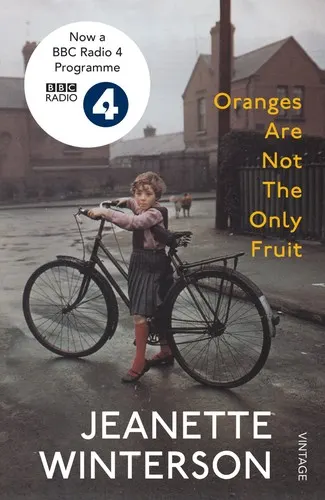
Winterson gives Molly a worthy transatlantic counterpart: a fiercely intelligent girl who discovers that the people claiming divine authority over her cannot control either her imagination or her desire. The novel’s comedy is sharper and stranger than its reputation as a coming-out story suggests; sermons, fairy tales, family lore, and deadpan rebellion all collide.
Winner of the Whitbread First Novel Award, it became a landmark because Winterson made liberation feel formally exhilarating, not merely dutiful. If you loved Rubyfruit Jungle for the thrill of watching a young woman outtalk the world built to contain her, this is indispensable.
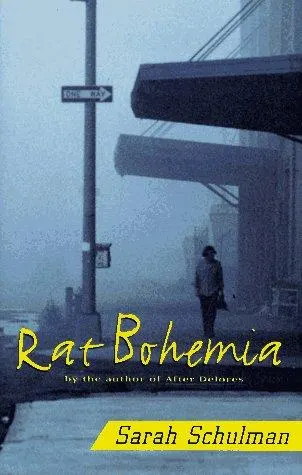
This is the recommendation for readers who cherish Rubyfruit Jungle’s class anger as much as its sexual defiance. Schulman writes about queer New Yorkers living beyond the reach of respectable society, with rats, bad jobs, family estrangement, and the AIDS crisis pressing in from every side. Her characters are funny without being cute and furious without becoming abstractions.
Rat Bohemia won a Stonewall Book Award, but its real distinction is its undomesticated voice: intimate, abrasive, politically alert, and allergic to hypocrisy. Molly Bolt would recognize its conviction that queer life need not become polite to become valuable.
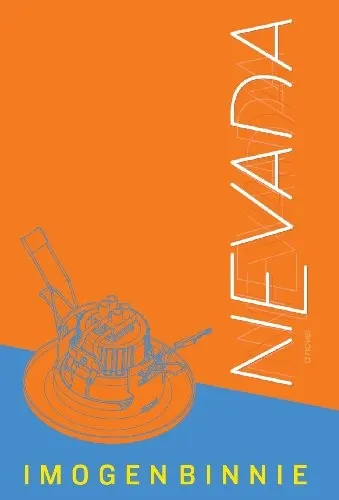
Maria Griffiths is messy, incisive, self-sabotaging, and capable of seeing through almost every social performance except her own. Binnie gives her the kind of voice that made Molly Bolt unforgettable: profane, argumentative, charismatic, and unwilling to serve as anyone’s model minority.
First published by a small trans-led press, Nevada grew through passionate word of mouth into one of the most influential trans novels of its generation, eventually receiving a major reissue. It rejects tidy lessons in favor of restless motion and uncomfortable honesty. Readers who loved Brown’s refusal to make lesbian life tasteful for outsiders will find the same liberating insolence here, newly sharpened.