Books like The Last Report on the Miracles at Little No Horse
Ceremony seeks healing through sacred story; Fifth Business delights in asking whether sacred stories are ever distinguishable from artifice. Tracks stands between them, joining spiritual mystery to the unruly, tragicomic life of a community.
If you liked The Last Report on the Miracles at Little No Horse, you’ll love these
Not lookalikes — kindred books. Each one shares something essential with The Last Report on the Miracles at Little No Horse, and we tell you exactly what.
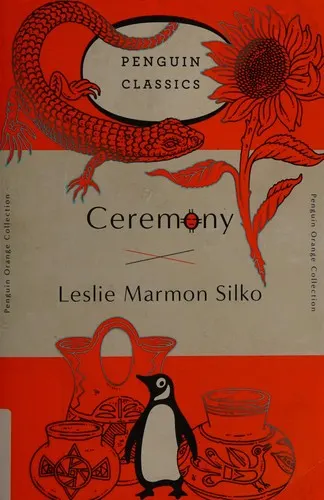
Tayo, a Laguna Pueblo veteran, returns from World War II psychologically shattered and unable to resume his old life. His search for healing unfolds through memory, ceremony, poetry, and communal story rather than conventional chronology.
Like Erdrich, Silko treats Indigenous spiritual knowledge as a living way of understanding history—not picturesque folklore—and refuses easy divisions between realism and the supernatural. Both novels show identity being sustained through stories even as colonial institutions try to rename, classify, or erase people. Silko’s tone is graver and more incantatory, but her intricate joining of personal pain, land, history, and sacred obligation should feel profoundly familiar. Since its 1977 publication, Ceremony has become a foundational work of Native American literature; its formal beauty and moral force justify that stature.
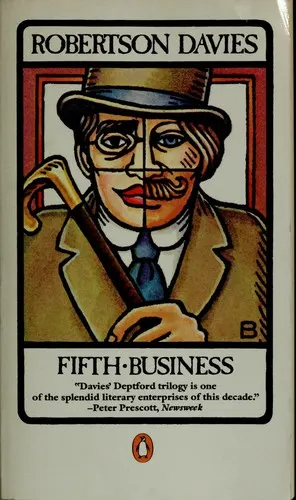
Dunstan Ramsay begins by answering a dismissive account of his retirement, then tells the strange story of a life shaped by one childhood act. His memoir leads toward saints, performers, guilt, imposture, and miracles that may be divine interventions—or simply the meanings human beings cannot live without.
Readers who loved Father Damien’s complicated vocation will recognize Davies’s fascination with lives built around a secret identity and with faith as both genuine longing and elaborate performance. Ramsay, like Damien, is learned, stubborn, comic, and spiritually hungry; his retrospective narration constantly revises the apparent meaning of earlier events. The first volume of Davies’s celebrated Deptford Trilogy, Fifth Business is among the enduring classics of Canadian fiction: witty enough to race through, yet rich enough to leave its theological riddles working on you for years.
Tracks returns to the world around Little No Horse through two competing narrators: the wily, compassionate Nanapush and the fervent, increasingly unsettling Pauline. At the center stands Fleur Pillager, whose power attracts stories that no single witness can verify.
This is not merely another visit to familiar territory. Tracks distills one of the greatest pleasures of The Last Report: Erdrich’s ability to make contradiction itself revelatory. Catholic devotion, Ojibwe spiritual life, desire, hunger, comedy, and historical catastrophe coexist without being resolved into a tidy lesson. Nanapush’s voice alone—mischievous, grieving, politically shrewd, and magnificently alive—is reason to read it. Widely regarded as one of Erdrich’s essential early novels, Tracks deepens the histories and relationships behind Little No Horse while remaining a fierce, perfectly shaped work in its own right.