Author
Books like Jane Austen
12 books we recommend to Jane Austen readers, drawn from Pride and Prejudice, Sense and Sensibility, Emma, Persuasion, Mansfield Park and Northanger Abbey — each with the reason why.
If you loved Pride and Prejudice
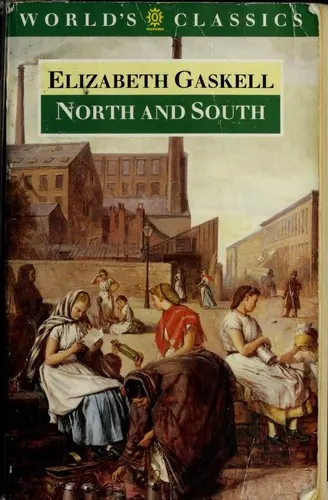
Margaret Hale and mill owner John Thornton meet as moral and intellectual adversaries, and their attraction develops through argument, wounded pride, and repeated revisions of judgment. Like Elizabeth and Darcy, they must learn that intelligence is no protection against being confidently wrong.
Gaskell enlarges the social world around the romance: labor, wealth, responsibility, and class are not scenery but part of what the lovers must understand about one another. The result is one of Victorian fiction’s most fiercely beloved courtships—charged with conflict, yet grounded in the Austen-like conviction that love should improve perception.
Forster shares Austen’s gift for making social comedy carry serious moral force. Lucy Honeychurch is surrounded by people who turn manners, taste, and propriety into instruments of control; the novel’s delicious comedy comes from watching their pretensions exposed by a narrator who misses nothing.
Brief, buoyant, and beautifully constructed, it asks an Austen-worthy question: can a young woman distinguish what she genuinely wants from what she has been taught to admire? Its romance matters because it is inseparable from Lucy’s awakening intelligence. Few novels make liberation feel so funny, embarrassing, and exhilarating.
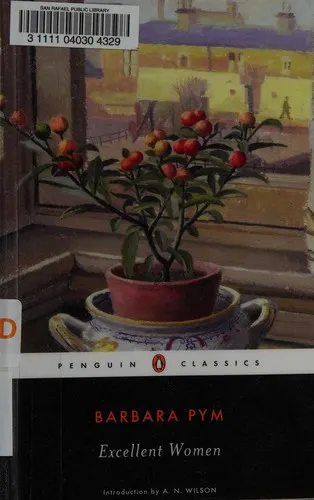
If Austen’s sly narration and microscopic observation of social behavior mattered more to you than the period costumes, read Barbara Pym. Mildred Lathbury, an unmarried woman in postwar London, is perpetually expected to organize jumble sales, soothe egos, and absorb other people’s crises. Her dry, exact account of these demands is wonderfully funny precisely because she sees so much and says so little.
Pym became a cult favorite among readers who recognized how much comedy and heartbreak she could fit into tea, church functions, and seemingly trivial remarks. Excellent Women offers the rare pleasure of an underestimated heroine whose quiet intelligence gradually reveals everyone else’s absurdity—including her own.
If you loved Sense and Sensibility
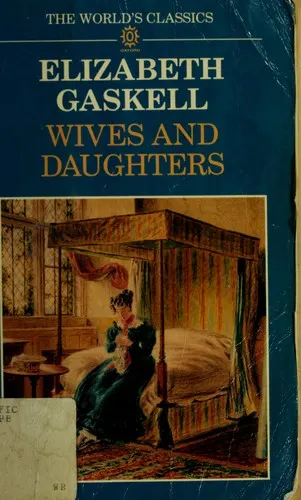
Gaskell’s nearly completed final novel is often regarded as her masterpiece, and it offers Austen readers an unusually rich pleasure: watching courtship reveal character. Sensible, observant Molly Gibson and dazzling, impulsive Cynthia Kirkpatrick recall Elinor and Marianne without duplicating them; Gaskell gives both women desires, blind spots, and moral complexity.
The comedy is affectionate but exact, especially about meddling parents, provincial status, and the stories people invent from scraps of evidence. Like Austen, Gaskell makes quiet integrity more compelling than theatrical emotion—and makes us ache for it to be recognized.
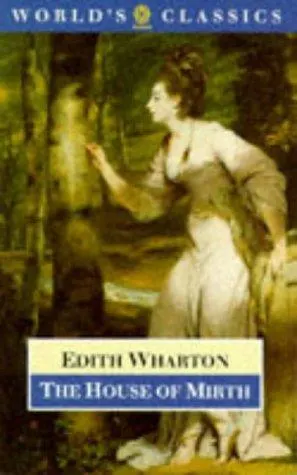
Wharton takes the financial pressure surrounding the Dashwood women and removes Austen’s protective layer of comedy. Lily Bart is beautiful, intelligent, and trained for a wealthy marriage, but she cannot quite surrender either her conscience or her longing for freedom to secure one.
Every invitation, dress, debt, and hesitation carries social weight. Wharton’s brilliance lies in showing that Lily’s apparent indecision is also moral resistance: she understands the game too well to play it innocently and values herself too much to play it ruthlessly. The novel that established Wharton as a major American writer is darker than Sense and Sensibility, but it possesses the same piercing insight into the price women pay when love and economic survival become inseparable.
If you loved Emma
Dorothea Brooke resembles Emma less in temperament than in the fascinating distance between her noble self-conception and her incomplete understanding of other people. Eliot treats that distance with an Austen-like blend of irony and generosity: mistakes can be comic, consequential, and morally revealing all at once.
Like Highbury, Middlemarch is a social web in which courtship, money, status, gossip, and good intentions tug constantly upon one another. Eliot’s narrator moves through it with astonishing intelligence, exposing vanity without denying anyone dignity. Its reputation as one of the greatest English novels can make it sound like homework; in practice, it is absorbing, funny, intimate, and crowded with characters who become uncannily real. Anyone who loves Emma for the enlargement of heart beneath its comedy should not miss it.
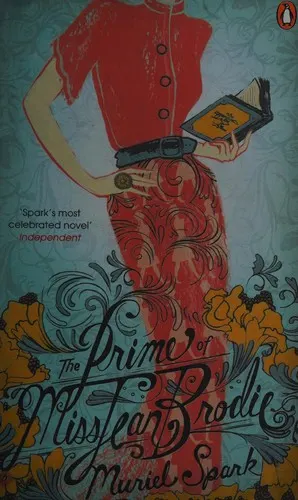
Jean Brodie selects six schoolgirls as her special set and announces that she is in her prime. Like Emma, she possesses charm, taste, confidence, and an irresistible urge to arrange other lives—but Spark asks, with much sharper menace, what happens when influence becomes possession.
This is a compact novel of dazzling control. Spark’s cool, time-shifting narration makes every boast and classroom pronouncement carry hidden weight, while Brodie remains both ridiculous and magnificently alive. The book became Spark’s defining classic because it achieves so much without wasting a sentence: social comedy, psychological portraiture, and an unnerving examination of charisma. Readers who relish Austen’s ability to make self-deception entertaining until it suddenly matters will find Spark impossible to shake.
If you loved Persuasion
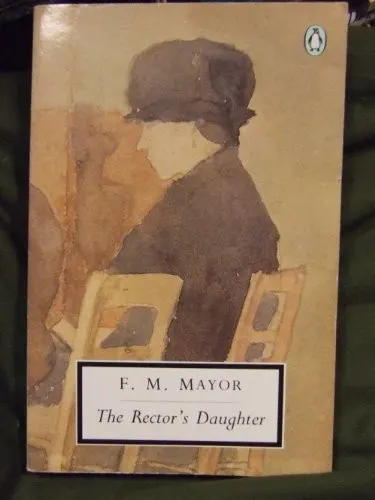
Mary Jocelyn, the capable, overlooked daughter of an aging clergyman, will feel immediately recognizable to anyone who loves Anne Elliot. She is indispensable to others and almost invisible to them; Mayor makes the smallest courtesies, evasions, and changes of tone carry the weight of declarations.
Published in 1924 and later reclaimed as a modern classic, this is a more severe cousin to Austen’s novel: intimate, lucid, and devastatingly alert to the cost of letting convention speak louder than feeling. Its understanding of unshowy women is so exact that Mary does not merely invite sympathy—she alters your sense of whose inner lives fiction ought to honor.
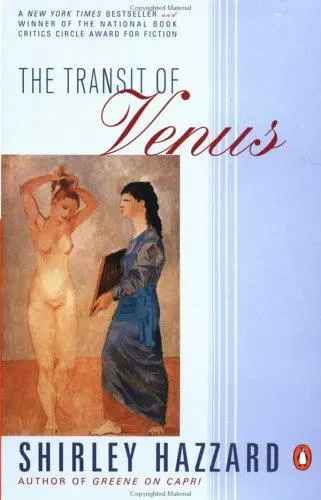
For the reader who responds most strongly to Persuasion’s long memory of love, The Transit of Venus is essential. Hazzard follows two orphaned Australian sisters into a sophisticated English world whose manners conceal appetite, vanity, and danger. Her characters are constantly judging and misjudging one another, while consequential feelings pass beneath polished conversation.
Winner of the National Book Critics Circle Award, the novel has acquired devoted readers for its astonishingly compressed prose and intricate emotional design. Hazzard is darker and more cosmopolitan than Austen, but she shares Austen’s conviction that character reveals itself through attention: who truly sees another person, who merely appraises them, and who understands too late. Few novels make the passage of time—or the survival of feeling within it—seem so fateful.
If you loved Mansfield Park
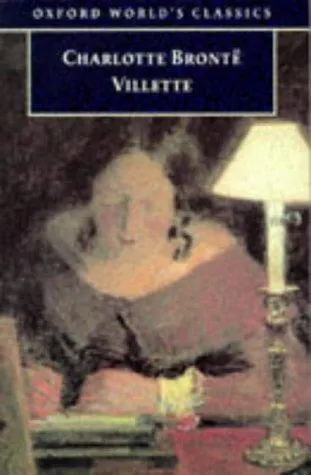
If you loved Fanny because her apparent passivity conceals strenuous judgment and feeling, meet Lucy Snowe. Poor, solitary, and obliged to earn her place at a girls’ school abroad, Lucy watches before she speaks. But Brontë makes watching dangerous: Lucy withholds from the reader, mistrusts spectacle, and experiences desire with an intensity that the decorous social world cannot contain.
Villette turns concerns central to Mansfield Park—dependence, performance, self-command, and the moral ambiguity of charm—into psychological drama. Its schoolrooms and drawing rooms can suddenly flare into Gothic strangeness or savage comedy. Frequently judged Brontë’s masterpiece, it demands more interpretive work than Jane Eyre and inspires even deeper devotion. Lucy is not a softened copy of Fanny; she is what the marginalized observer becomes when given control of the story.
If you loved Northanger Abbey
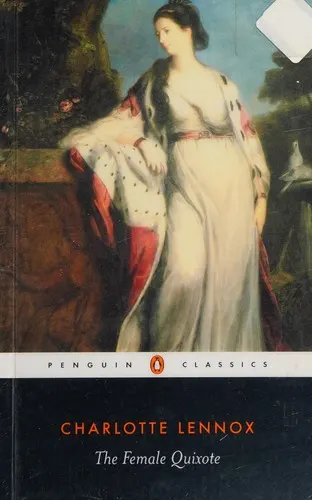
Arabella has absorbed so many heroic romances that she interprets ordinary courtship as a pageant of abductions, disguises, and declarations. Lennox makes the collision between her magnificent expectations and mundane reality wonderfully funny, while granting her a dignity that prevents the joke from turning cruel. Like Catherine Morland, Arabella is not foolish because she reads, but because she has not yet learned how to read life alongside books.
Published in 1752, The Female Quixote was admired by leading eighteenth-century novelists and became an important ancestor of Austen’s fiction. Its influence is real, but so is its independent charm: Arabella’s serene command of an imaginary world makes her one of the period’s great comic heroines. Anyone who loves Austen’s mingling of parody, female education, and genuine tenderness should meet the woman who helped make Catherine possible.
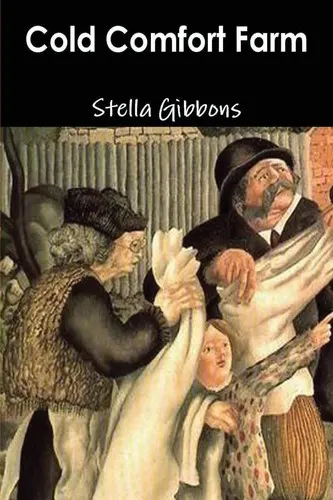
Flora Poste, newly orphaned and equipped with formidable common sense, goes to live with relatives on a farm dominated by doom, passion, rural grotesquerie, and something nasty in the woodshed. She responds to this operatic gloom not with terror but with brisk plans, modern conveniences, and an unshakable belief that everyone could behave more sensibly.
Gibbons does for overwrought pastoral fiction what Austen does for Gothic romance: she punctures its solemn conventions while preserving the illicit pleasure of them. The prose is quotable, the caricatures exuberant, and Flora’s composure makes her an irresistible comic force. Winner of the Prix Femina–Vie Heureuse and now an enduring British comic classic, Cold Comfort Farm is the rare parody that has outlived most of what it parodied.