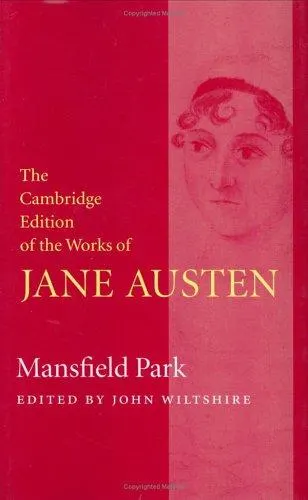
Books like Mansfield Park
Where Wives and Daughters opens domestic life into a generous social panorama, Villette compresses a dependent woman’s watchfulness into something fierce and inward. The Rector’s Daughter is quieter still: a devastating study of how integrity survives within a life others barely notice.
If you liked Mansfield Park, you’ll love these
Not lookalikes — kindred books. Each one shares something essential with Mansfield Park, and we tell you exactly what.
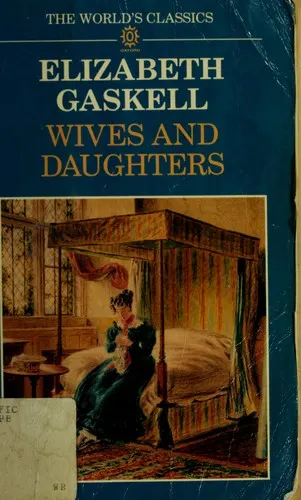
Molly Gibson shares Fanny Price’s gift for seeing clearly while more dazzling people command the room. When her widowed father remarries, Molly acquires a socially ambitious stepmother and Cynthia, a captivating stepsister whose charm unsettles every relationship around her. Like Austen, Gaskell refuses to divide them neatly into virtuous and wicked camps: vanity can coexist with kindness, and good intentions can become coercive.
Gaskell’s final novel, often considered her finest, makes courtship, gossip, scientific ambition, money, and family loyalty parts of one intricate moral world. Its comedy is warmer than Mansfield Park’s, but its deepest pleasure is similar: watching steadfast intelligence gradually prove more valuable than brilliance or display. Gaskell died just before completing it, yet the intended conclusion survives—and the novel feels abundant rather than fragmentary.
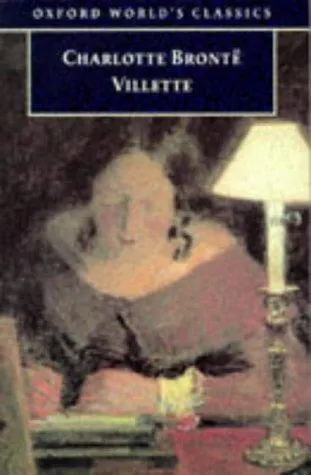
If you loved Fanny because her apparent passivity conceals strenuous judgment and feeling, meet Lucy Snowe. Poor, solitary, and obliged to earn her place at a girls’ school abroad, Lucy watches before she speaks. But Brontë makes watching dangerous: Lucy withholds from the reader, mistrusts spectacle, and experiences desire with an intensity that the decorous social world cannot contain.
Villette turns concerns central to Mansfield Park—dependence, performance, self-command, and the moral ambiguity of charm—into psychological drama. Its schoolrooms and drawing rooms can suddenly flare into Gothic strangeness or savage comedy. Frequently judged Brontë’s masterpiece, it demands more interpretive work than Jane Eyre and inspires even deeper devotion. Lucy is not a softened copy of Fanny; she is what the marginalized observer becomes when given control of the story.
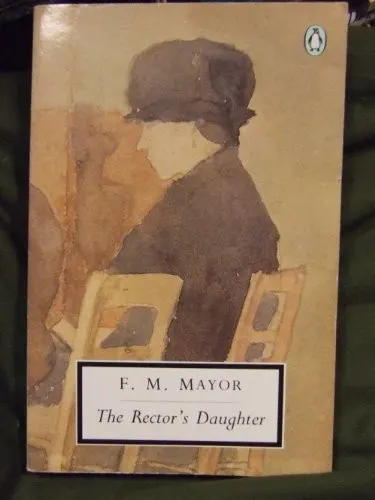
Mary Jocelyn lives in a small English parish, caring for an austere elderly father and performing the innumerable duties by which an unmarried woman’s life can disappear from public notice. Mayor understands, as Austen does, that endurance is not meek simplicity. Mary’s restraint contains pride, hunger, moral courage, and a painfully exact awareness of what others take for granted.
The novel has little of Austen’s sparkle on the surface; its power comes from accumulated gestures, silences, and missed recognitions. Yet a reader who believes Mansfield Park’s quiet heroine is its great achievement may find this even more piercing. Winner of the 1925 Prix Femina–Vie Heureuse and repeatedly reclaimed as a neglected classic, The Rector’s Daughter gives an outwardly uneventful life the gravity of tragedy. Missing it means missing one of the twentieth century’s most searching portraits of unacknowledged feeling.