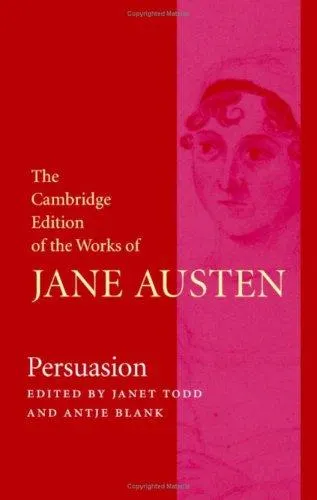
Books like Persuasion
Persuasion keeps its hold because its quietness conceals such force: regret deepens rather than extinguishes love, good judgment matters more than charm, and a life others undervalue can still contain immense feeling. These novels offer that same rare combination of emotional restraint, social intelligence, and piercing hope.
If you liked Persuasion, you’ll love these
Not lookalikes — kindred books. Each one shares something essential with Persuasion, and we tell you exactly what.
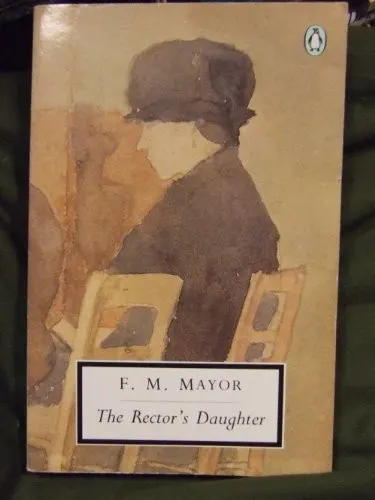
Mary Jocelyn, the capable, overlooked daughter of an aging clergyman, will feel immediately recognizable to anyone who loves Anne Elliot. She is indispensable to others and almost invisible to them; Mayor makes the smallest courtesies, evasions, and changes of tone carry the weight of declarations.
Published in 1924 and later reclaimed as a modern classic, this is a more severe cousin to Austen’s novel: intimate, lucid, and devastatingly alert to the cost of letting convention speak louder than feeling. Its understanding of unshowy women is so exact that Mary does not merely invite sympathy—she alters your sense of whose inner lives fiction ought to honor.

Mildred Lathbury is the sort of woman everyone trusts with church jumble sales, cups of tea, and other people’s complications. Like Anne Elliot, she observes far more than those around her suspect. Pym’s comedy comes from Mildred’s dry, beautifully controlled account of a world that assumes a useful unmarried woman cannot possibly be the heroine of anything.
Philip Larkin helped revive Pym’s reputation by naming her among the century’s most underrated writers, and this beloved novel shows why. It has Austen’s pleasure in social absurdity but also Persuasion’s deeper question: what happens when a woman stops accepting everyone else’s estimate of her importance? Mildred’s voice is so companionable and sharp that finishing the book feels like losing a particularly perceptive friend.
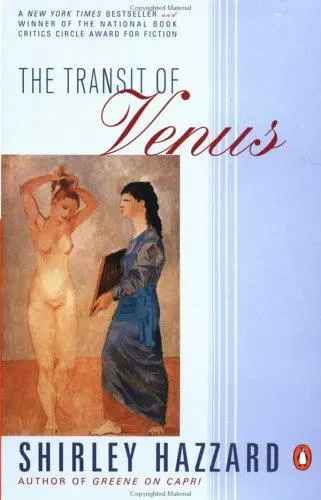
For the reader who responds most strongly to Persuasion’s long memory of love, The Transit of Venus is essential. Hazzard follows two orphaned Australian sisters into a sophisticated English world whose manners conceal appetite, vanity, and danger. Her characters are constantly judging and misjudging one another, while consequential feelings pass beneath polished conversation.
Winner of the National Book Critics Circle Award, the novel has acquired devoted readers for its astonishingly compressed prose and intricate emotional design. Hazzard is darker and more cosmopolitan than Austen, but she shares Austen’s conviction that character reveals itself through attention: who truly sees another person, who merely appraises them, and who understands too late. Few novels make the passage of time—or the survival of feeling within it—seem so fateful.