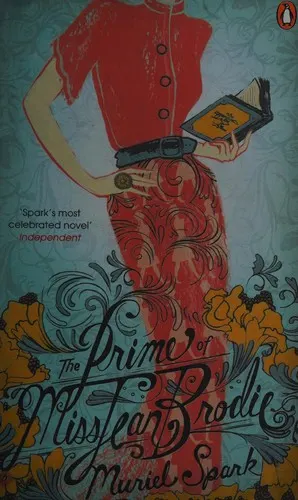
Books like The Prime of Miss Jean Brodie
Dangerous charisma. Muriel Spark’s masterpiece makes influence feel intoxicating, comic, and morally treacherous, while its darting chronology quietly exposes the gulf between how people imagine themselves and what they actually do. These three novels offer similarly concentrated pleasures: ruthless wit, contests of personality, and prose that never wastes a move.
If you liked The Prime of Miss Jean Brodie, you’ll love these
Not lookalikes — kindred books. Each one shares something essential with The Prime of Miss Jean Brodie, and we tell you exactly what.
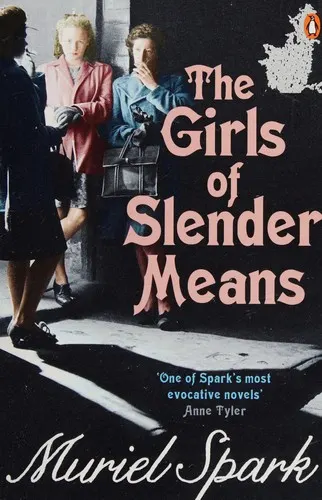
The natural next Spark: a short, glittering novel in which comedy and catastrophe occupy the same cramped rooms. Its residents are young women sharing a London club just after the war, trading clothes, rationing food, pursuing men, and cultivating elaborate ideas about who they are.
As in The Prime of Miss Jean Brodie, Spark writes about a group without blurring its members into a crowd. She moves among their vanities and loyalties with astonishing speed, and her cool glimpses forward in time turn apparently casual details into moral evidence. The famous image of the girls squeezing through a narrow window is at once farce, social observation, and judgment. Many Spark devotees rank this among her finest novels; missing it would mean missing one of the purest demonstrations of her peculiar genius for making laughter catch in the throat.
Freddie Wentworth runs a shabby London school for child actors through force of personality, selective attention, and an almost mystical refusal to acknowledge practical reality. Anyone fascinated by Jean Brodie’s ability to make an institution revolve around her private mythology will recognize Freddie’s magnetism—but Fitzgerald never merely reproduces Spark’s effects.
The comedy here is warmer and more theatrical, crowded with precocious children, compromised adults, and the backstage absurdities of the acting world. Yet beneath it lies a sharp question: when does devotion to talent become indifference to people? Fitzgerald, one of Britain’s most revered late-twentieth-century novelists, writes with deceptive lightness; a sentence that looks tossed off can disclose an entire life. At Freddie’s is among her most irresistible books, funny enough to race through and exact enough to haunt you afterward.
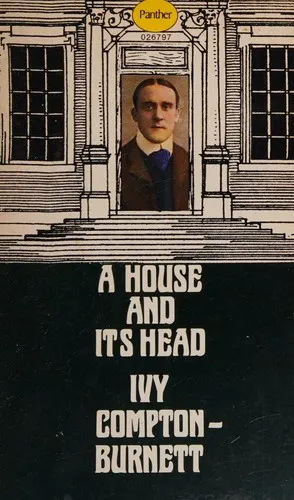
For the reader who most loved Brodie’s verbal combat and pitiless understanding of power, this is the bracing choice. Duncan Edgeworth presides over his household with the serene certainty that his authority is natural and benevolent. Around him, family conversation becomes warfare conducted in exquisitely grammatical sentences.
Compton-Burnett strips away scenery and explanation until almost everything happens through dialogue: evasions, rebellions, humiliations, and sudden reversals of control. The result is darker and stranger than ordinary domestic realism, and often savagely funny. Her austere style has inspired intense devotion among novelists and critics because no one else makes tyranny sound so civilized—or exposes civilization’s concealed violence so precisely. Once your ear adjusts to its icy music, A House and Its Head becomes difficult to put down and impossible to confuse with any other novel.