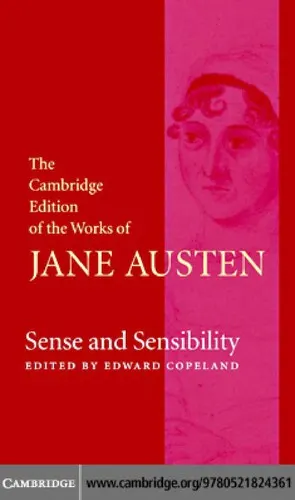
Books like Sense and Sensibility
When Norland passes to John Dashwood, a deathbed promise of generosity begins shrinking under Fanny’s cool arithmetic. These novels share Austen’s understanding that money, manners, and self-command are never merely practical matters.
If you liked Sense and Sensibility, you’ll love these
Not lookalikes — kindred books. Each one shares something essential with Sense and Sensibility, and we tell you exactly what.
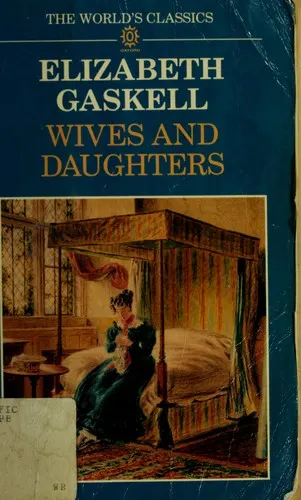
Gaskell’s nearly completed final novel is often regarded as her masterpiece, and it offers Austen readers an unusually rich pleasure: watching courtship reveal character. Sensible, observant Molly Gibson and dazzling, impulsive Cynthia Kirkpatrick recall Elinor and Marianne without duplicating them; Gaskell gives both women desires, blind spots, and moral complexity.
The comedy is affectionate but exact, especially about meddling parents, provincial status, and the stories people invent from scraps of evidence. Like Austen, Gaskell makes quiet integrity more compelling than theatrical emotion—and makes us ache for it to be recognized.
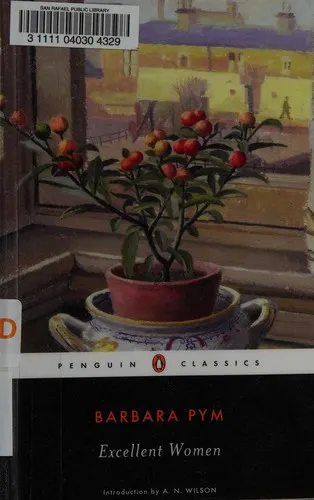
Mildred Lathbury is the sort of capable, self-effacing woman everyone relies upon and almost no one fully sees. Her dry account of new neighbors, church affairs, and other people’s romantic disorder turns apparent smallness into exquisite comedy.
A lover of Elinor Dashwood will recognize the tension between an orderly exterior and an intensely alert inner life. Yet Pym’s wit is distinctly twentieth-century: rueful, sly, and fascinated by how usefulness can become a trap. Once neglected and later triumphantly rediscovered, this is now Pym’s best-loved novel—a book whose devoted readers quote its observations as if sharing private jokes.
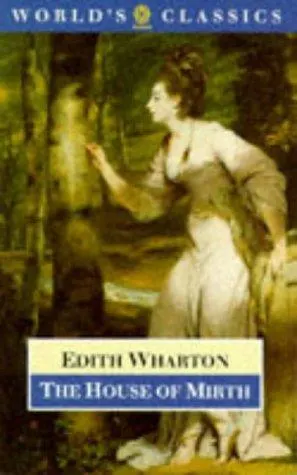
Wharton takes the financial pressure surrounding the Dashwood women and removes Austen’s protective layer of comedy. Lily Bart is beautiful, intelligent, and trained for a wealthy marriage, but she cannot quite surrender either her conscience or her longing for freedom to secure one.
Every invitation, dress, debt, and hesitation carries social weight. Wharton’s brilliance lies in showing that Lily’s apparent indecision is also moral resistance: she understands the game too well to play it innocently and values herself too much to play it ruthlessly. The novel that established Wharton as a major American writer is darker than Sense and Sensibility, but it possesses the same piercing insight into the price women pay when love and economic survival become inseparable.