Author
Books like Irvine Welsh
10 books we recommend to Irvine Welsh readers, drawn from Porno, Trainspotting, Filth and Glue — each with the reason why.
If you loved Porno
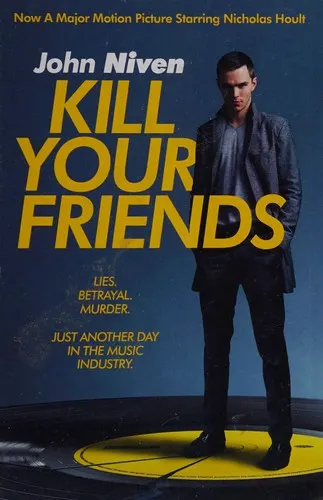
Steven Stelfox, a record-company executive in 1997 London, is Sick Boy’s corporate cousin: vain, predatory, chemically fortified and horribly persuasive. Niven lets his narrator dissect colleagues and artists with such venomous precision that disgust keeps turning into guilty laughter.
The kinship lies deeper than bad behaviour. Like Porno, this is a comedy about desire becoming commerce: sex, music, friendship and identity are valuable only while somebody can sell them. Niven worked in the record industry, and that firsthand knowledge gives the grotesquerie a convincing bureaucratic texture. Now a cult satire of the Britpop business, Kill Your Friends offers the intoxicating pleasure of being trapped inside the mind of a man who mistakes appetite for intelligence.
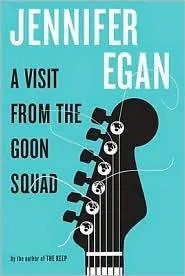
Egan follows a loose network of musicians, executives, assistants and damaged friends, changing viewpoint and form as their lives collide and diverge. The book shares Porno’s fascination with reinvention: everyone is editing the story of who they were, usually while somebody else remembers the less flattering version.
Its tone is less savage, but its structure supplies a comparable ensemble charge. Minor figures seize whole chapters; a compromised person in one voice becomes unexpectedly moving in another. Even the famous PowerPoint chapter earns its formal gamble through emotional exactness. Winner of both the Pulitzer Prize and the National Book Critics Circle Award, this is that rare decorated novel whose experimentation makes its characters more immediate, not less. It finds the ache hidden inside the hustle.
If you loved Trainspotting
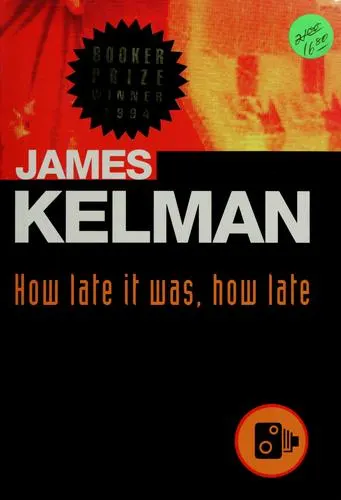
Sammy wakes after a drinking binge, collides with the police and finds that he can no longer see. From there, Kelman renders every thought, curse and stubborn improvisation in uncompromising Glaswegian demotic. As in Trainspotting, vernacular is not decoration: it determines the novel’s rhythm, politics and sense of reality.
Sammy is abrasive, funny and resourceful, while the welfare and medical bureaucracies around him become a quietly surreal machinery of humiliation. The novel’s profanity scandalised some judges when it won the 1994 Booker Prize, but its real audacity lies in granting a disregarded man complete authority over the page. If Welsh’s voices changed what you thought literary prose could sound like, Kelman’s masterpiece is indispensable.
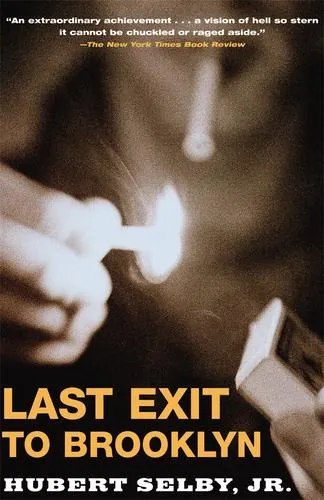
Selby’s Brooklyn is delivered as a barrage: crowded bars, street fights, sexual desperation, factory resentment and moments of startling tenderness. Moving among several damaged lives, the novel achieves the same volatile ensemble effect as Trainspotting—characters can be cruel, ridiculous and heartbreakingly exposed within a few lines.
Its compressed punctuation and breathless sentences make the prose feel spoken under pressure. Published in 1964, it became notorious, faced an obscenity prosecution in Britain and went on to exert enormous influence on transgressive urban fiction. Yet it endures not because it shocks, but because Selby refuses either sentimental rescue or superior judgment. Few novels make degradation feel so immediate—or compassion so hard-won.
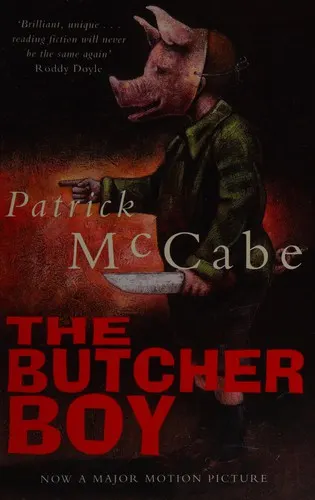
Francie Brady narrates his small-town childhood in a tumbling, punctuation-light monologue full of jokes, fantasies, grudges and borrowed voices. He is captivating company from the first page: inventive, insolent and capable of turning humiliation into private theatre. Like Welsh, McCabe understands that black comedy is not relief from pain but one of the forms pain takes.
The brilliance lies in the widening gap between Francie’s buoyant account and what the reader begins to perceive around him. Social respectability, family damage and communal cruelty are exposed without the novel ever abandoning its protagonist’s unruly idiom. Booker-shortlisted and now regarded as a modern Irish classic, The Butcher Boy offers that rare Trainspotting mixture: linguistic exhilaration, appalling laughter and a tenderness the book would never admit to possessing.
If you loved Filth
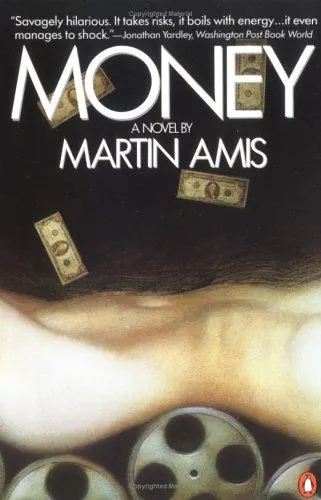
John Self is a magnificent engine of appetite: booze, pornography, fast food, spending and self-disgust pour through his narration in obscenely inventive prose. The pleasure lies not simply in watching an appalling man misbehave, but in hearing language itself become bloated, feverish and hilariously contaminated by his desires.
Widely considered Amis’s defining novel, Money also plays audacious games with authorship and control, making the reader wonder who is exploiting whom. It offers the same exhilarating collision of verbal swagger, grotesque comedy and spiritual rot that powers Filth—but on a scale so exuberant that skipping it would mean missing one of fiction’s great bad-company narrators.
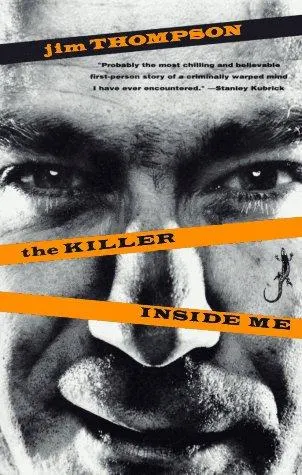
Deputy sheriff Lou Ford presents himself as a slow, harmless provincial, but his first-person account soon develops hairline cracks. Thompson’s achievement is the dreadful calm of that voice: bland jokes, rationalizations and flashes of contempt gradually make the reader an unwilling confidant.
This 1952 noir landmark became one of the central books in Thompson’s posthumous rise from neglected paperback writer to cult master. Unlike more theatrical portraits of evil, it refuses comforting distance; Lou’s mind feels persuasive sentence by sentence, even when the whole is monstrous. A reader who admired Filth for weaponizing intimacy rather than merely depicting depravity should not miss it.
If you loved Glue
Azzy Williams grows up inside North Lanarkshire gang culture, where territory, pills, music and violence give young men a ready-made identity. Armstrong writes in a vivid Scots vernacular that does more than authenticate speech: it captures the speed of bravado, the comedy of insults and everything the characters cannot admit aloud.
Like Glue, this is ultimately about the intoxication and cost of male belonging. Armstrong writes from lived knowledge without romanticising or condescending, and the resulting novel won both the Betty Trask and Somerset Maugham awards. It is one of the rare successors to Welsh that has its own voice, its own pulse and its own claim on the reader.
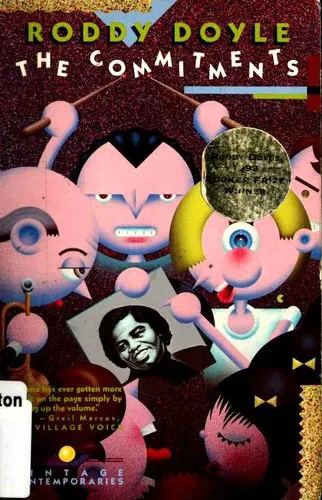
Jimmy Rabbitte decides that working-class Dublin needs soul music and assembles a band from the neighbourhood. What follows has the volatile energy of people discovering that they can briefly become larger, louder and more glamorous than the lives allotted to them.
Doyle’s dialogue is the attraction: rapid, profane, competitive and brilliantly funny. As in Glue, mockery is often affection in disguise, while every joke also tests the group’s hierarchy. This compact debut launched Doyle’s beloved Barrytown trilogy and inspired the enduring film, but the novel remains the sharpest version—an almost audible performance of communal hope, ego and friendship.
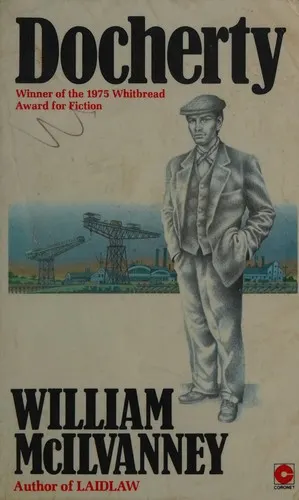
At the centre of McIlvanney’s Whitbread-winning novel is Tam Docherty, a miner whose pride, physical courage and fierce sense of justice shape his family. McIlvanney follows working-class life across years, giving domestic rituals and private disappointments the gravity usually reserved for kings and wars.
A reader who loved Glue’s long view of character will recognise the same concern with what time does to loyalty, masculinity and dreams. Yet McIlvanney’s prose has a different power: grave, lyrical and compassionate without ever becoming sentimental. He is one of the essential forebears of modern Scottish fiction, and Docherty shows why—few novels make battered, compromised lives feel so fully worthy of tragedy and love.