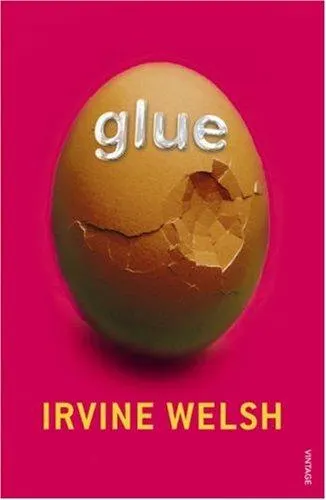
Books like Glue
Bruised loyalty, filthy laughter, hard-won tenderness and the dangerous exhilaration of belonging: these books understand that friendship can be both refuge and trap.
If you liked Glue, you’ll love these
Not lookalikes — kindred books. Each one shares something essential with Glue, and we tell you exactly what.
Azzy Williams grows up inside North Lanarkshire gang culture, where territory, pills, music and violence give young men a ready-made identity. Armstrong writes in a vivid Scots vernacular that does more than authenticate speech: it captures the speed of bravado, the comedy of insults and everything the characters cannot admit aloud.
Like Glue, this is ultimately about the intoxication and cost of male belonging. Armstrong writes from lived knowledge without romanticising or condescending, and the resulting novel won both the Betty Trask and Somerset Maugham awards. It is one of the rare successors to Welsh that has its own voice, its own pulse and its own claim on the reader.
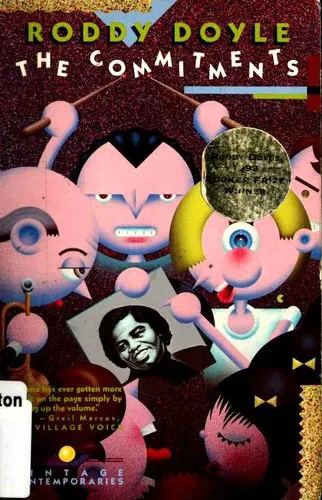
Jimmy Rabbitte decides that working-class Dublin needs soul music and assembles a band from the neighbourhood. What follows has the volatile energy of people discovering that they can briefly become larger, louder and more glamorous than the lives allotted to them.
Doyle’s dialogue is the attraction: rapid, profane, competitive and brilliantly funny. As in Glue, mockery is often affection in disguise, while every joke also tests the group’s hierarchy. This compact debut launched Doyle’s beloved Barrytown trilogy and inspired the enduring film, but the novel remains the sharpest version—an almost audible performance of communal hope, ego and friendship.
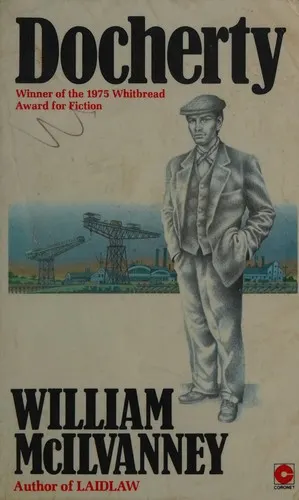
At the centre of McIlvanney’s Whitbread-winning novel is Tam Docherty, a miner whose pride, physical courage and fierce sense of justice shape his family. McIlvanney follows working-class life across years, giving domestic rituals and private disappointments the gravity usually reserved for kings and wars.
A reader who loved Glue’s long view of character will recognise the same concern with what time does to loyalty, masculinity and dreams. Yet McIlvanney’s prose has a different power: grave, lyrical and compassionate without ever becoming sentimental. He is one of the essential forebears of modern Scottish fiction, and Docherty shows why—few novels make battered, compromised lives feel so fully worthy of tragedy and love.