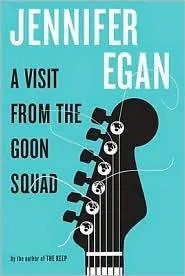
Books like A Visit from the Goon Squad
The floor keeps shifting beneath you: a bitingly funny encounter becomes a private heartbreak, a minor character suddenly owns the stage, and a formal stunt turns out to carry devastating emotional weight. These novels offer that same exhilaration—the sense that scattered lives, changing media, and time’s thefts are assembling into something larger.
If you liked A Visit from the Goon Squad, you’ll love these
Not lookalikes — kindred books. Each one shares something essential with A Visit from the Goon Squad, and we tell you exactly what.
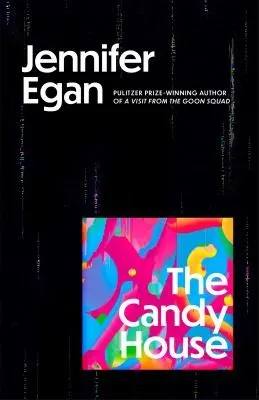
Egan’s companion novel is not a dutiful return visit but another audacious rearrangement of the furniture. Familiar figures reappear at unexpected angles, while a technology that externalizes memory lets Egan press harder on questions already haunting Goon Squad: Who owns a life once it becomes data? What happens when connection eliminates privacy, mystery, and forgetting?
Its chapters mutate through messages, dossiers, instructions, and sharply differentiated voices, yet the experimentation never becomes sterile. Beneath every ingenious format is someone longing to be known without being captured. It expands Goon Squad so dramatically that skipping it means leaving Egan’s most provocative ideas—and several of her characters’ most moving echoes—unheard.
A man fleeing the aftermath of a Tokyo atrocity hands the narrative to someone else—and then the novel keeps moving, crossing borders, consciousnesses, and literary modes. Each voice initially seems to inhabit a separate story; gradually, stray names, consequences, and objects begin to conduct electricity between them.
Mitchell’s acclaimed debut has the same rare confidence as Goon Squad: it trusts readers to enjoy disorientation and then rewards their attention with patterns rather than tidy explanations. The real kinship lies in how both books make peripheral people suddenly central and turn coincidence into an emotional theory of human connection. Ghostwritten offers the addictive pleasure of realizing that the novel has been building a hidden architecture around you.
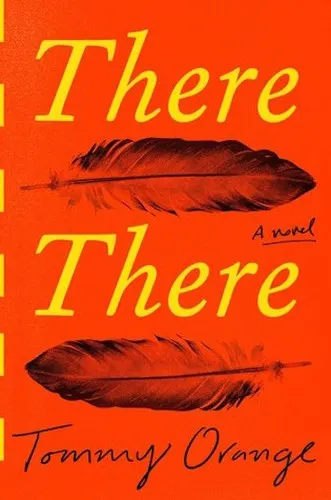
Orange introduces twelve vividly distinct people drawn toward Oakland’s Big Powwow, giving each a voice too particular to be mistaken for anyone else’s. Some are searching for family, some for money or recognition, and some for a usable understanding of what it means to be Native in an urban America that prefers simpler stories.
Like Egan, Orange builds momentum by cutting among lives rather than settling into one protagonist’s orbit. The accumulating perspectives create both intimacy and dread: every new character alters the meaning of those already encountered. A Pulitzer finalist and winner of the PEN/Hemingway Award, There There earned its reputation through this combination of polyphonic daring and fierce emotional immediacy. Its closing movement makes the whole crowded structure feel inevitable—and leaves its voices reverberating long afterward.