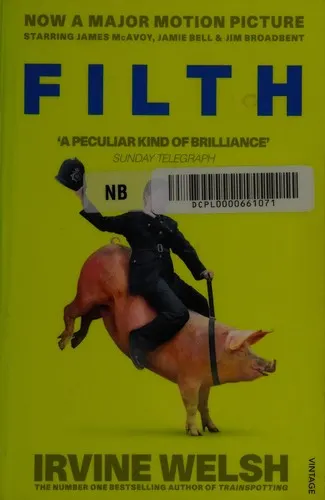
Books like Filth
Filth’s nastiest trick is its intimacy: Welsh makes Bruce Robertson’s jokes land inside your head, then turns disgust into an unwilling flicker of pity without ever laundering his cruelty.
If you liked Filth, you’ll love these
Not lookalikes — kindred books. Each one shares something essential with Filth, and we tell you exactly what.
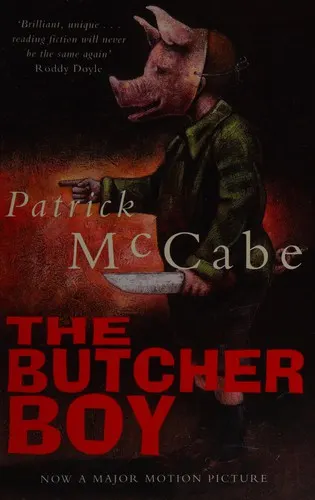
Francie Brady narrates his collapsing world in a breathless comic monologue, converting domestic misery, humiliation and rage into manic entertainment. As with Bruce, the voice is both the attraction and the trap: its jokes pull you closer even as its evasions reveal how badly its owner is coming apart.
Shortlisted for the Booker Prize and now regarded as a modern Irish classic, McCabe’s novel achieves something rare: it is formally daring, horribly funny and genuinely heartbreaking without asking for easy absolution. If Filth left you disturbed by how compassion can survive contempt, The Butcher Boy is indispensable.
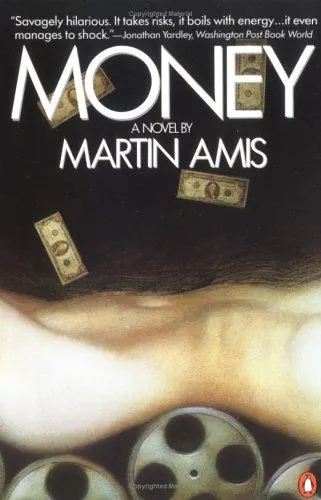
John Self is a magnificent engine of appetite: booze, pornography, fast food, spending and self-disgust pour through his narration in obscenely inventive prose. The pleasure lies not simply in watching an appalling man misbehave, but in hearing language itself become bloated, feverish and hilariously contaminated by his desires.
Widely considered Amis’s defining novel, Money also plays audacious games with authorship and control, making the reader wonder who is exploiting whom. It offers the same exhilarating collision of verbal swagger, grotesque comedy and spiritual rot that powers Filth—but on a scale so exuberant that skipping it would mean missing one of fiction’s great bad-company narrators.
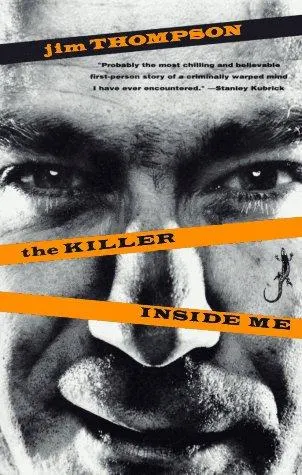
Deputy sheriff Lou Ford presents himself as a slow, harmless provincial, but his first-person account soon develops hairline cracks. Thompson’s achievement is the dreadful calm of that voice: bland jokes, rationalizations and flashes of contempt gradually make the reader an unwilling confidant.
This 1952 noir landmark became one of the central books in Thompson’s posthumous rise from neglected paperback writer to cult master. Unlike more theatrical portraits of evil, it refuses comforting distance; Lou’s mind feels persuasive sentence by sentence, even when the whole is monstrous. A reader who admired Filth for weaponizing intimacy rather than merely depicting depravity should not miss it.