Author
Books like George R. R. Martin
3 books we recommend to George R. R. Martin readers, drawn from The Winds of Winter — each with the reason why.
If you loved The Winds of Winter

Parker understands, as Martin does, that power depends less on crowns than on credit, grain, public confidence, and the competence of subordinates. The novel begins by announcing the ruin of Basso, a brilliant republican statesman, then makes the road toward that ruin horribly compelling. Every clever solution creates a fresh vulnerability; every victory enlarges the eventual cost.
This is leaner and more sardonic than Martin, but its statecraft has the same material weight. Wars need financing, charisma cannot repeal arithmetic, and private weaknesses become public catastrophes. One of Parker’s signature standalones, it is political fantasy for readers who want decisions—not destiny—to drive history.
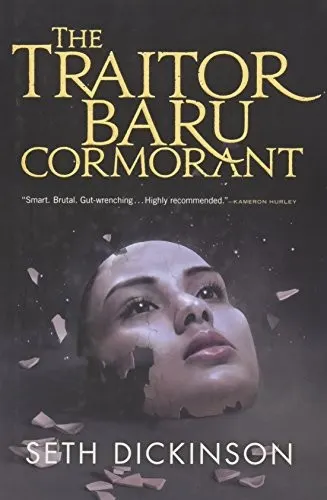
If your favorite Martin chapters are those in which intelligence becomes both weapon and trap, meet Baru. Her homeland is absorbed by the Masquerade not principally through armies, but through trade, schools, laws, and the remaking of social norms. She resolves to master the imperial system from within, beginning a career built on accountancy, strategy, and dangerous self-command.
Dickinson makes fiscal policy suspenseful because every calculation touches real lives. Baru’s gifts open doors while forcing compromises that steadily redefine who she is. The novel has earned a fiercely devoted readership because it treats political brilliance without romanticizing it: strategy can be dazzling, necessary, and morally annihilating at the same time. Few modern fantasies make ambition hurt this much.
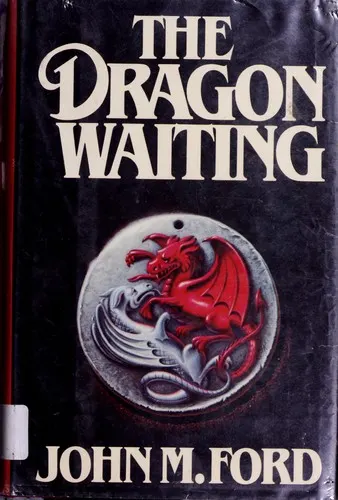
Ford offers the pleasure of entering a world that refuses to pause and explain itself. In his altered fifteenth-century Europe, Byzantium endures, dynasties maneuver, medicine and sorcery overlap, and even vampirism is treated as a condition with political consequences. Separate lives begin moving toward the struggle for England’s throne, but Ford expects the reader to notice connections, test motives, and distrust tidy interpretations.
That density should appeal to anyone who loves Martin’s buried histories, disputed loyalties, and sense that the past is still actively poisoning the present. Winner of the World Fantasy Award, The Dragon Waiting became a cult classic partly because it rewards rereading so extravagantly: an aside can conceal a strategy, and a minor detail can rearrange your understanding pages later. Missing it means missing one of political fantasy’s slyest and most demanding masterpieces.