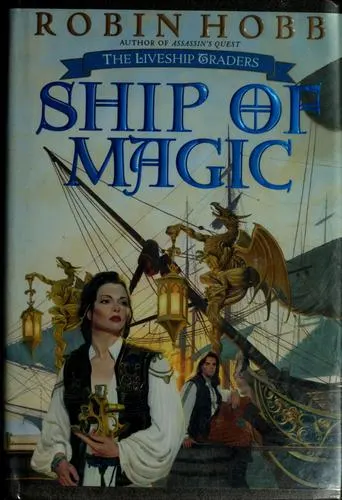
Books like Ship of Magic
You were drawn not just to liveships and sea voyages, but to Hobb’s patient transformation of flawed people, families and loyalties under pressure. These three novels offer that same blend of intimate consequence and expansive fantasy.
If you liked Ship of Magic, you’ll love these
Not lookalikes — kindred books. Each one shares something essential with Ship of Magic, and we tell you exactly what.
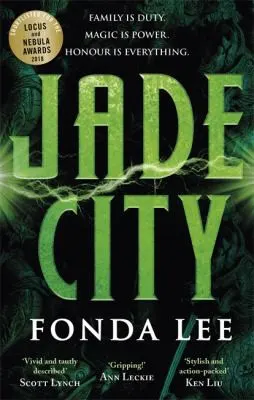
Replace Bingtown’s merchant dynasties with the ruling clans of Kekon and liveship wizardwood with jade, a substance that confers power while binding wealth, identity and politics together. Lee makes family business inseparable from family love: siblings disagree over duty, succession and survival, yet every strategic decision remains painfully personal.
Winner of the World Fantasy Award, Jade City has become a modern benchmark for fantasy family sagas. Its violence is sharp, but its real grip comes from watching capable, imperfect people change—and sometimes misjudge one another—across years. Few series since Hobb have made inheritance feel so much like both a gift and a trap.
Abraham shares Hobb’s faith in slow accumulation: a guarded young banker, a weary mercenary, an insecure nobleman and several political operators begin on separate paths, each making understandable choices whose consequences gradually converge. Commerce matters as much as warfare, and money is treated not as background bookkeeping but as a force capable of remaking nations.
Most importantly, Abraham grants dangerous characters full inner lives without excusing them. The resulting five-volume Dagger and the Coin sequence is admired for the same reason Hobb’s larger sagas are: seemingly modest early encounters become devastating in retrospect. Start here, and you gain an epic that rewards attention rather than merely demanding it.
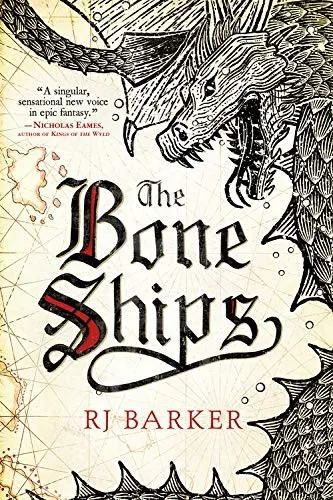
Joron Twiner commands a ship crewed by the condemned until the formidable Lucky Meas takes charge. What follows is not simply a naval adventure but the difficult creation of a community: discipline must become trust, disgraced people must discover what they can still be, and traditions built on exploitation begin to look less inevitable.
Barker’s ships are constructed from the bones of immense sea dragons, giving every voyage an ecological and moral cost. His oceanic world is gloriously strange, his prose salt-stained and muscular, and his characters earn their growth through failure. The concluding volume won the British Fantasy Award, confirming what the trilogy’s devoted readers already knew: this is one of modern fantasy’s great sustained voyages.